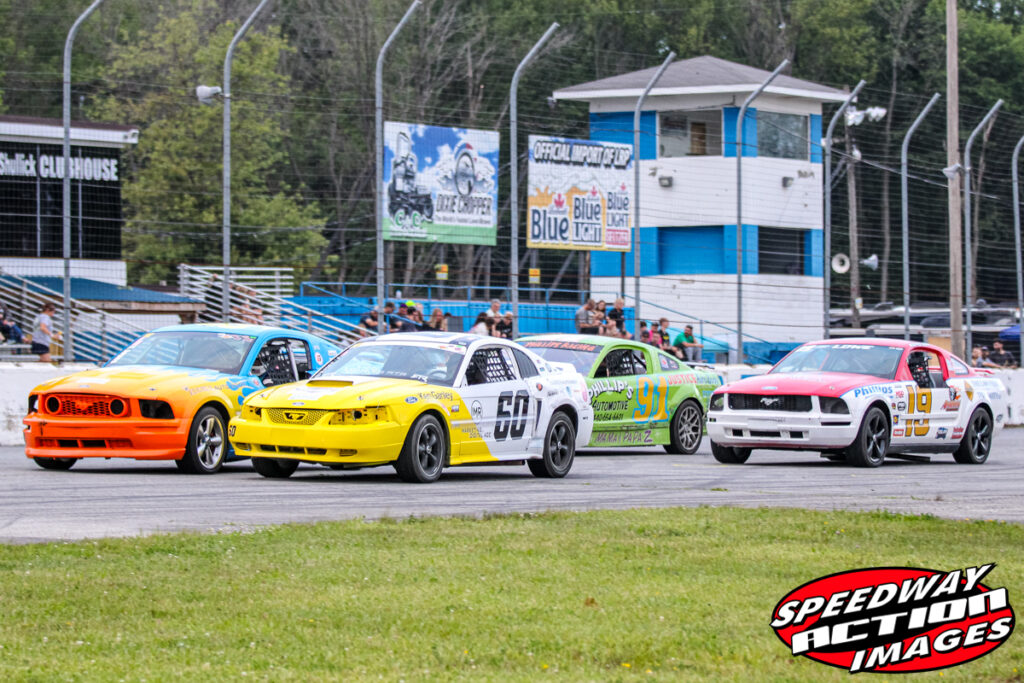
The motorsports landscape in Northern Ohio faced a seismic shift this winter with the confirmed sale and subsequent closure of Norton Raceway Park. However, amidst the uncertainty of the off-season, one of the region’s fastest-growing grassroots series looks to have found solid ground. The ACE Racing League, a fan-favorite budget stock car division, appears to be moving its racing to Midvale Speedway and Painesville Speedway for the 2026 season.
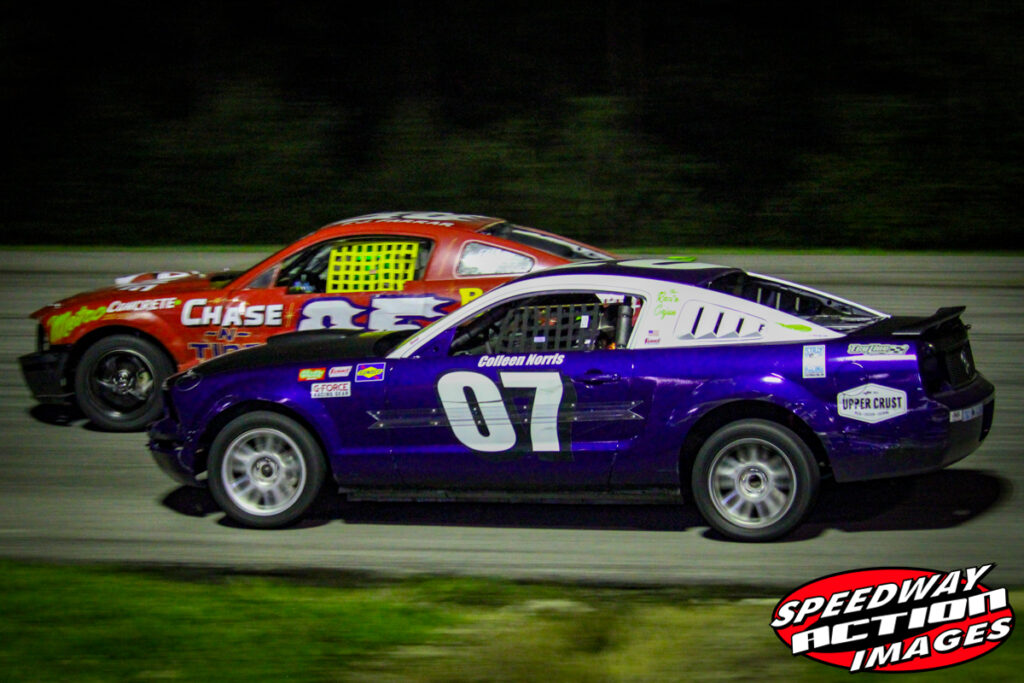
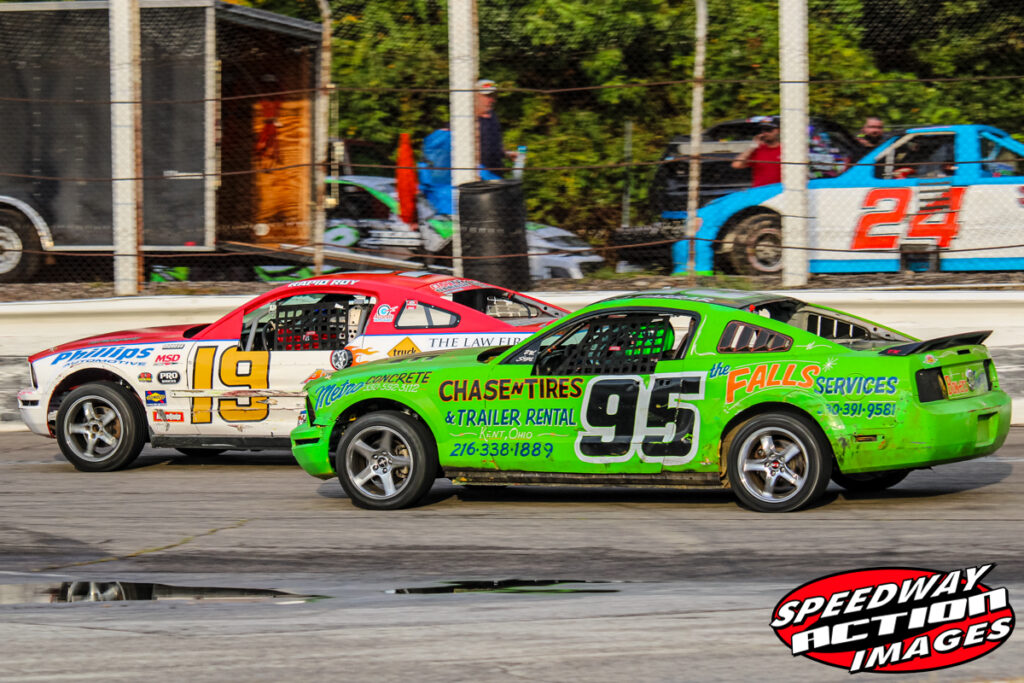
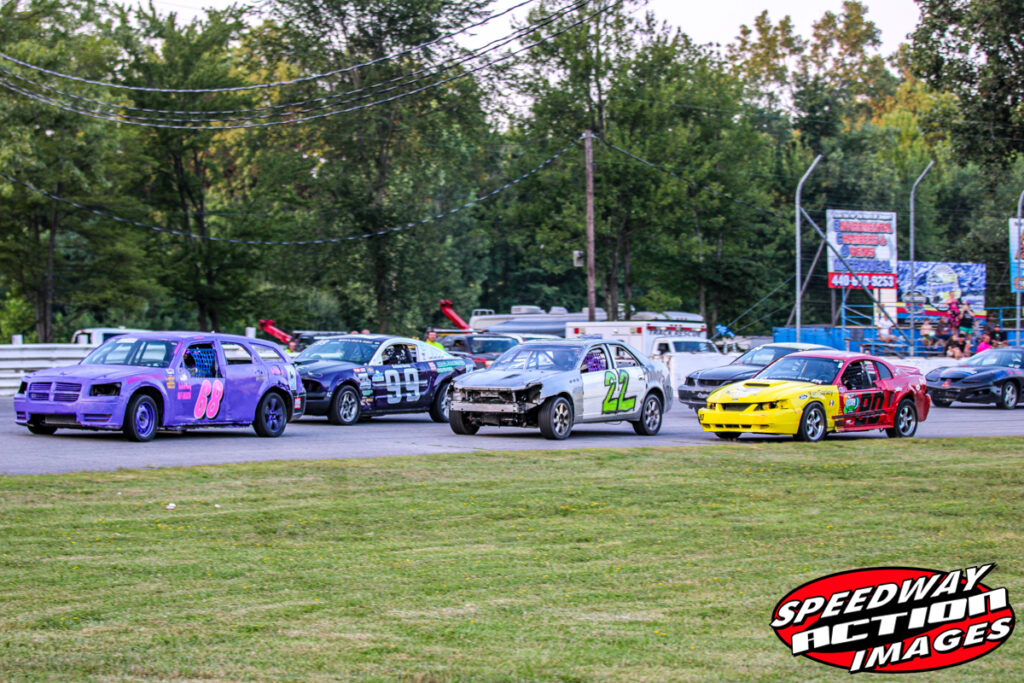
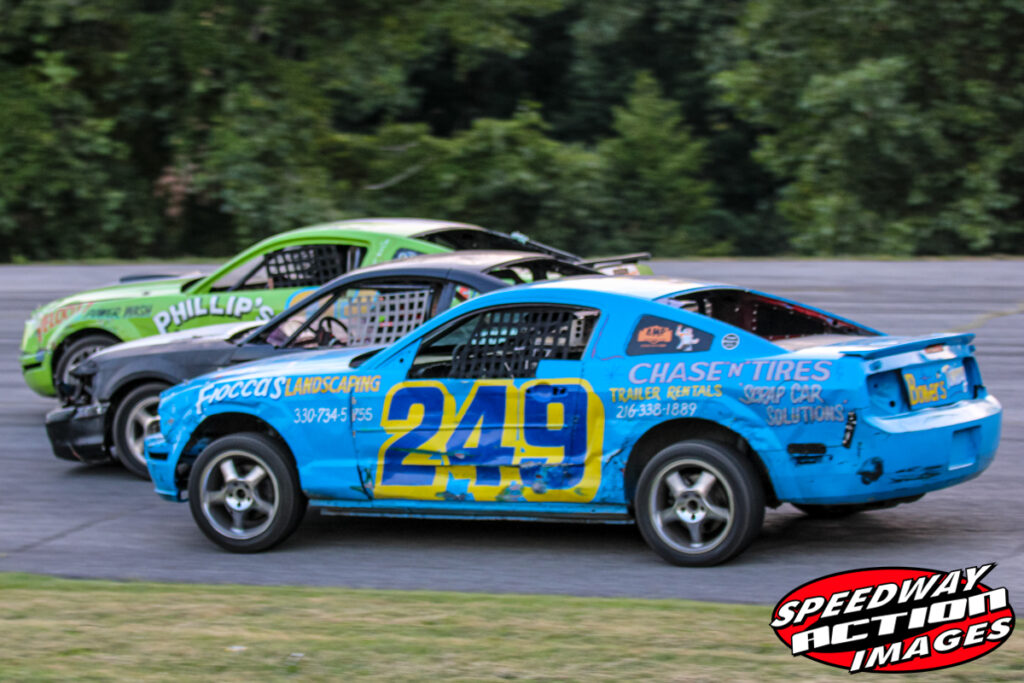
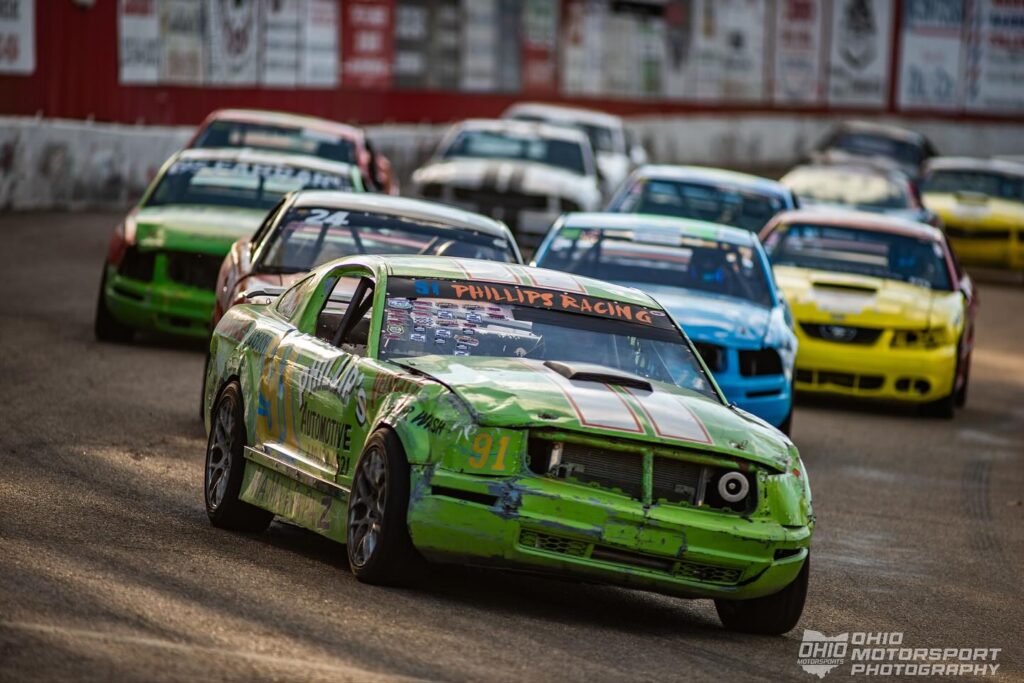
The move ensures that the “drivers’ class”—known for its diverse field of V6 rear-wheel-drive unibody cars like Ford Mustangs and Chevrolet Camaros—will continue to thunder through the Buckeye State, keeping affordable racing alive in the wake of losing the historic quarter-mile at Norton.
Moving Forward: The Traveling Transition
For the ACE Racing League, the closure of Norton Raceway Park (formerly Barberton Speedway) was a significant blow. The league had spent the 2025 season cementing itself as a staple of the Norton weekly program, with car counts growing steadily throughout the year. When news broke in December 2025 that Norton had been sold to Mulch Makers Ohio, Inc., leaving the track’s future in doubt, the league’s leadership wasted no time securing a future for its competitors.
Negotiations that had reportedly begun as a plan for a handful of traveling shows quickly evolved into a lifeline. Midvale Speedway, known for its “Thunder in the Valley,” has welcomed the series, adding the ACE Racing League to select Saturday nights for 2026, while Painesville Speedway has not announced a full schedule but has posted on social media that they are willing to add the ACE Racing League to select programs as well. This partnership not only saves the season for dozens of teams but also brings a unique brand of RWD racing to these two bullrings.
Commitment to Affordability: Cost-Saving Measures
The core philosophy of the ACE Racing League has always been accessibility—providing a stepping stone for drivers who want the feel of a rear-wheel-drive stock car without the five-figure price tag of a Late Model or Modified. In response to the shifting economic landscape of local racing, the series has doubled down on cost-saving measures to ensure the class remains viable for the average hobbyist.
Key components of their cost-containment strategy include:
Strict “Stock” Enforcements: The rulebook continues to mandate near-factory specifications for engines and suspension. By prohibiting expensive aftermarket racing parts and requiring the use of stock-type components (often sourced from salvage yards), the league prevents a “spending war” where victory is bought rather than earned.
Tire Management: The series utilizes a durable, street-stock style DOT radial tire rule. This eliminates the need for teams to purchase fresh sets of specialized racing slicks every weekend, drastically reducing the weekly operating budget.
Stable Rulebook: In an era where rule changes often force racers to rebuild cars over the winter, the ACE Racing League has maintained a consistent technical package. This stability allows teams to carry their equipment over from year to year—and now from track to track—without expensive re-engineering.
A Brief History: Filling the Void in Northern Ohio
While relatively new compared to the historic Street Stock or Late Model divisions, the ACE Racing League quickly carved out a vital niche in Northern Ohio’s racing ecology.
The class emerged roughly five years ago to fill a specific void: the lack of an entry-level, rear-wheel-drive division. As traditional “Street Stocks” became faster and more expensive dedicated race cars, and “Compacts” remained front-wheel-drive, there was no place for the entry-level enthusiast who wanted to race a RWD V6 muscle car.
The ACE Racing League (and similar iterations like the “All American Iron”) capitalized on the abundance of affordable V6 Mustangs, Camaros, and Firebirds available on the used market. What started as small fields of “beater” cars quickly evolved into a competitive, sharp-looking series. The class saw rapid growth at venues like Lorain Raceway Park, Sandusky Speedway and Norton Raceway Park, resonating with fans who loved seeing recognizable street cars trading paint.
By 2025, the league had developed its own identity separate from standard Factory Stocks, becoming a haven for developing driver talent.
The Road Ahead
As the snow melts and engines fire up for the 2026 season, the ACE Racing League stands as a testament to the resilience of local short-track racing. While the lights may have gone dark at Norton, the roar of V6 engines will continue to echo in Midvale and Painesville, proving that as long as there is a place to race and a rulebook that respects the working man’s wallet, the show will go on.
Discover more from Speedway Action Magazine
Subscribe to get the latest posts sent to your email.