By Jim Foose – Speedway Action Magazine
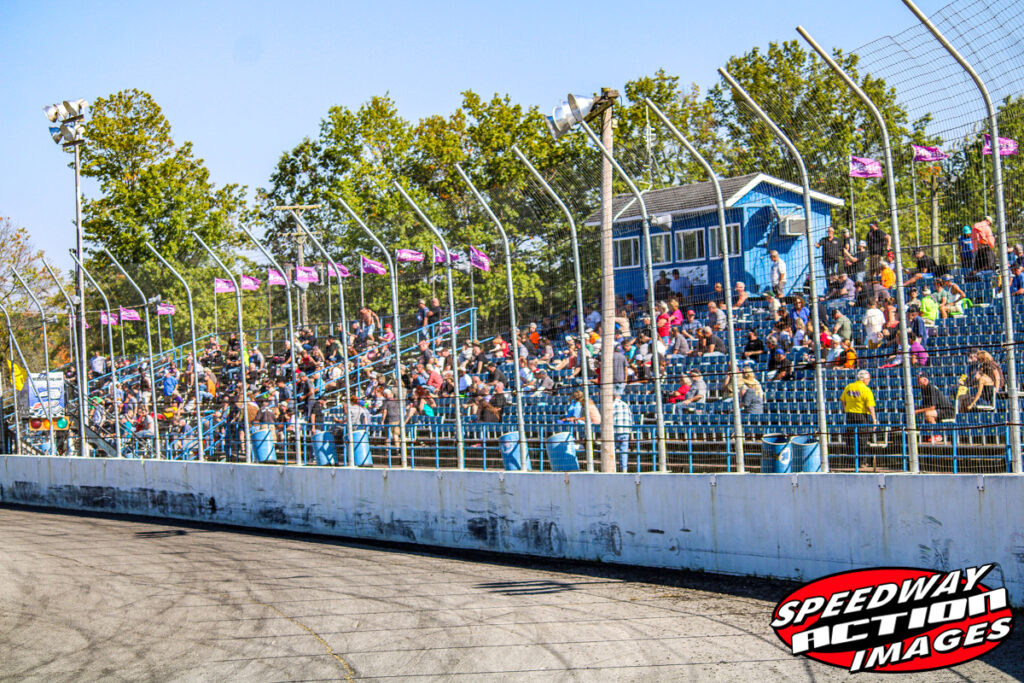
SOUTH AMHERST, Ohio — The wind cuts across the open fields of Lorain County, whistling through the empty grandstands off Leavitt Road. In winters past, this silence was merely a pause—a hibernation before the roar of Supermodifieds and Street Stocks heralded the arrival of spring.
But this January, the silence feels heavier. The schedule is blank. The gates are locked. And for the second time in a decade, a “For Sale” sign hangs over one of Ohio’s most storied short tracks.
Lorain Raceway Park (LRP)—known for generations simply as “Lorain County Speedway” or “The County”—could be sitting quiet in 2026. Following a tumultuous “make-or-break” 2025 season that saw ownership battle dwindling car counts and sparse crowds, the facility has been placed on the market. With no schedule released for the upcoming season, the racing community is left asking a painful question: Has the final checkered flag already flown in South Amherst?
From Moonshine to Mainstream
To understand the weight of the track’s potential loss, one must look back to its origins. The track didn’t start as a business venture; it started as a playground for post-war adrenaline.
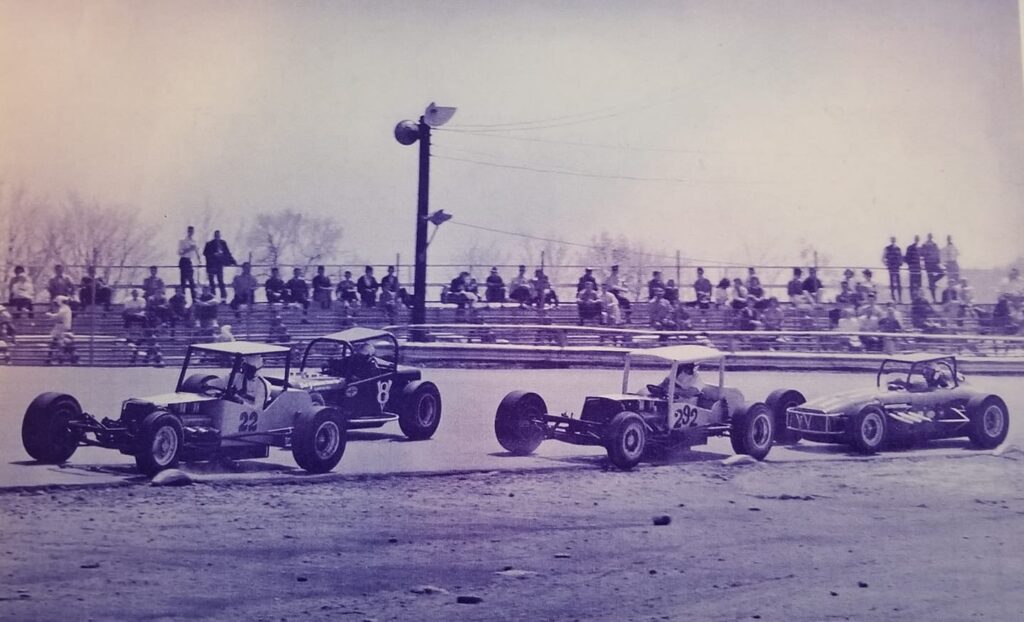
Founded in 1949 by Chuck Yost, the facility began its life as a 1/3-mile dirt oval. It was the golden age of the “jalopy,” where coupes carved out of cornfields competed for bragging rights. It wasn’t until 1960 that the track was paved, transforming into the 3/8-mile asphalt oval that sits there today.
That paving project changed everything. The new asphalt surface, with its distinctive 12-degree banking in the turns, became a proving ground for drivers who would go on to become household names.
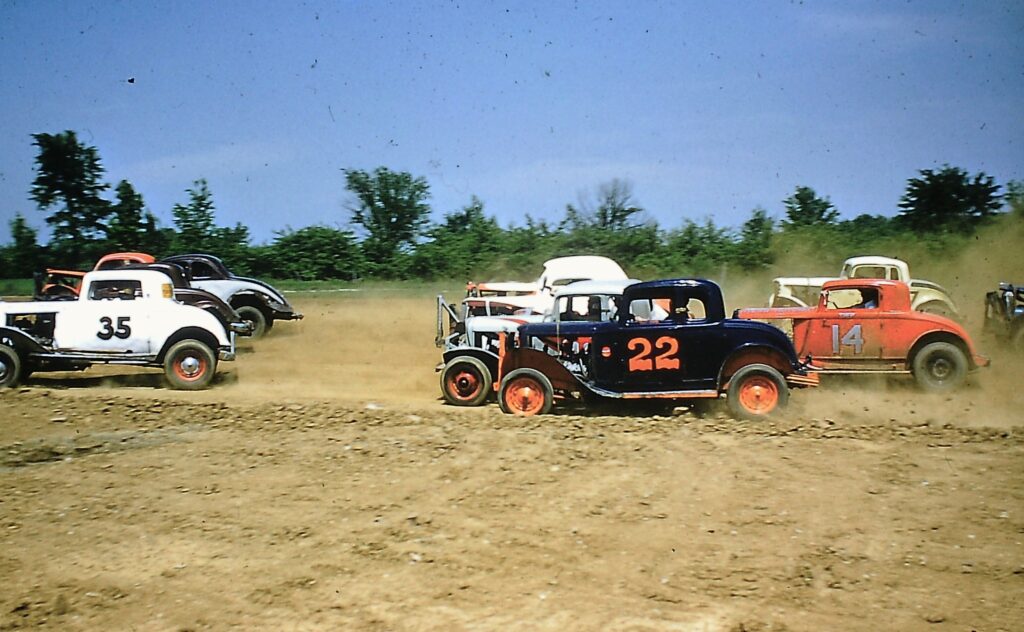
Before they were NASCAR legends, they were cutting their teeth at “The County.” Benny Parsons, the 1973 NASCAR Cup Series champion, turned laps here. So did the flamboyant Tim Richmond, whose open-wheel days in Ohio forged the car control that would later dazzle the Cup Series. Michael Waltrip and Davey Allison both logged time on the South Amherst asphalt.
For local heroes like Bob Frey—who started in the “Rat Racer” division before becoming a five-time Little 500 winner—Lorain was more than a track; it was a launchpad.
The “Egg” that Cracked Them
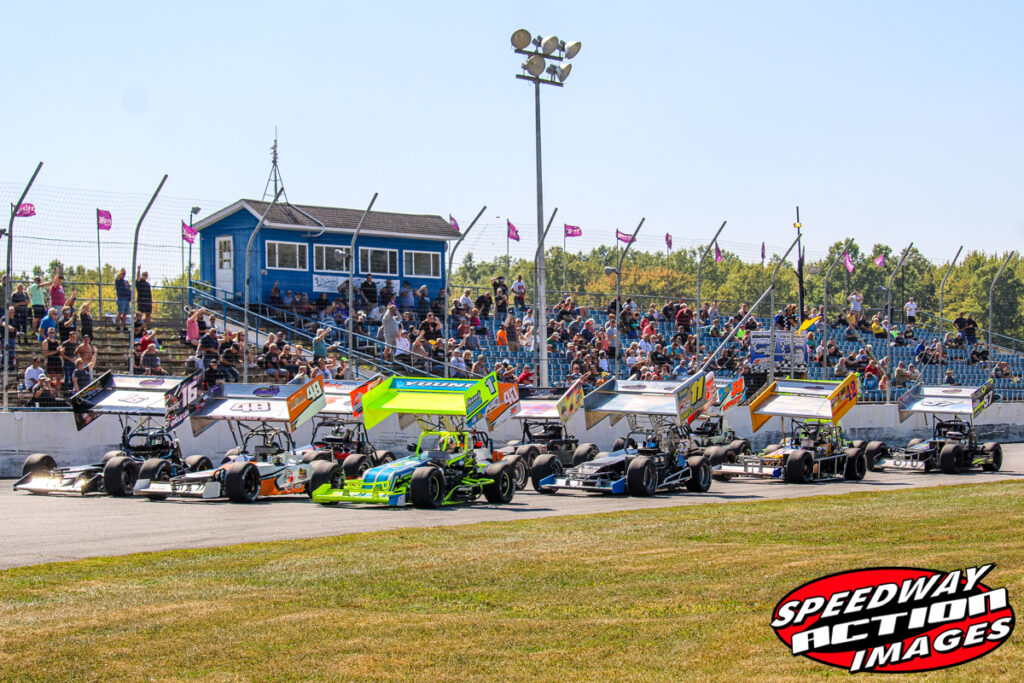
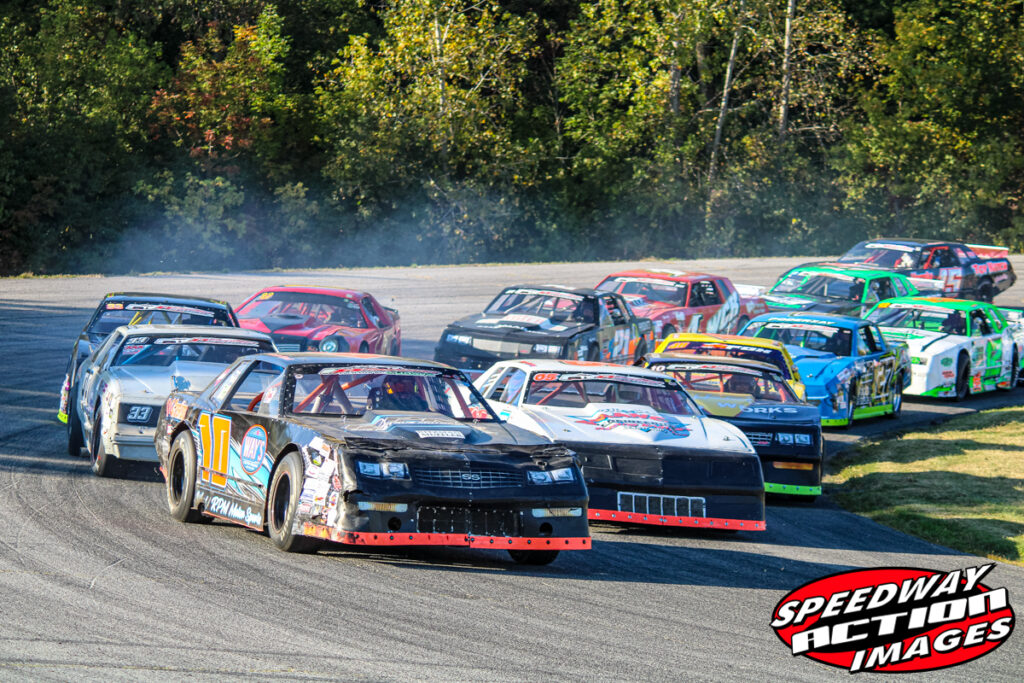
Part of Lorain’s allure has always been its layout. It isn’t a cookie-cutter oval. Drivers often describe it as “egg-shaped,” a tricky configuration that demands rhythm and respect. The slight banking on the straights and the tighter entry into one end challenged rookies and veterans alike.
”If you could win at Lorain, you could win anywhere,” was the common refrain in the pits. The track record, once a barrier of 15 seconds, was shattered by legends like Armond Holley in the 1970s, setting a standard of speed that kept fans packed in the bleachers for decades.
The Modern Struggle
Despite its pedigree, the last twenty years have been volatile. The track has cycled through names and owners, each trying to find the magic formula to keep the lights on in an era of declining short-track attendance.
The most recent chapter began in 2020, when Denise and Randy Maggio acquired the facility from the Bonnema family. The Maggio era brought a burst of energy and investment, rebranding it as Lorain Raceway Park and attempting to modernize operations. However, the economics of running a short track in the 2020s are unforgiving.
While the new Lorain Ohio KartPlex on Root Road is rising as a modern motorsports entertainment complex, the historic oval at South Amherst has struggled to find its footing. The 2025 season was publicly discussed as a critical year, and the current sale listing suggests the numbers simply didn’t add up.
What Lies Ahead?
As snow drifts against the retaining walls this winter, the future of the 60-acre property is murky. Real estate developers often eye flat, clear land in Lorain County for warehouses or housing. But the racing community is holding out hope for a savior—perhaps a group of investors or a racing enthusiast willing to preserve the history embedded in the asphalt.
For now, the ghosts of 1949 are the only ones on the track. The question remains whether a new promoter will step forward to unlock the gates, or if Lorain Raceway Park will become another chapter in the history books, remembered only by the Hall of Fame inductees who once called it home.
Talks are ongoing with several interested parties to either lease or purchase the facility, all talks currently are to keep it a race track, according to Randy Maggio, Jr. Maggio will not comment on if there are any plans to race at the 3/8 mile if the track does not sell or find a promoter to lease the facility.
Do you have memories of Lorain County Speedway? Share your stories and photos with us for our upcoming retrospective on Ohio’s Lost Speedways.
Discover more from Speedway Action Magazine
Subscribe to get the latest posts sent to your email.