By Jim Foose/Speedway Action Magazine
In the heart of Northern Ohio, where the smell of spent racing fuel and the roar of engines typically signal the arrival of spring, a quieter, more anxious sound is taking over the pits: the sound of calculators running. For some local racers, the excitement of a new season is being overshadowed by a significant financial hurdle—the delay or absence of season championship point fund payouts from the previous year.
For the elite teams, a point fund check might be the “cherry on top.” But for the grassroots racer running on a shoestring budget, that envelope represents the lifeblood of their program.
The Budgetary Domino Effect
Racing has always been an expensive pursuit, but the current economic climate has turned “expensive” into “extortionate.” From the rising cost of Hoosier tires to the price of racing fuel and engine components, every dollar is earmarked months in advance.
When a track or series fails to deliver promised championship payouts, it creates a devastating domino effect:
- The Parts Debt: Many racers “front” the cost of winter rebuilds on credit, counting on their point fund winnings to clear the balance before the first green flag drops.
- The Tech Gap: Without those funds, teams are forced to skip essential upgrades, entering the new season with fatigued equipment that is prone to failure.
- The Commitment Crisis: For many, the math simply doesn’t add up. If the previous year’s ROI (Return on Investment) hasn’t arrived, committing to a full 2026 schedule becomes a gamble that many families can no longer justify.
A Regional Strain
Northern Ohio boasts one of the densest racing populations in the country. From the dirt ovals to the paved tracks, the community relies on a delicate ecosystem of trust between promoters and competitors. When payouts are withheld or delayed, that trust erodes.
“It’s not just about the trophy,” says one local veteran who wished to remain anonymous. “That check pays for the tires that get us through April and May. Without it, the car stays on the jack stands.”
Survival of the Pavement (and Dirt)
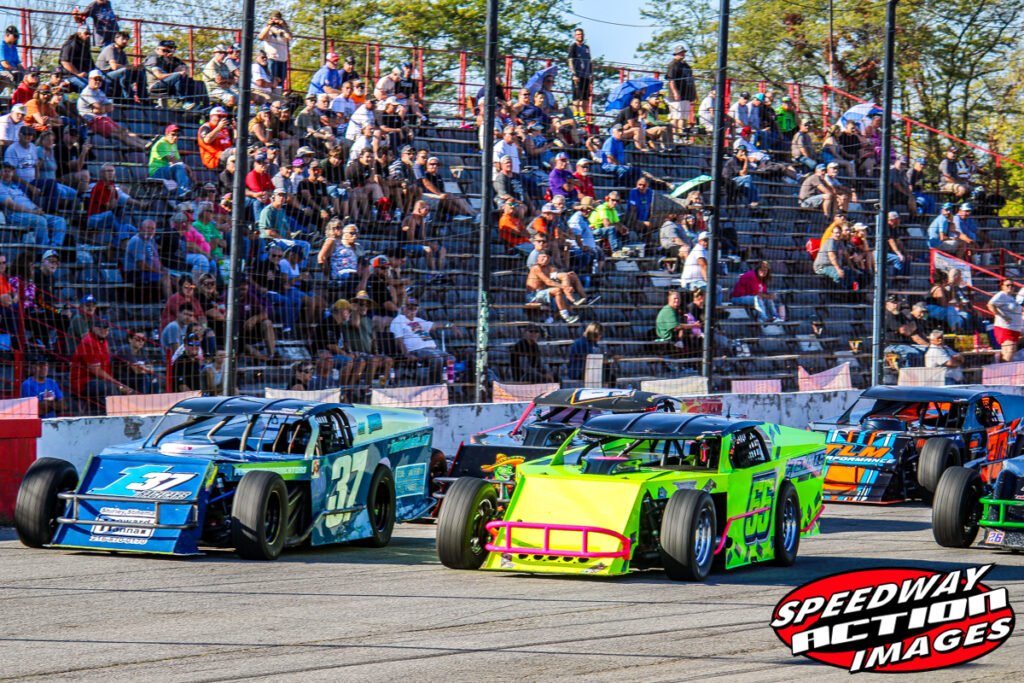
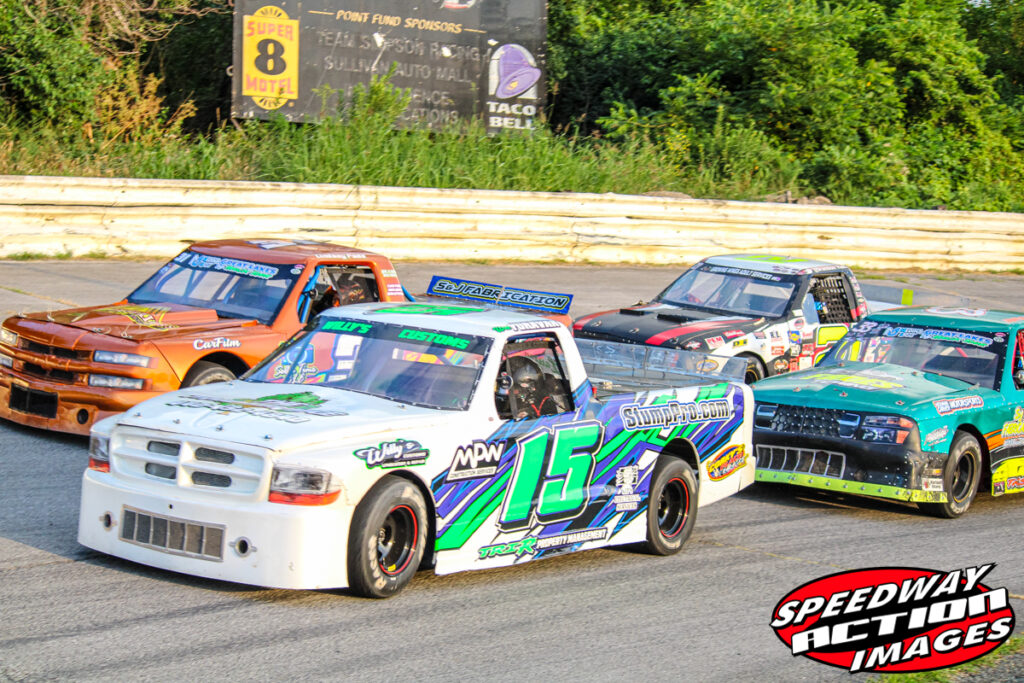
The “tight squeeze” is hitting the mid-pack chargers the hardest—the racers who provide the car counts that keep grandstands full. If these teams are forced to scale back to “part-time” status due to a lack of funds, the tracks themselves will eventually feel the pinch through smaller fields and diminished spectacles.
As the 2026 season looms, the Northern Ohio racing community finds itself at a crossroads. For the sport to thrive, the financial promises of the past must be honored to ensure the stars of the present can actually make it to the staging lane.
Discover more from Speedway Action Magazine
Subscribe to get the latest posts sent to your email.