By [Jim Foose/Speedway Action Magazine]
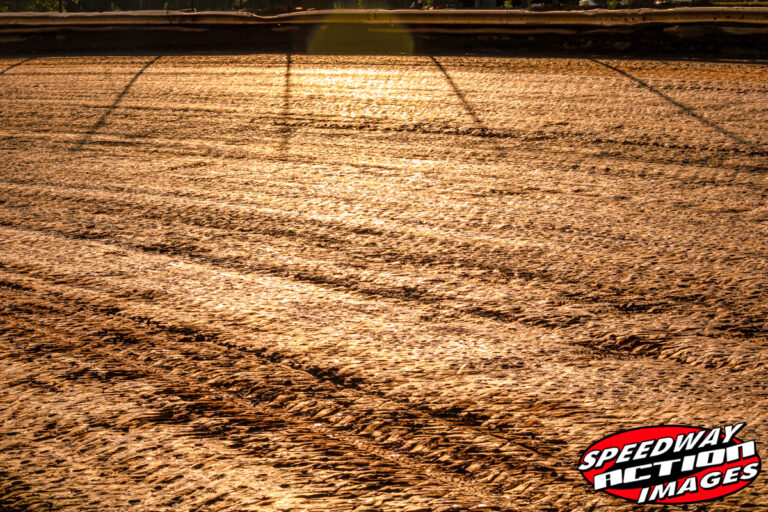
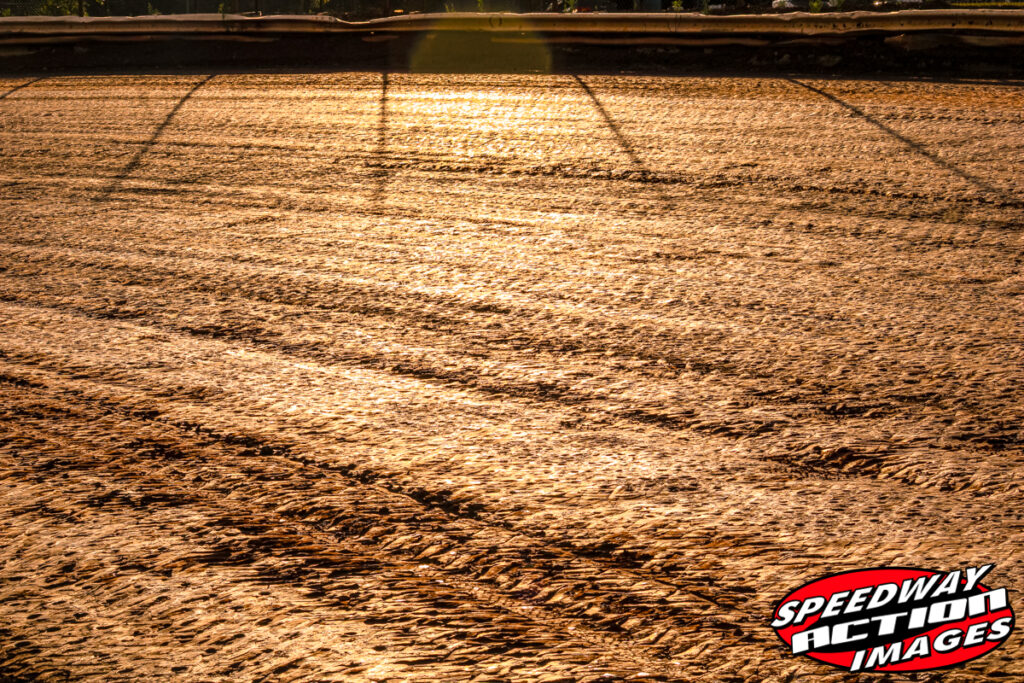
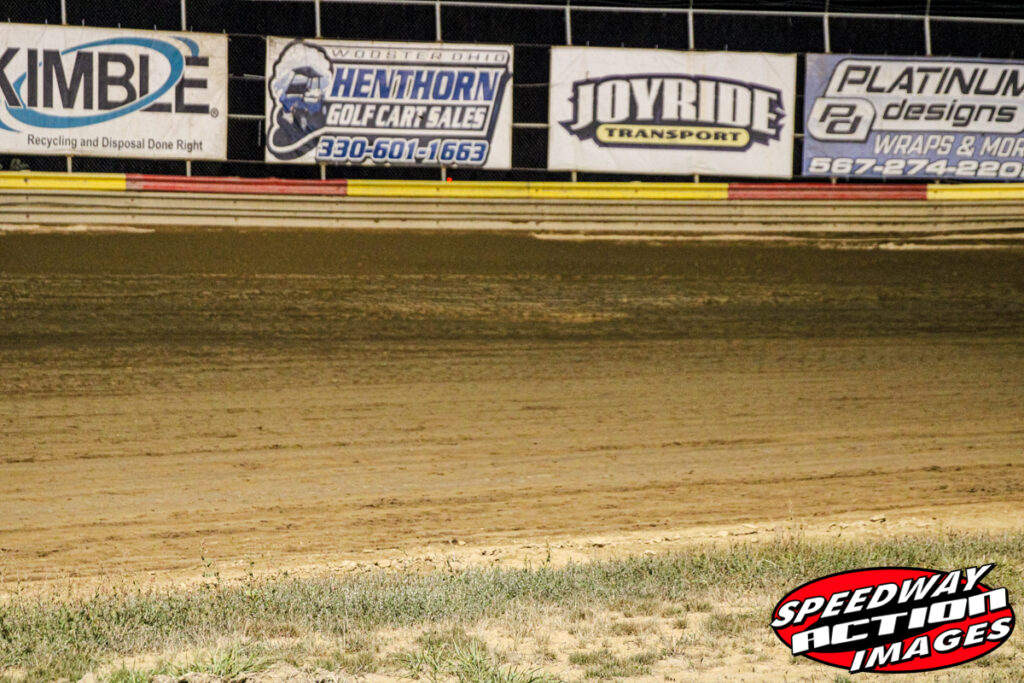
It’s the smell that hits you first—that heavy, earthy scent of wet clay mixing with high-octane racing fuel. Before a single engine fires, the track tells a story. If it’s right, the surface looks like black velvet: dark, heavy, and holding the promise of speed. If it’s wrong, it’s a dusty, abrasive minefield waiting to tear up tires and tempers alike.
Drivers and mechanics often get the glory, but the unsung hero of any Saturday night showdown is the person in the grader. Track preparation is equal parts agronomy, meteorology, and heavy equipment operation. It is a pursuit of the “perfect surface”—a multi-groove track that allows for side-by-side racing without turning into a dust bowl or a mud bog.
To understand the magic of a great race, you have to look down. Here is the science and the struggle behind prepping the perfect dirt oval.
The Foundation: It’s Not Just Dirt
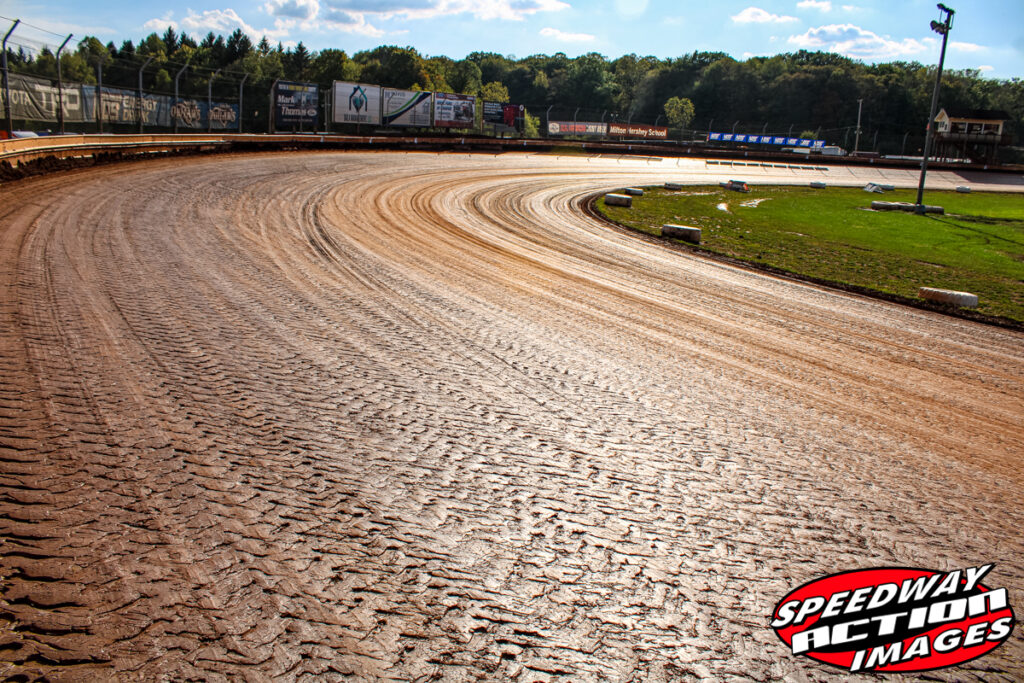
“Dirt” is a misnomer. You can’t just bulldoze a field and expect to race on it. A quality racing surface is a carefully curated mixture, usually heavy on clay. Clay provides the tackiness—the “bite”—that allows an 800-horsepower Sprint Car or a 2,300-pound Late Model to hook up and launch off the corner.
The texture is critical. If the soil is too sandy, it won’t hold moisture or shape; it essentially turns into a beach, robbing the cars of traction. If the clay content is too high and aggressive, the track might “take rubber” too quickly, becoming a one-lane asphalt-like surface that destroys tires in mere laps.
The best track curators are looking for a specific consistency: soil that packs together when squeezed in a hand but crumbles apart when rubbed. This allows the track to develop a “cushion”—that loose berm of dirt pushed up against the wall that brave drivers can lean on for extra momentum.
The Moisture Equation
Water is the lifeblood of a dirt track, but applying it is a high-stakes gambling game played against the sun and the wind.
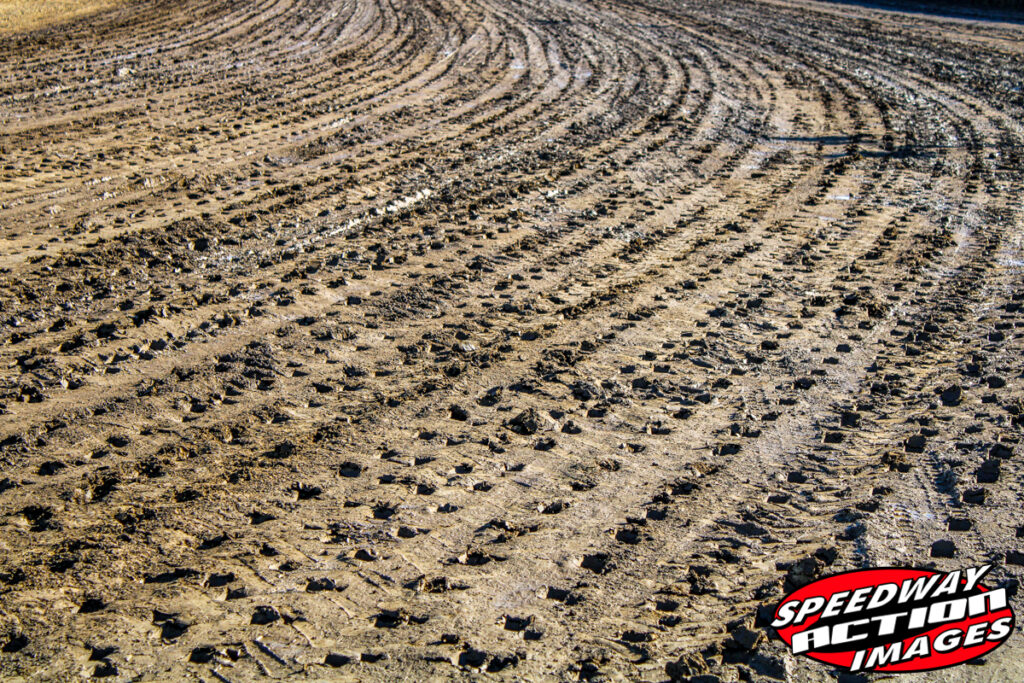
The process doesn’t start on race day; it starts days before. The goal is deep moisture. If a promoter only waters the top inch, the track will “blow off” (turn to dust) halfway through the heat races. The water needs to permeate deep into the base. This often involves days of slow soaking and tilling, turning the soil over to ensure the moisture profile is consistent from the bottom up.
The “Black Ice” stage is what crews aim for early in the day—a surface so wet and shiny it looks like a mirror. As the sun beats down, that moisture is drawn up. If the prep crew timed it right, the track will transition from “greasy” to “tacky” right as hot laps begin.
However, factors like humidity and cloud cover can ruin the best-laid plans. A cloudy day prevents evaporation, potentially leaving the track too heavy and rough (hammer-down conditions), which breaks suspension parts. A windy, sunny day can suck the moisture out instantly, leading to a “dry-slick” surface where throttle control becomes king.
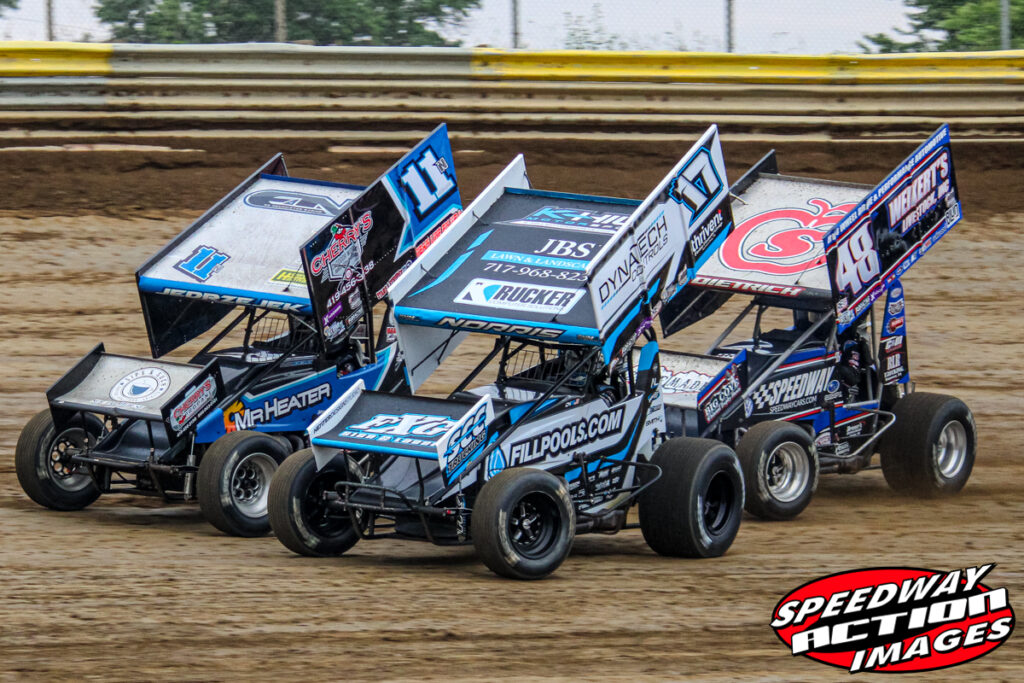
Race Night: The Rework
The most stressful time for a track crew is the show itself. Once the cars are on the track, the surface is evolving every second.
The Pack: Before racing starts, all support vehicles—and often the race cars themselves—will “wheel pack” the track. This compresses the loose, watered soil into a firm, raceable surface. It’s a delicate balance; pack it too much, and you seal off the moisture, causing the track to glaze over. Pack it too little, and the track tears apart into ruts.
The Read: A good track official watches the color of the dirt. Dark brown is good; it means moisture is still present. Light gray means it’s drying out. Black and shiny usually means it’s taking rubber—the tires are melting onto the surface, creating massive grip but zero passing opportunities.
The Intervention: Sometimes, the track gets away from the crew. It might become a “dust bowl” where fans can’t see the backstretch, or it might “rubber up” so badly that racing becomes a parade. This is when the hard call is made to stop the show for a rework.
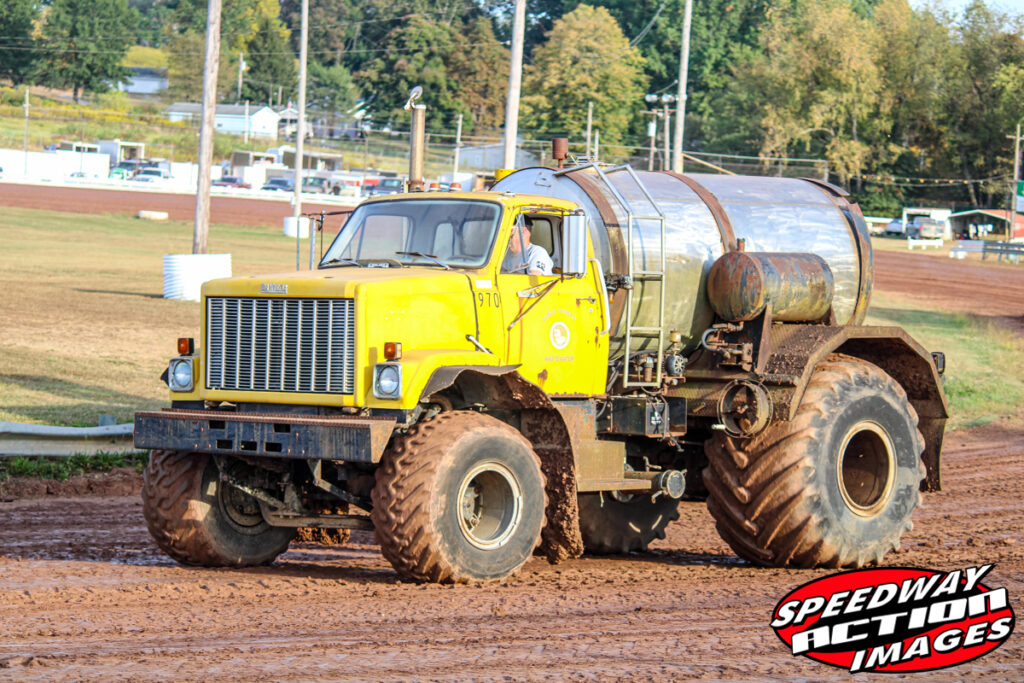
This usually happens at intermission. The graders come out to peel off the top layer of spent rubber and dry dust. Then, the water trucks make a few heavy passes, and the “sheepsfoot” (a roller with metal studs) or a tiller might be used to mix that water back into the top two inches of soil.
It disrupts the flow of the event, and fans often grumble about the delay, but a 20-minute rework can save the feature races. It resets the track, bringing back multiple grooves and giving the drivers a second chance at finding grip.

The Verdict
Ultimately, there is no such thing as a maintenance-free dirt track. It is a living, breathing beast that reacts to every tire turn and every degree of temperature change. When you see a driver slide up across the track in a four-wheel drift, throwing a rooster tail of soil into the lights, you aren’t just watching a car; you’re watching a successful collaboration between a driver’s skill and a track prep crew’s sleepless nights.
The Heavy Hitters—Tools of the Trade
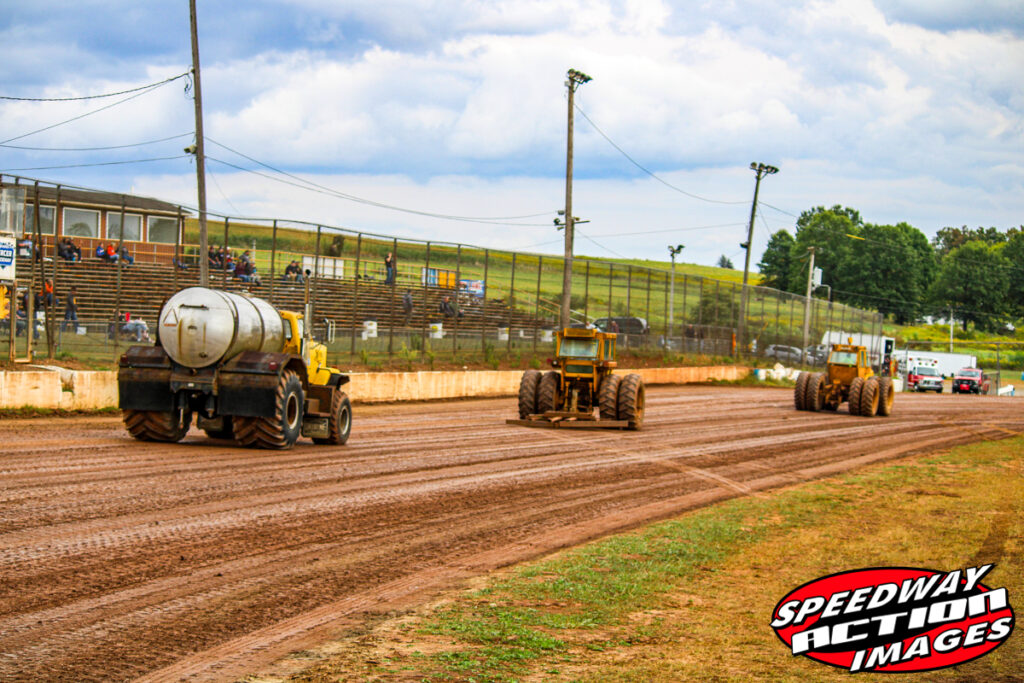
While the water truck gets the most attention (and occasionally the most applause from dusty fans), the “black art” of track prep requires a diverse fleet of heavy iron. Here is the machinery that turns a field of dirt into a multi-groove racing surface.
The Motor Grader The undisputed captain of the prep team. The grader’s primary job is to cut and shape the surface. It shaves off the “spent” dirt—the dry, slick layer of rubber and dust that builds up during a race—to expose the fresh, tacky clay underneath. It also builds the cushion (the berm of loose dirt at the top of the track) and cuts the banking to ensure proper drainage and corner geometry. A skilled operator can feel the density of the dirt through the levers, making adjustments by the fraction of an inch. The Grader is rarely seen by race fans, usually parked in a back corner of the property waiting for mid-week track prep. In emergency circumstances, the Grater will make an appearance during a race program, but beware when it appears, track prep is going to take a while.
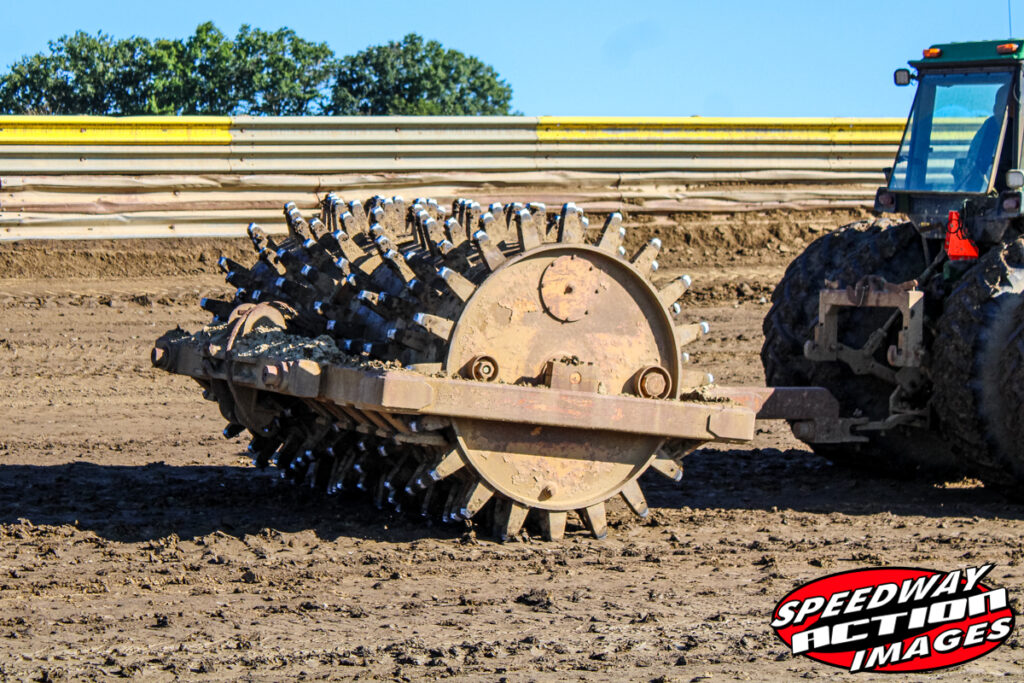
The Sheepsfoot Roller You’ll know this one by its distinctive drums covered in metal knobs or “feet.” Unlike a smooth drum roller that just smashes the top layer flat (sealing off moisture), the sheepsfoot penetrates deep into the base. It knits the layers of soil together from the bottom up, marrying the fresh water with the deep clay. This prevents the track from peeling apart in chunks or “shelling” under the stress of 900-horsepower engines.
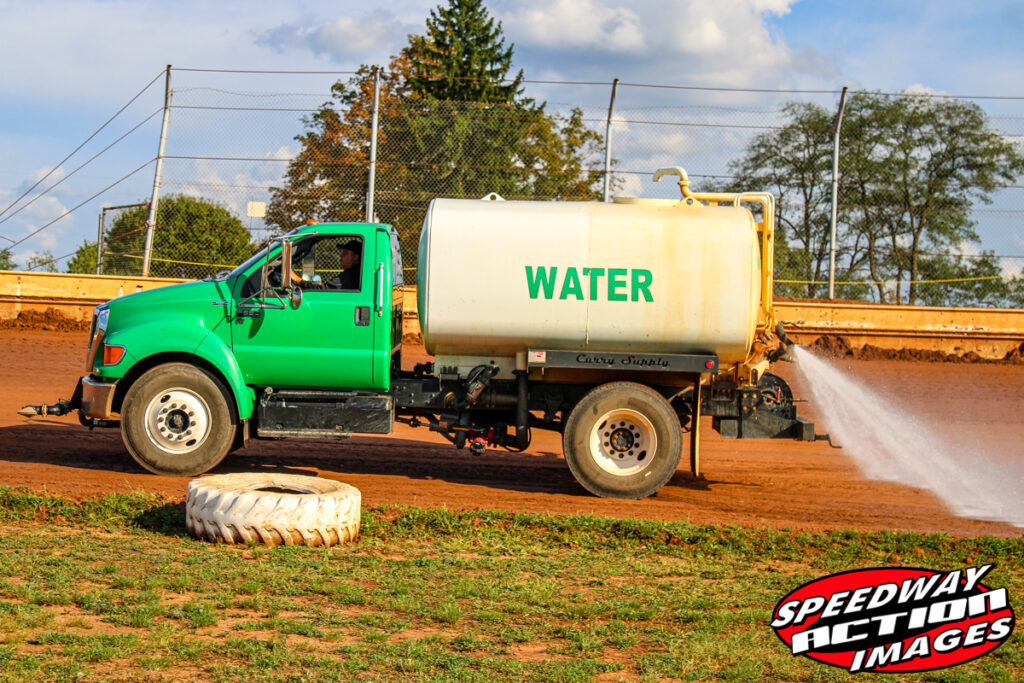
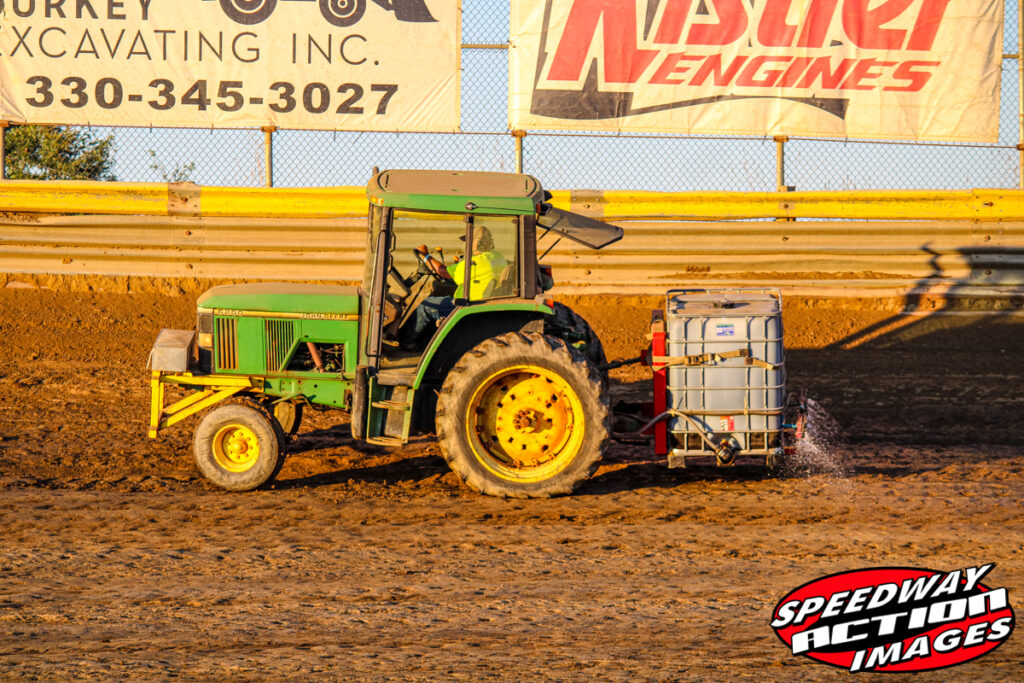
The Water Truck More than just a tank on wheels, a proper track water truck needs a high-volume pump and a specialized spray bar. The goal isn’t just to wet the surface; it’s to flood it evenly without creating puddles. Precision is key—too much water in one spot creates a “hole” or a rut; too little creates a dust bowl. Drivers often look at the spray pattern to gauge how much grip will be available in specific lanes.
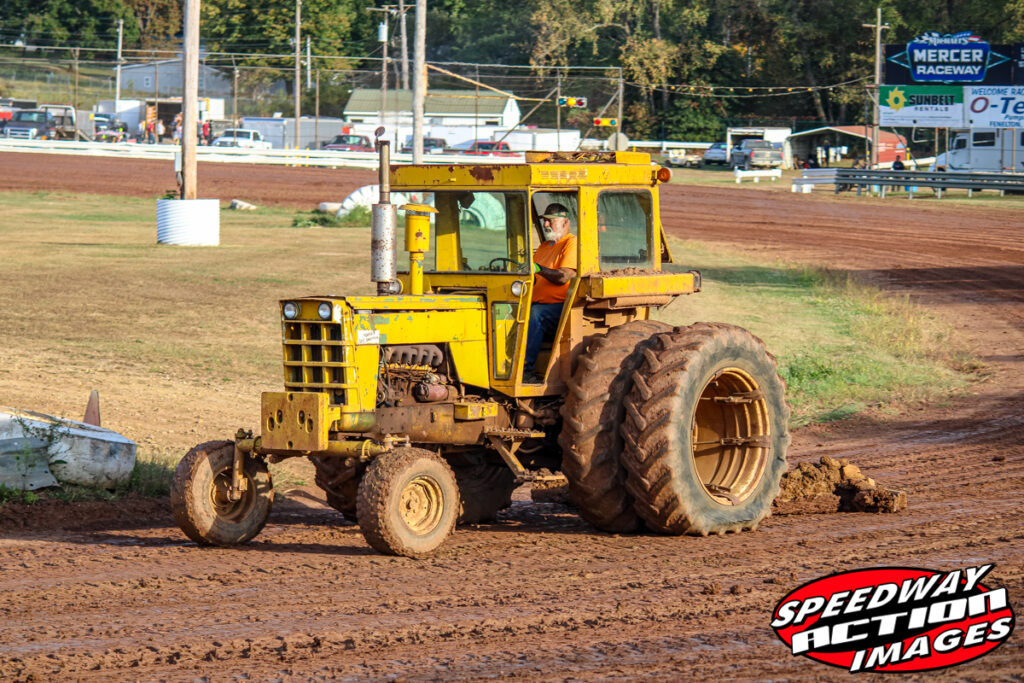
The Tiller (Rotary Hoe) Usually pulled behind a standard farm tractor, the tiller is the mixer. When a track becomes too hard or “glazed over” (taking rubber), the tiller churns the soil, fluffing it up and allowing water to penetrate deeper. It is essential for “reworking” a track that has dried out too quickly, turning a concrete-hard surface back into a workable, loamy playground.
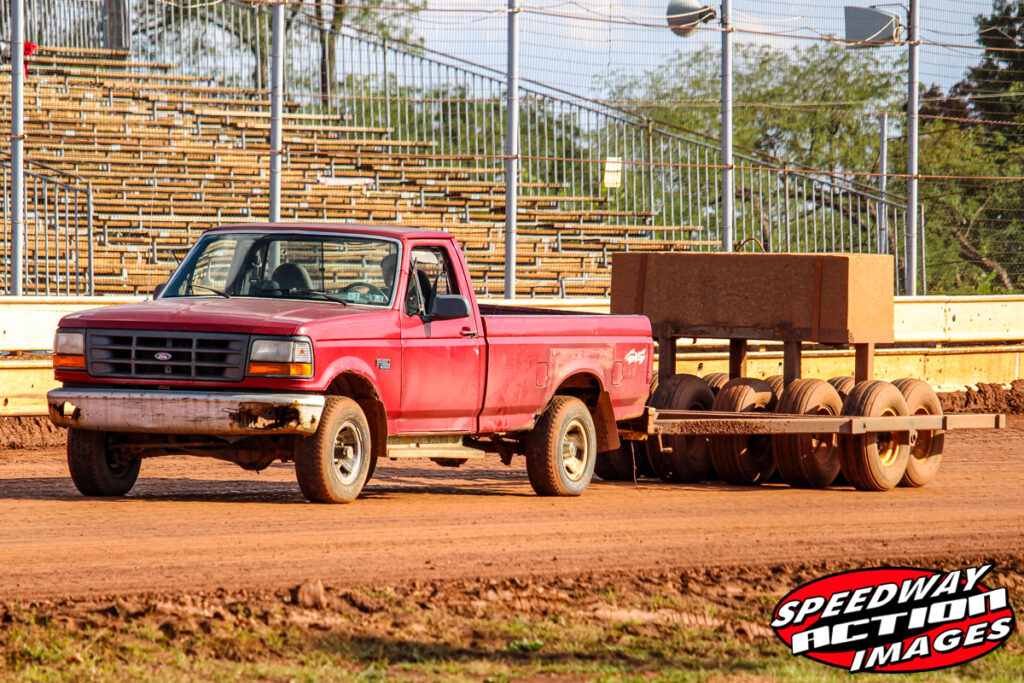
The “Pack” Sometimes the best tool isn’t a piece of construction equipment at all—it’s tires. “Wheel packing” involves running a fleet of trucks, Jeeps, or the race cars themselves in tight formation around the oval. This specific type of rolling compression seals the moisture into the top few inches of the surface, creating that signature “tacky” feel that drivers hunt for during hot laps.
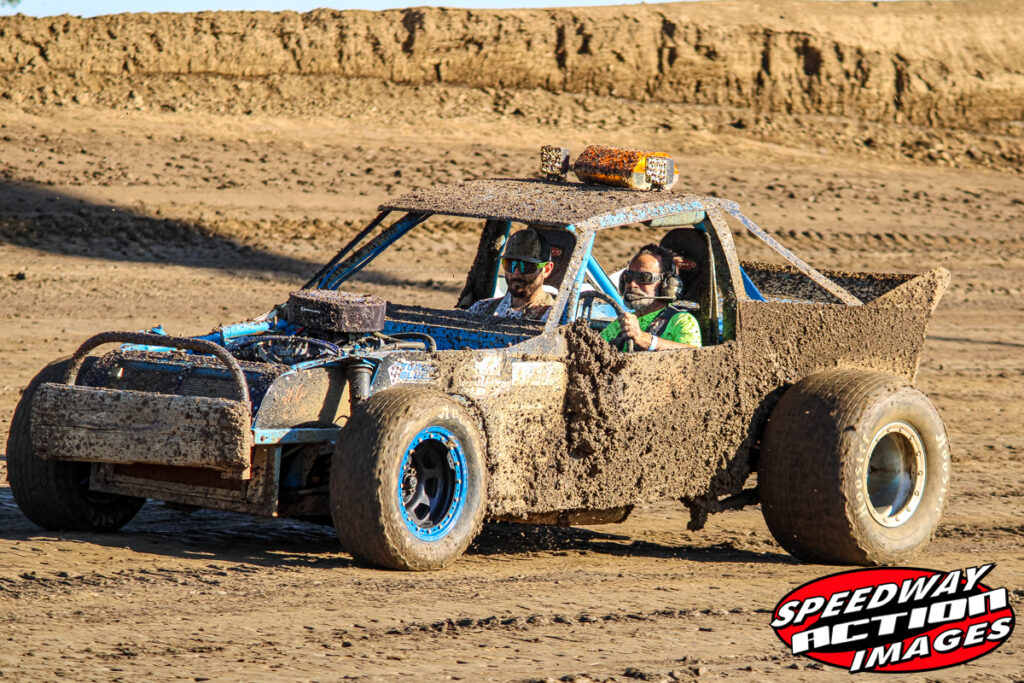
Next time you head to the dirt track, arrive early and watch the track prep process. You’d be amazed how much time and effort goes into getting the track “just right” for a racing program, and you’ll see some pretty cool heavy equipment going around the track.
As the official 2026 health and wellness partner of Speedway Action Magazine, Recrea Health & Wellness is dedicated to helping the Northeast Ohio racing community achieve peak performance on and off the track. From advanced recovery therapies to hormone optimization and weight loss programs, their Medina clinic provides the care you need to stay energized for those long hours in the garage. Discover your optimal health at recreahealth.com.
Discover more from Speedway Action Magazine
Subscribe to get the latest posts sent to your email.