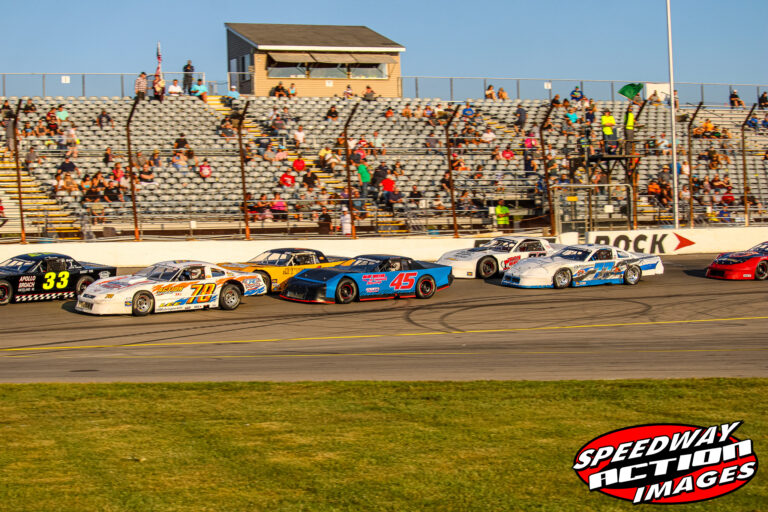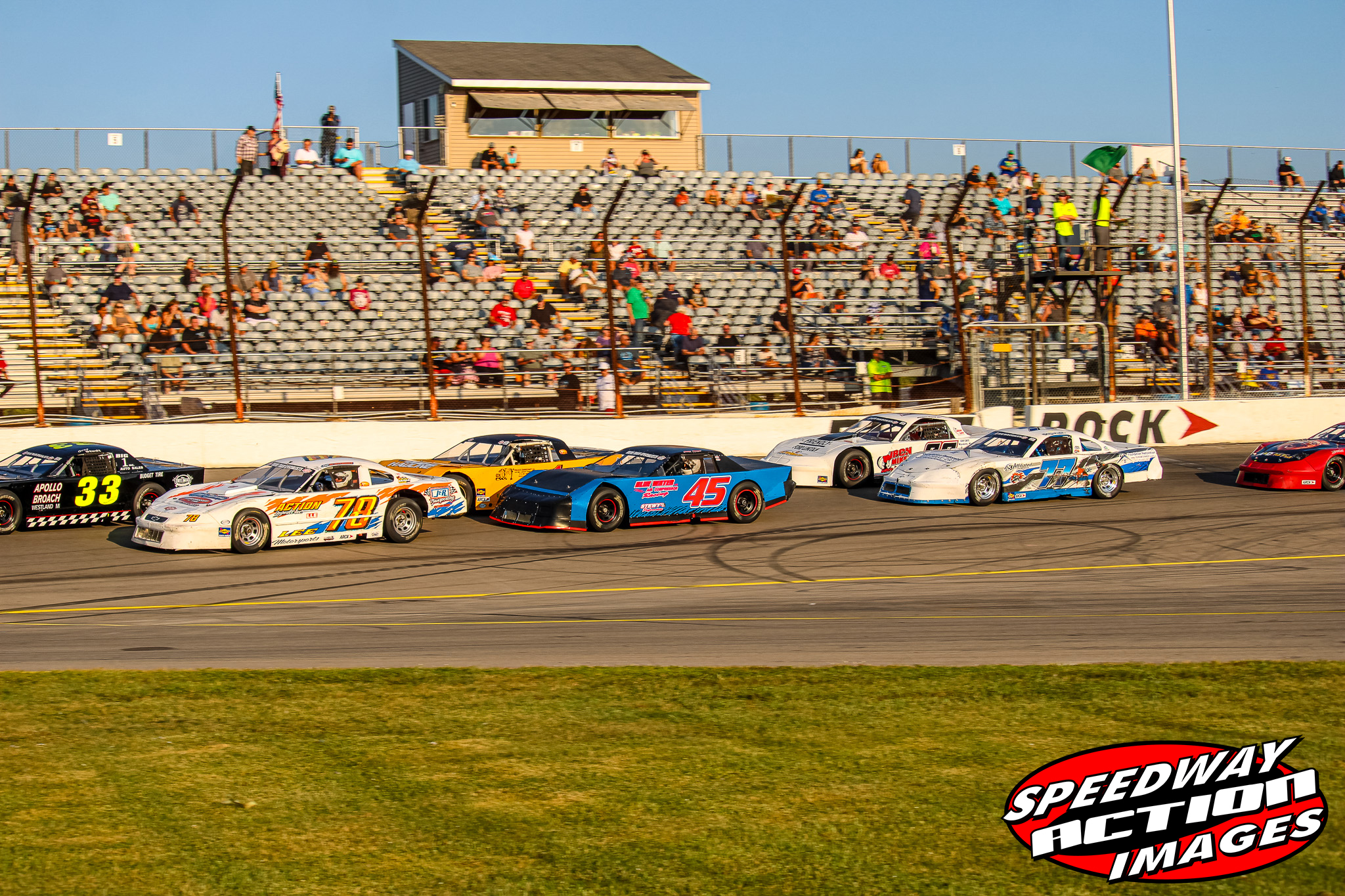

For anyone who loves local short-track racing, the heartbeat of the sport has always been the rumble of engines, the smell of burnt methanol and race fuel, and packed grandstands cheering on their local favorites. But over the last several seasons, a heavy cloud has settled over pit areas and ticket gates alike. With soaring fuel prices, ballooning logistics costs, and broader economic inflation, the cost of going racing—and the cost of simply going to watch a race—has reached a critical tipping point.
The economic squeeze is no longer just a background conversation in the paddock; it is actively altering car counts and reshaping grandstand attendance.
The Paddock Squeeze: How Teams are Feeling the Pinch
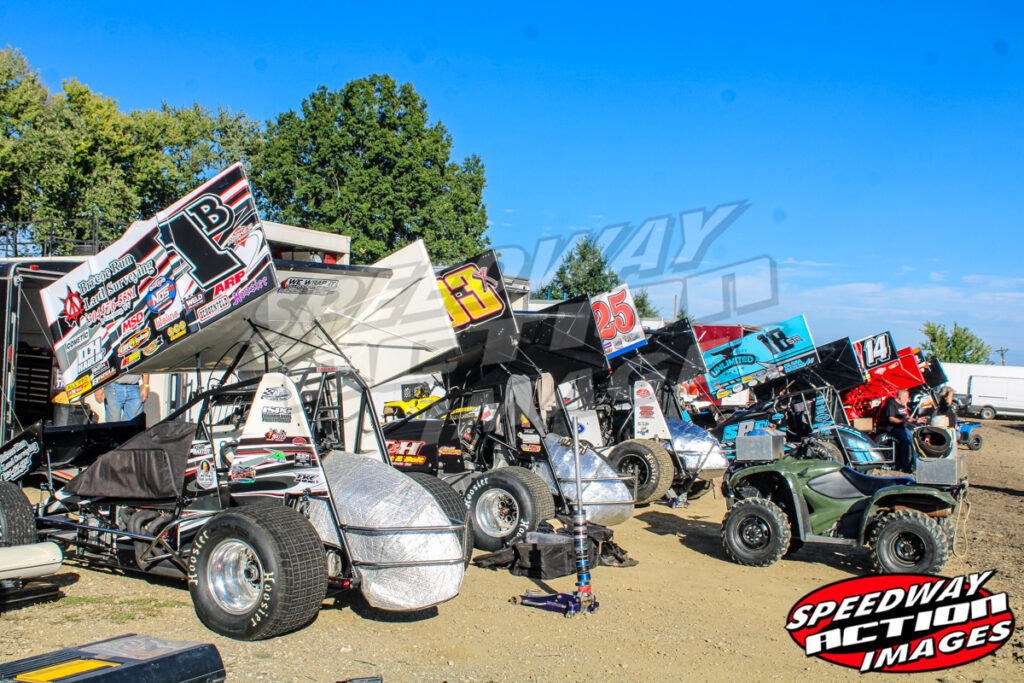
Ask any weekly competitor or traveling team principal what their biggest hurdle is right now, and the answer rarely stops at parts or tires. Transportation is eating budgets alive.
- Hauling Expenses: Whether a team is towing a compact or a sprint car on an open trailer within their home state or hauling a late model across multi-state regions on a 44-foot gooseneck, diesel and gasoline prices have pushed transit overhead to unprecedented levels.
- Consumables and Parts: Beyond the tow rig, everything required to put a race car on the track—from high-octane racing fuel and engine oil to specialized components and aluminum sheeting—reflects the broader supply chain and energy price spikes.
- The Car Count Dilemma: Faced with skyrocketing operational costs, many part-time and weekly teams are forced to scale back. Instead of running a full local schedule or chasing a regional championship tour, team owners are strategically cutting back to alternate weeks or sticking strictly to their closest home track. The math is simple: when the price to fill a diesel dually and a race jug climbs past historical norms, the total number of cars rolling through the pit gates on a Saturday night inevitably dips.
The Grandstand Effect: Fans Adjusting Entertainment Budgets
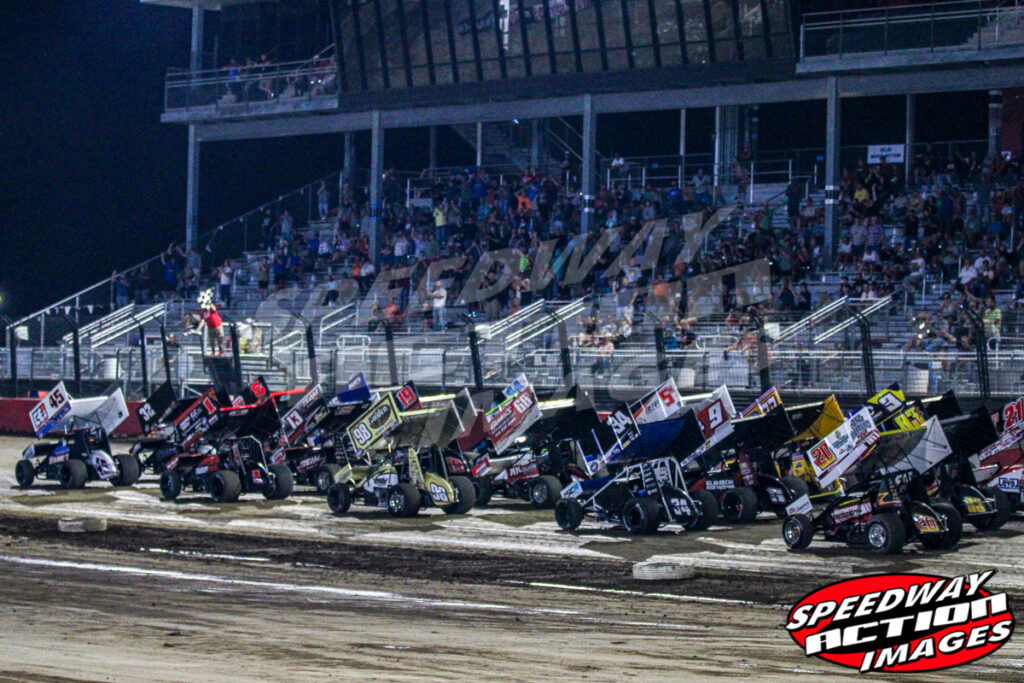
While teams grapple with maintenance and travel logistics, race fans are experiencing a parallel crunch at the ticket gate and concession stands.
- Discretionary Spending: With everyday living expenses, groceries, and utility bills remaining elevated, families are taking a much harder look at their disposable income. A weekend at the races involves more than just the general admission ticket; it includes fuel for the family vehicle, parking, pit passes, and food.
- Choosing Your Battles: Just like race teams, fans are becoming selective. Rather than attending every weekly show at their local oval, many are choosing to budget for marquee special events, crown jewel races, or annual visits by traveling national series, skipping the weekly shows in between to save money.
- Ticket Sales Impact: Tracks relying heavily on walk-up casual attendance have felt the pinch. When gate prices and travel costs rise concurrently, casual fans are the first to stay home, altering the electric atmosphere that comes with a capacity crowd.
Concession Shock: The Inflation on the Menu

It isn’t just the drive to the track or the admission price hitting fans in the wallet—it’s what happens once they walk through the gates and head to the concession stand.
- Family Night Out Math: For families making the trip to their local speedway, a night out used to be an affordable alternative to major league sports or amusement parks. Today, escalating food and beverage overhead for track operators has trickled down directly to the consumer.
- Sticker Shock: When a basic $7.00 cheeseburger and a $4.00 soft drink become standard across the concourse, feeding a family of four can easily tack an extra unexpected chunk onto the night’s budget.
- Pulling Back on Concessions: When fans are already stretched thin by high travel and ticket expenses, paying inflated prices for stadium food forces many to eat beforehand, tailgate in the parking lot, or cut back on purchases entirely—eating into a vital secondary revenue stream that local tracks rely on to survive.
Grassroots vs. National Tours: Who Feels It Harder?
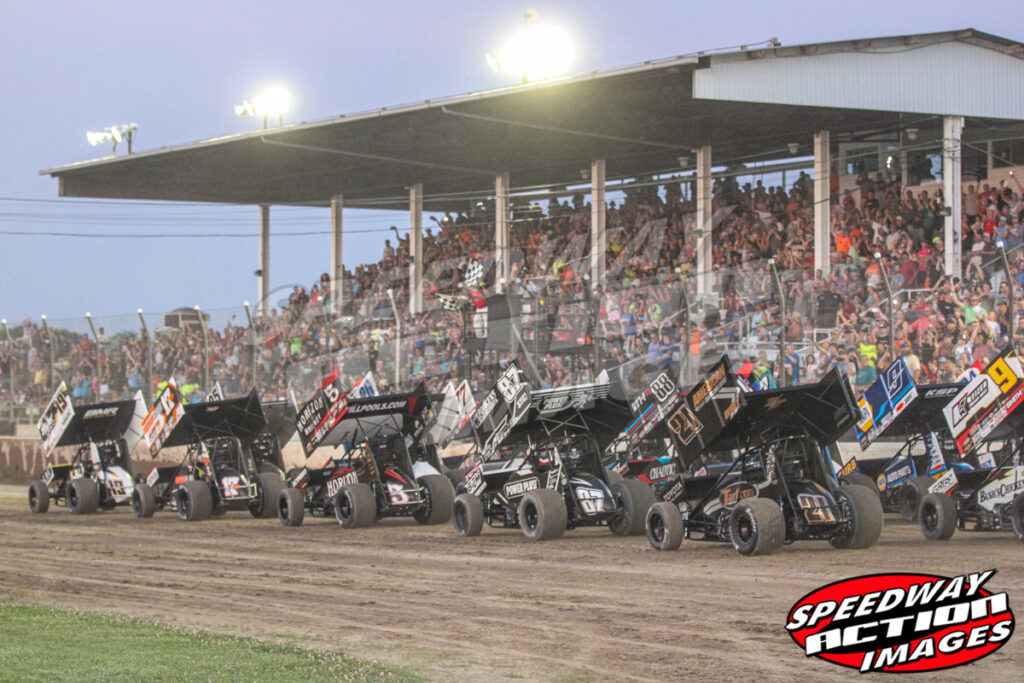
While massive national touring series capture headlines with their high-dollar operations, the economic reality hits the grassroots levels and support classes with disproportionate force.
- The Vulnerability of Weekly Support Classes: Big national touring teams often operate with dedicated corporate sponsorships, product contingencies, and larger operational buffers to help absorb sudden financial shocks. In contrast, local support divisions—from entry-level compacts and street stocks to regional truck and crate classes—rely heavily on out-of-pocket racer funding, small local business backing, and tight personal budgets. When expenses surge, these weekly hobbyists and local warriors are far more likely to park their cars entirely.
- Universal Fuel Pain: Despite the disparity in budgets, diesel and gasoline prices discriminate against no one. Whether it is a high-profile, professional Sprint Car team hauling an enclosed rig across multiple states or a local Compact driver towing an open trailer down a couple of county highways, the pump price for diesel hits everyone’s bottom line just the same, forcing difficult choices across every tier of the paddock.
Navigating the Road Ahead

Short-track racing has always been defined by its resilience. Promoters, track operators, and series directors are continuously tasked with finding creative solutions—such as streamlined race formats to save on tire wear, adjusted purse structures, and family-friendly ticketing promotions—to keep fields full and grandstands populated.
However, until the broader economic pressures on fuel, travel, and concessions ease, the ripple effects will continue to dictate strategy for both the haulers in the pits and the families in the stands. The passion for the sport remains as strong as ever, but participating in it—whether behind the wheel or in the bleachers—requires a lot more calculation than it used to.
About the Author

Discover more from Speedway Action Magazine
Subscribe to get the latest posts sent to your email.