Jim Foose/Speedway Action Magazine
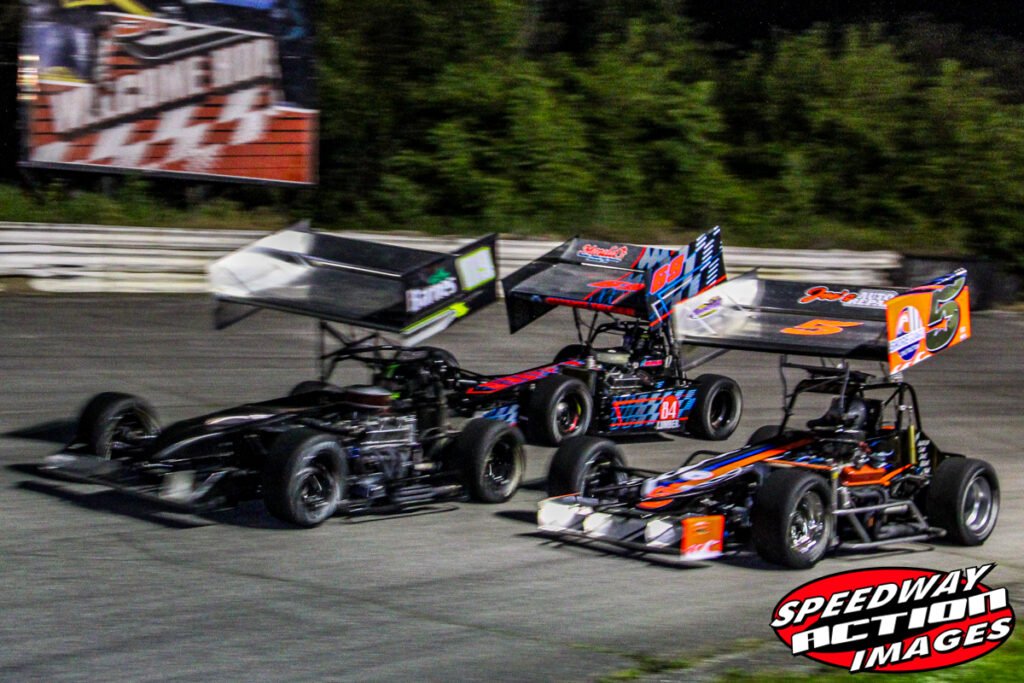
There was a time, not too long ago in the grand scheme of American motorsports, when the checkered flag falling on the final feature of the night didn’t signal the end of the show. For local short tracks in the 1980s and 1990s, the final race was merely the closing of the first act. What followed was a vibrant, chaotic, and deeply communal tradition: the post-race pit party.
Today, if you wander down to the pits after a Saturday night show, you’re likely to find a ghost town of empty asphalt and fading taillights. But for those who remember the golden era of local racing, the contrast is stark, and the culprit behind this cultural shift is surprisingly simple—the way the drivers get paid.
The Golden Era of the Pit Party
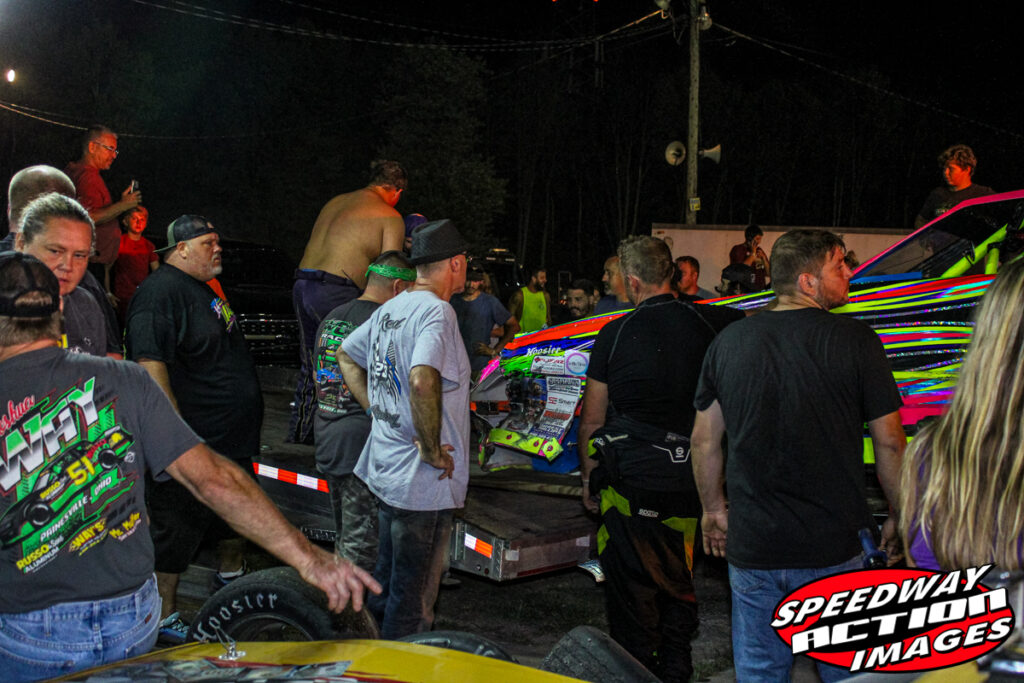
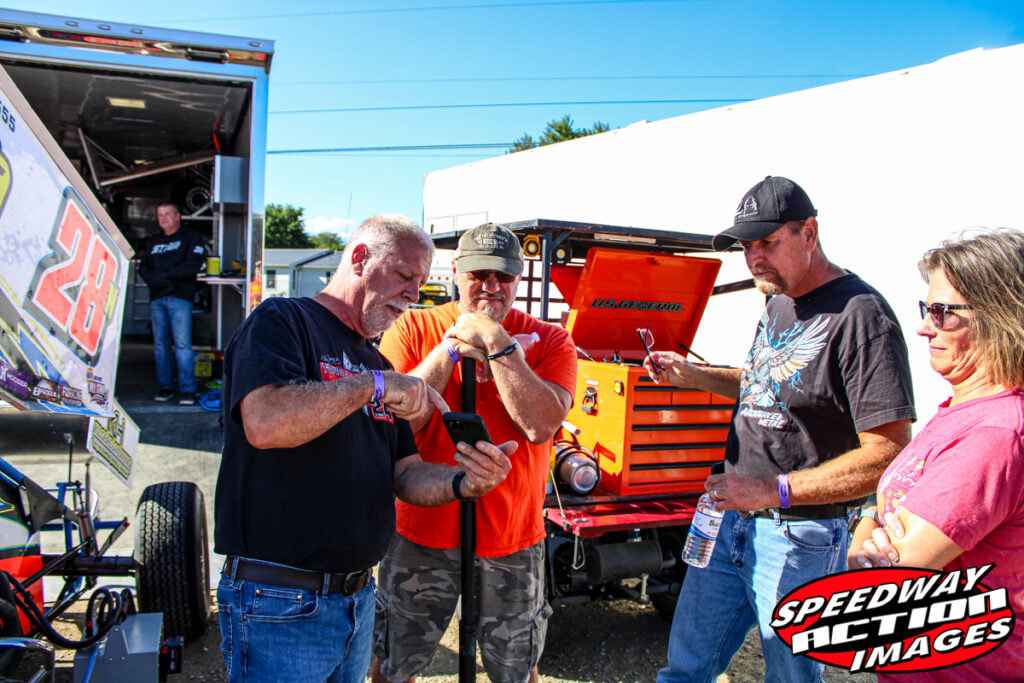
Back in the day, the atmosphere in the pit area after the races was electric. The air was thick with the smell of cooling engines, burnt racing fuel, and cheap domestic beer. Drivers wouldn’t dare leave the track until the entire program was completed. It was an unwritten rule, bound by a very practical reality, that kept the community together late into the night.
Because the haulers stayed parked, the pits transformed into an open-air festival. Track promoters would swing the gates wide open, allowing race fans—young and old—to flood down from the grandstands.
For a kid in a dirt-stained t-shirt clutching a greasy Sharpie, this was magic. You didn’t just watch the cars from afar; you could walk right up and touch the blistered right-rear tires of a Late Model. You could peer into the cockpit of a Modified, smell the oil, and stand face-to-face with the local stars who, just an hour prior, were trading paint at a hundred miles an hour. Drivers sat on the tailgates of their open trailers, handing out crinkled hero cards, sharing tall tales of the night’s battles, and tossing dented sheet metal to wide-eyed kids. It was a level of accessibility that cemented lifelong fans.
The Anchor: The Payout Shack
What kept the drivers there? It wasn’t just a sense of civic duty; it was the payout window.
In the 90s and before, race purses were paid out in cash at the end of the night. If you wanted the money you bled, sweat, and traded paint for, you had to wait for the track promoter to tally the finishes, count the gate receipts, and start handing out the envelopes. The payout shack was the anchor that kept the fleet in the harbor.
Drivers and crew chiefs would stand in line, shooting the breeze, arguing over on-track incidents, and settling scores or building friendships. But perhaps more importantly, that payout line served as a crucial point of connection between the competitors and the track itself. Reaching the window gave drivers—or their dedicated car owners—a minute or two face-to-face with the track promoter or owner. It was a brief but vital exchange. They could shake hands, share their mutual appreciation for putting on a good show, and interact personally. Because of that physical transaction, promoters actually knew their drivers’ faces. It forged a personal, working relationship built on mutual respect and shared investment in the track’s success.
While the brass talked business at the window, the crews would bust out the coolers, the fans would mingle, and the track became a lively, unified community until the wee hours of the morning.
The Shift to the Fast Lane
The turning point wasn’t a loss of passion, but the inevitable march of administrative progress. As tracks modernized and banking evolved, carrying thousands of dollars in cash to pay out at 1:00 AM became a liability. Promoters shifted to writing checks, which were often mailed out the following Monday. Eventually, this evolved into the modern standard of direct deposit.
Suddenly, the anchor was lifted.
The moment a driver received their payout digitally or knew a check was in the mail, the logistical necessity of staying late vanished. The financial transaction that inadvertently fostered a beautiful community tradition—and that guaranteed face time between promoters and racers—was gone.
The Modern Aftermath
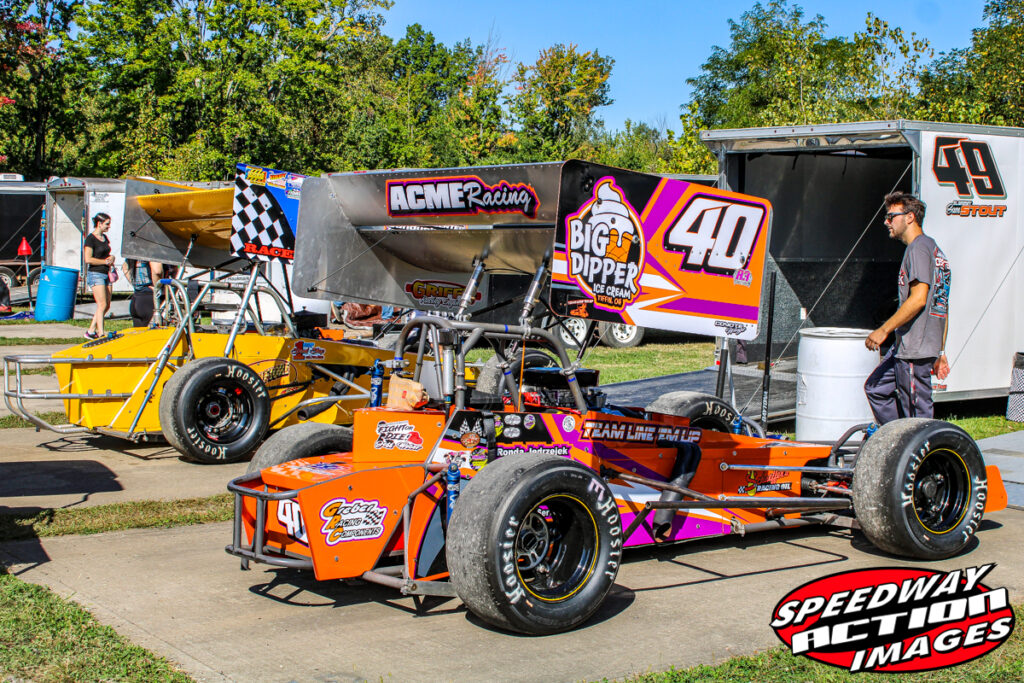
Today, the culture of the pits is a race of its own: the race to the highway. Time is money, and sleep is precious. If a driver crashes out in a heat race, their car is winched into the enclosed hauler, and they are out the back gate before the feature event even lines up. Even the feature winners are often throwing their cars onto the liftgates before the grandstands have fully emptied.
By the time the program concludes and fans are invited down to the pits, there are often only a handful of stragglers left sweeping up their stalls. The coolers are closed, the tailgates are up, and the stars of the show are already halfway down the interstate. Promoters, now looking at spreadsheets rather than looking their drivers in the eye, rarely get that post-race handshake.
While direct deposit is undeniably safer and more efficient for track promoters and teams alike, it’s hard not to mourn the unintended casualty of this progress. The post-race pit party was the beating heart of the local short track—a place where rivalries cooled, friendships formed, track owners bonded with their rosters, and the next generation of racers and fans fell in love with the sport. We gained efficiency, but we lost a little bit of the magic.
As the official 2026 health and wellness partner of Speedway Action Magazine, Recrea Health & Wellness is dedicated to helping the Northeast Ohio racing community achieve peak performance on and off the track. From advanced recovery therapies to hormone optimization and weight loss programs, their Medina clinic provides the care you need to stay energized for those long hours in the garage. Discover your optimal health at recreahealth.com.
Discover more from Speedway Action Magazine
Subscribe to get the latest posts sent to your email.