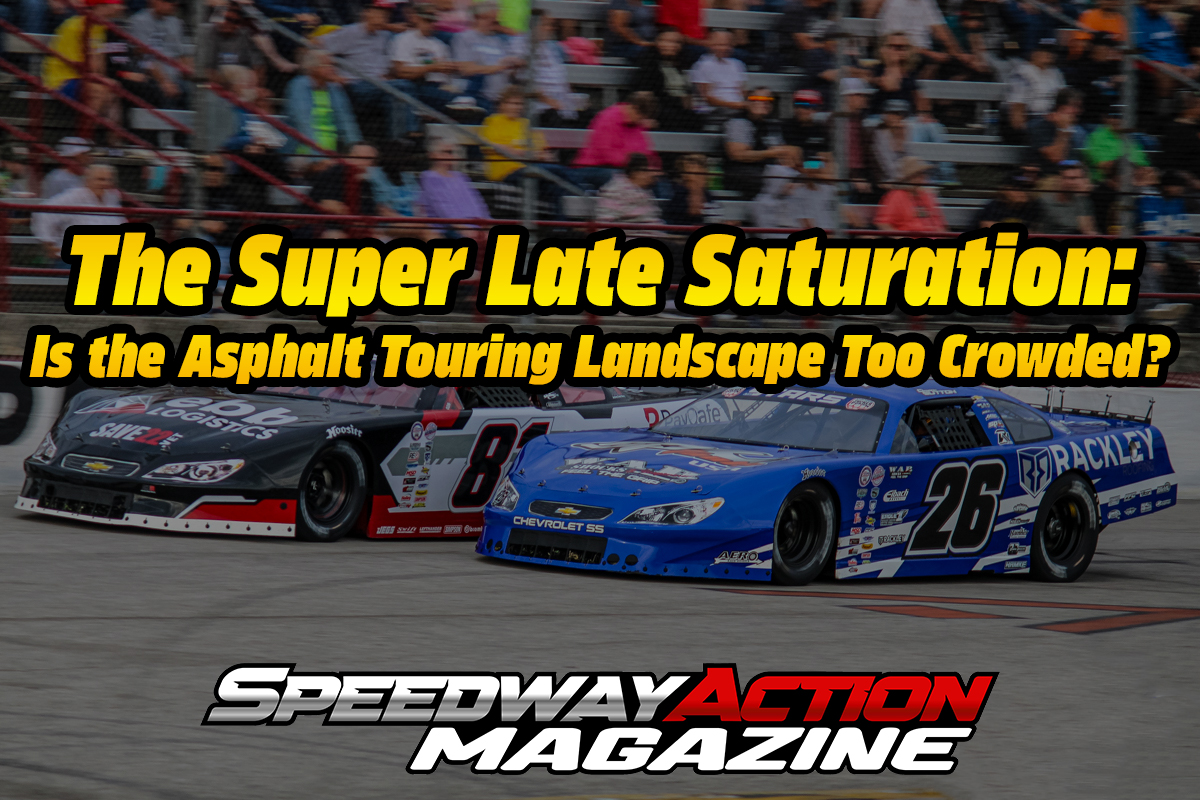
By Jim Foose – Speedway Action Magazine
The evolution of short-track racing over the last 25 years is undeniable. The media covering the sport has transitioned from selling printed photos out of a trailer to delivering high-resolution digital files instantly, and analog stopwatches have been replaced by sophisticated telemetry. But as the technology has advanced, so too has the complexity of the national touring landscape.
For veteran observers of the sport—those who have watched the industry evolve and perhaps no longer feel the need to hop over pit walls or lay on the asphalt to get the perfect action shot—there is a sense of déjà vu. The current asphalt Super Late Model scene is arguably the most talented it has ever been. Yet, a looming question casts a shadow over the pits: Is the market simply too saturated?
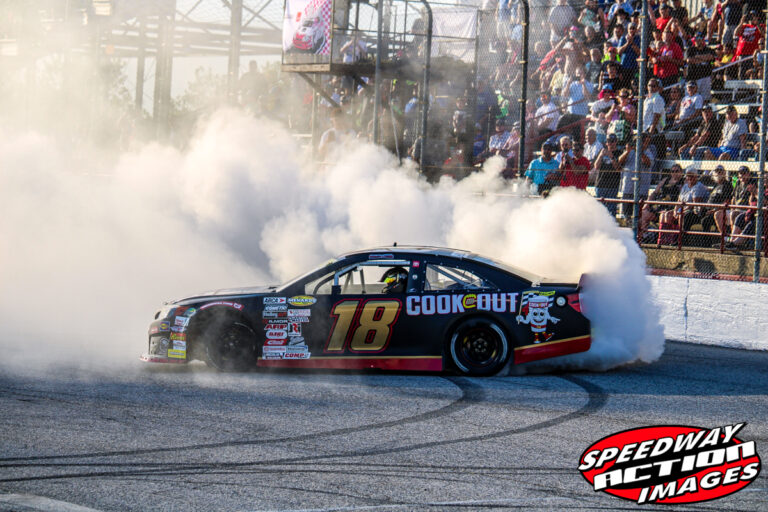
At the local level, motorsports marketing thrives on the simple promise of providing fast, affordable fun. But step up to the national Super Late Model tier, and the “affordable” aspect quickly disappears in a cloud of tire smoke and technical bulletins. For the teams, the promoters, and the journalists covering the circuits, it’s nothing personal—it’s business. And right now, the business model of Super Late Model racing is being severely tested by a fragmented landscape, highlighted by the heavyweight battle between the ASA STARS National Tour and the UARA National Series.
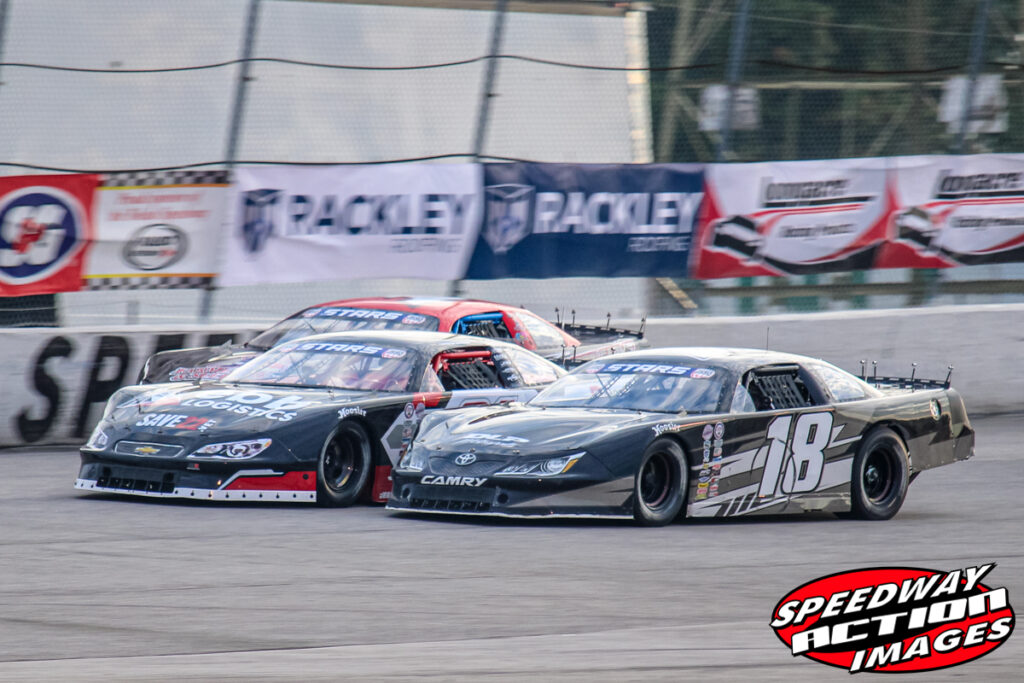
The Heavyweights: ASA STARS vs. UARA National
When Track Enterprises and Bob Sargent revived the iconic American Speed Association (ASA) brand to create the ASA STARS National Tour, the goal was to unify the highest echelon of short-track racing under one banner. It brought together regional series and aimed to crown a true national champion, utilizing historic speedways from the Southeast up through the Midwest, including iconic Ohio and Michigan venues like Toledo Speedway and Owosso Speedway.
Enter the UARA National Series. Managed by Ricky Brooks—a long-time technical inspector and short-track racing mainstay known for his strict rulebook enforcement—UARA rebranded from the SRL National to offer an alternative approach. Brooks has cultivated a devout following among racers who appreciate his technical direction and race management, creating a genuine rival for the national spotlight with marquee events like the Battle at Berlin and the Bill Bigley Sr. Memorial.
We are witnessing two titans of promotion trying to claim the same real estate, pulling from the same finite pool of heavily-funded race teams.
The Technical Divide
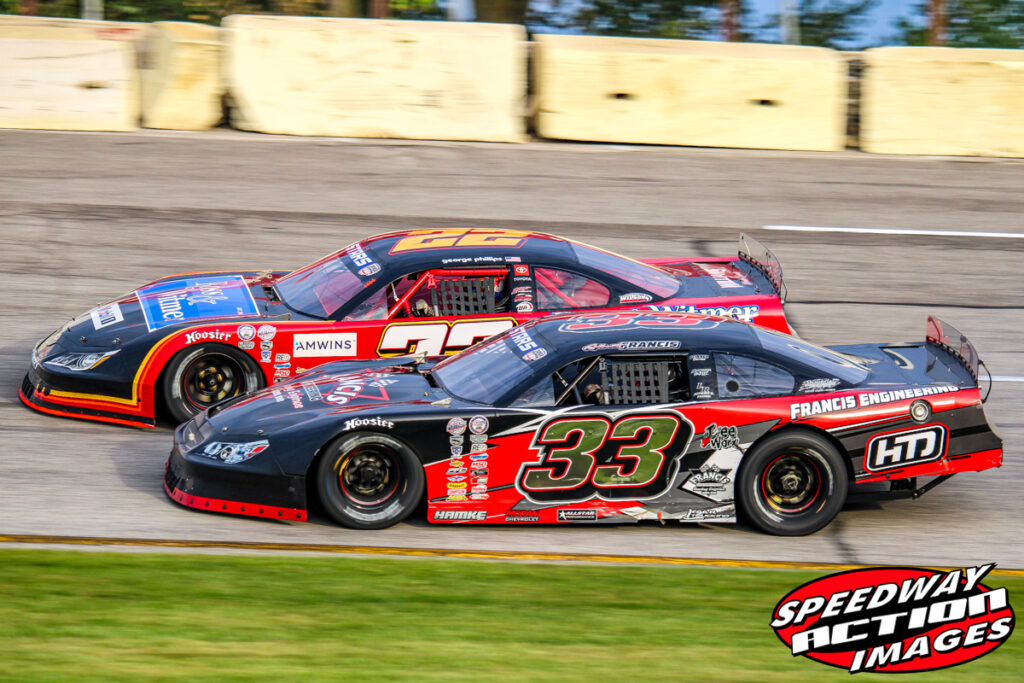
The rivalry goes far deeper than scheduling. It’s a battle fought in the rulebook, specifically under the hood.
Earlier this year, the divide became glaringly obvious when the ASA STARS Tour, working with the S.E.A.L. engine committee, informed engine builders that they would not allow entry by any power plant bearing a UARA seal. This forces drivers and teams—including heavy hitters like Cole Butcher, Ty Majeski, and Bubba Pollard—into a corner.
When rulebooks diverge, costs skyrocket. Teams are forced to maintain different setups, swap engines, or simply choose one tour over the other. The resulting fragmentation means that instead of one 40-car field packed with the best drivers in North America, fans might get two separate 20-car fields racing in different states on the same weekend.
The Impact on the Tracks
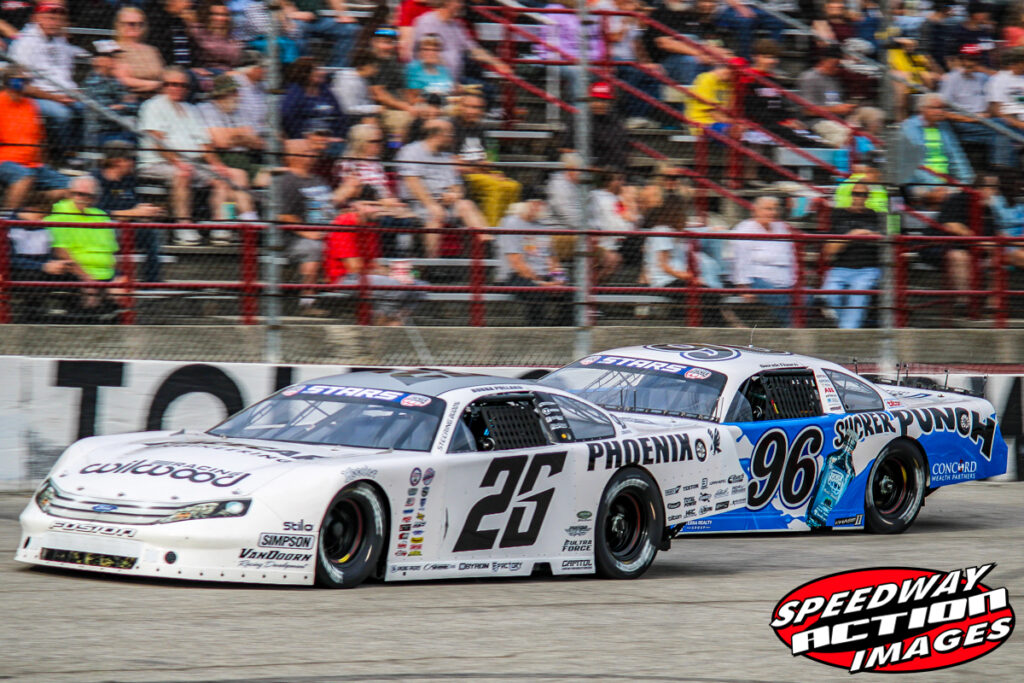
Ultimately, the saturation doesn’t just hurt the teams’ wallets; it impacts the preservation of the historic speedways themselves.
These facilities rely on the draw of massive, star-studded fields to sell tickets and keep the lights on. When a tour rolls into town with a depleted car count because a rival series is hosting a high-paying event elsewhere, the local promoter takes the hit. If the business sustainability of hosting a major Super Late Model race falters, tracks will naturally pivot to local divisions or alternative entertainment, slowly eroding the prestige of the asphalt Super Late Model class.
Conclusion: Competition or Cannibalization?
Healthy competition breeds innovation, but in a niche market, too much fragmentation leads to cannibalization. However, for the long-term health of Super Late Model racing, a bridge must eventually be built.
Whether it comes through unified engine packages, cooperative scheduling, or a shared vision for the future, the industry needs to find common ground. Because at the end of the day, keeping these historic speedways alive and keeping the fields full is the only way the sport survives the next 25 years.
About the Author

Discover more from Speedway Action Magazine
Subscribe to get the latest posts sent to your email.