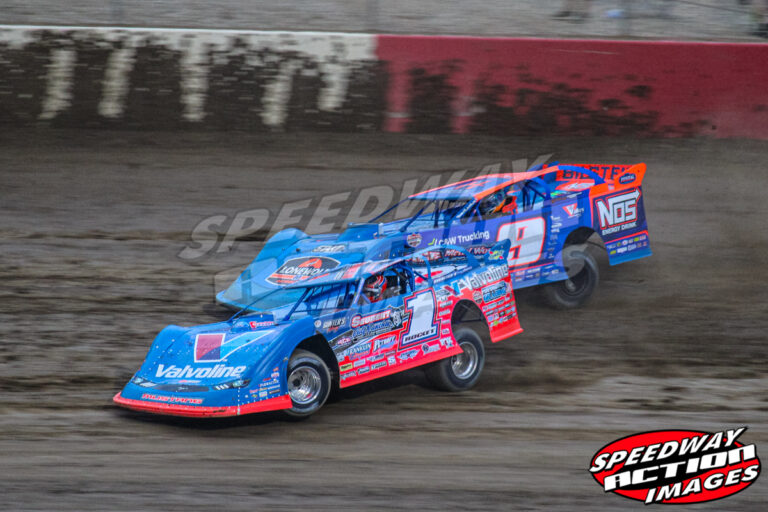
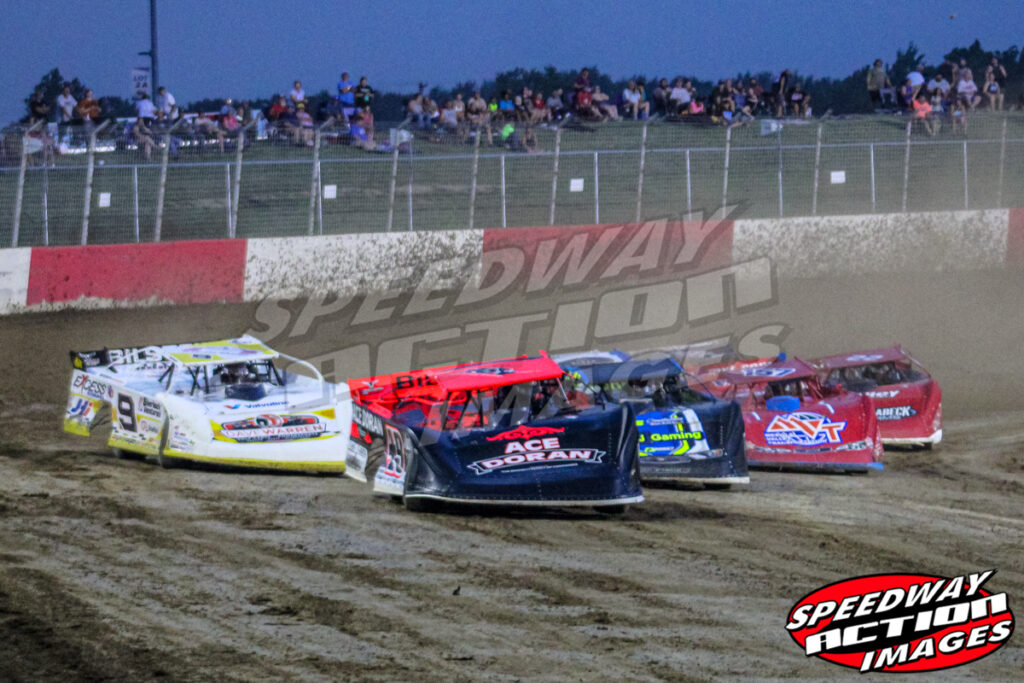
By the time the remnants of Hurricane Isaias finally cleared out of Mineral Wells, rain had heavily saturated the clay at West Virginia Motor Speedway. The resulting schedule changes for the 46th Annual Dirt Track World Championship (DTWC) have undoubtedly tested the patience of fans and race teams alike. Compressing the Lucas Oil Late Model Dirt Series program into a Saturday-Sunday format (October 17-18) and bumping the massive field of support divisions—including the UMP Modifieds, Sport Mods, and Ohio Valley Late Models—to October 24 is a massive logistical hurdle.
But despite the weather-induced headaches and division lineup shakeups, there is one undeniable truth about this weekend: the Dirt Track World Championship belongs right here in the Mountain State.
To understand why this event’s presence at WVMS feels so spiritually correct, you have to look back at the origins of the DTWC. Long before the era of multi-track streaming networks and corporate mega-facilities, promoter Carl Short had a wild gamble of an idea. In 1981, he announced a new crown jewel event at Pennsboro Speedway, offering a staggering $30,000 to win. People thought Short was crazy. Pennsboro was a notoriously narrow, irregular, egg-shaped half-mile fairgrounds track with limited space, a legendary bridge, and rustic infrastructure.
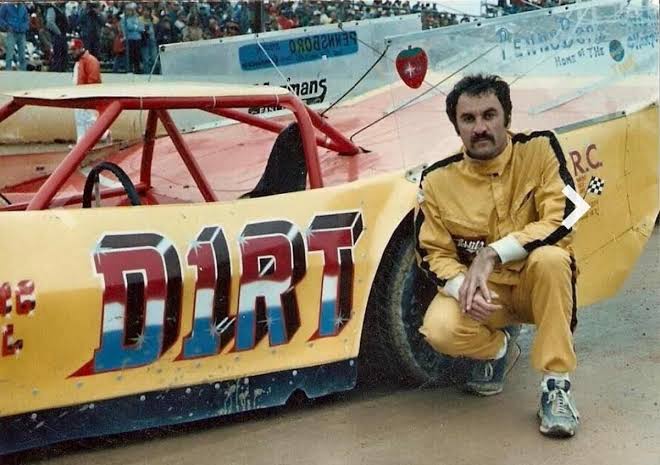
Yet, nearly 100 cars showed up to try and conquer it. That inaugural race birthed one of dirt late model racing’s greatest Cinderella stories when Ohio schoolteacher Jim Dunn shocked the field by taking the win and the massive payday. Over the next 15 years, Pennsboro became the defining battleground for late model superstars. Legends like Freddy Smith, Jack Boggs, Billy Moyer, and Ronnie Johnson cemented their household names at the track. Winning the DTWC meant beating the best drivers in the country, but first, you had to beat Pennsboro itself.
As the sport evolved—and the speeds and physical demands of modern dirt late models outgrew the rustic confines of Pennsboro—the DTWC became a traveling showcase. It built a strong modern legacy during a long residency at Ohio’s Portsmouth Raceway Park, where drivers like Brandon Sheppard stamped their names in the record books by winning the event four times. The championship even made a stop at the legendary Eldora Speedway in 2023.
But no matter where the race traveled, it always carried the DNA of those early days in West Virginia. The DTWC was built on the core premise of bringing the biggest names in dirt racing into the Appalachian hills for a grueling, high-stakes battle.
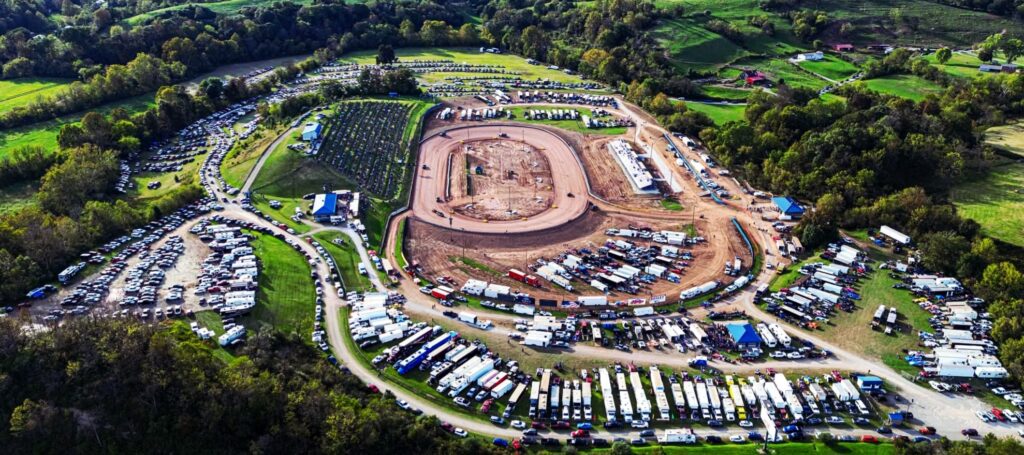
That is exactly why its 2026 home at West Virginia Motor Speedway is the perfect modern venue. Under the guidance of owner Mike Hurley, the track has seen an incredible revival, transitioning from a dormant 5/8-mile giant to a reconfigured, high-banked third-mile clay oval that demands intense driver skill and heavy throttle. WVMS strikes the perfect balance: it possesses the professional scale and facilities needed to host the massive Lucas Oil Late Model Dirt Series season finale, but it still retains the raw, undeniable character of a West Virginia short track.
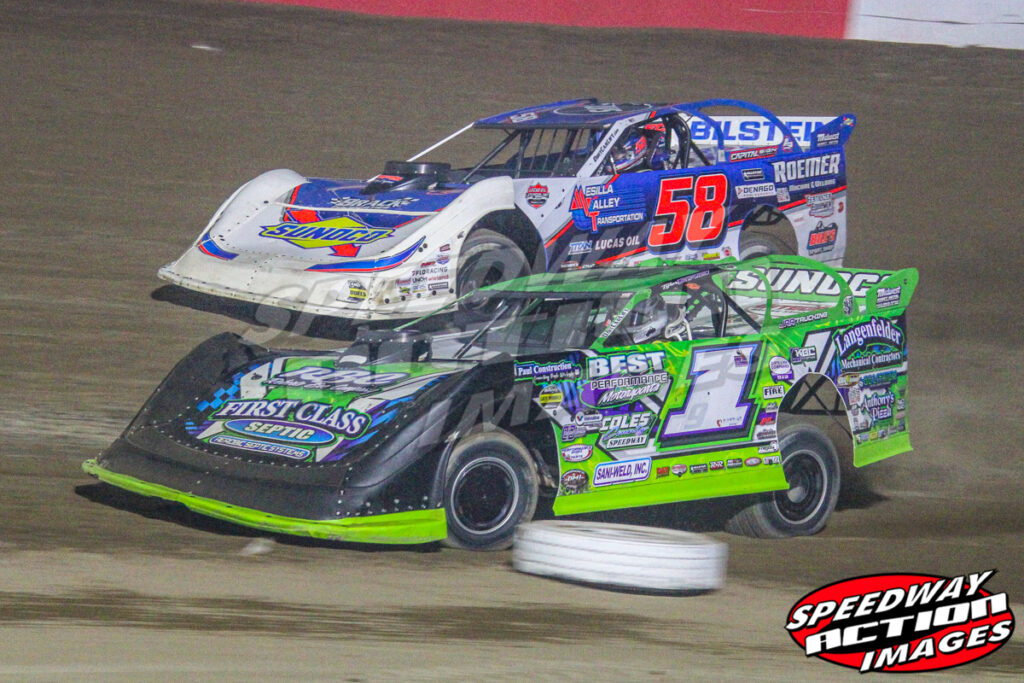
The $100,000-to-win purse on the line this Sunday is a direct descendant of that original gamble Carl Short took back in 1981. The format may look slightly different this year, but when the engines fire on Sunday for the 100-lap championship feature, the delays won’t matter.
The weather may have washed out Thursday and Friday, but it can’t wash away the history. The Dirt Track World Championship has come home.
About the Author

Discover more from Speedway Action Magazine
Subscribe to get the latest posts sent to your email.