For decades, the allure of open-wheel short track racing has been defined by raw, unrestricted horsepower. But as the cost of unlimited engine programs escalated, local and regional teams found themselves priced out of the pits, leading to dwindling car counts and predictable runaway victories. In response, a quiet revolution has taken over the Midwest over the last decade: the rise of “limited engine” and equalization-based racing series.
By capping cubic inches, embracing factory-sealed crate packages, and utilizing clever tire rules to balance the field, these divisions have leveled the playing field. The result is a resurgence in open-wheel car counts, thrilling wheel-to-wheel action, and a sustainable business model for Saturday night venues across the region.

The Spark at Lorain Raceway Park
The seeds for this movement in Northern Ohio were planted in the mid-2010s when Crate Sprints first gained a foothold at Lorain Raceway Park. At a time when traditional sprint car budgets were skyrocketing, the introduction of a more affordable, spec-engine formula offered a critical lifeline to local racers. It proved that drivers didn’t need a massive checkbook to put on a spectacular show for the grandstands. That early experiment at Lorain helped validate the limited-engine concept, proving that close, competitive racing is what truly draws fans to the ticket booth—not just astronomical horsepower numbers.
The Tri-State Sprint Car Series
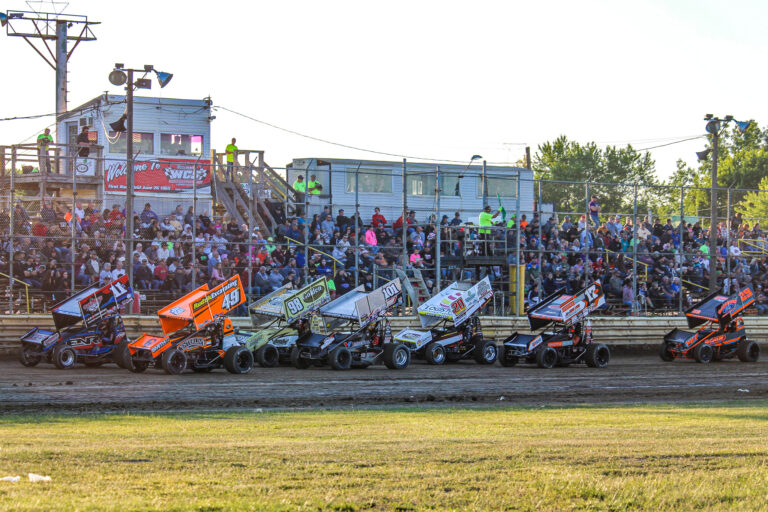
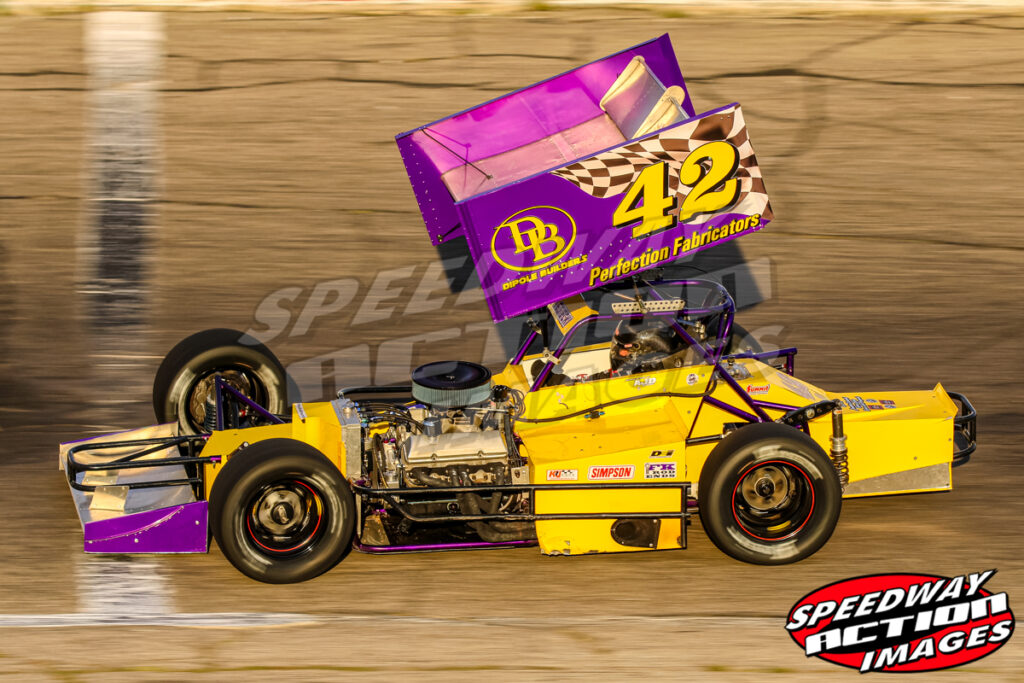
Rather than forcing every team into a single engine mold, the Tri-State Sprint Car Series has carved out its niche in the region through a smart, multi-tier equalization formula that brings different open-wheel combinations together on the same track.
Under the Tri-State rules, Sprint Cars are permitted up to 410 cubic inch engines, while Supermodifieds are limited to 360 cubic inches. The great equalizer between the two is rubber: both the Sprint Cars and the Supermodifieds are required to run on a 10-inch tire. Limiting the tire footprint keeps the horsepower in check, forcing drivers to rely on throttle control, momentum, and chassis setup rather than simply overpowering the competition down the straightaways.
Adding another layer of accessibility to the division, Light Sprints—powered by the budget-friendly Crate GM 602 engine—are permitted to run a bigger right-rear tire to equalize the competition. By trading horsepower for added bite and corner speed, the 602 crate teams can hold their own against the bigger engine cars. It is a creative approach to parity that keeps car counts healthy and gives racers with varying budgets a legitimate shot at running up front.
The Outlaw 350 Supermodified Sprint Series
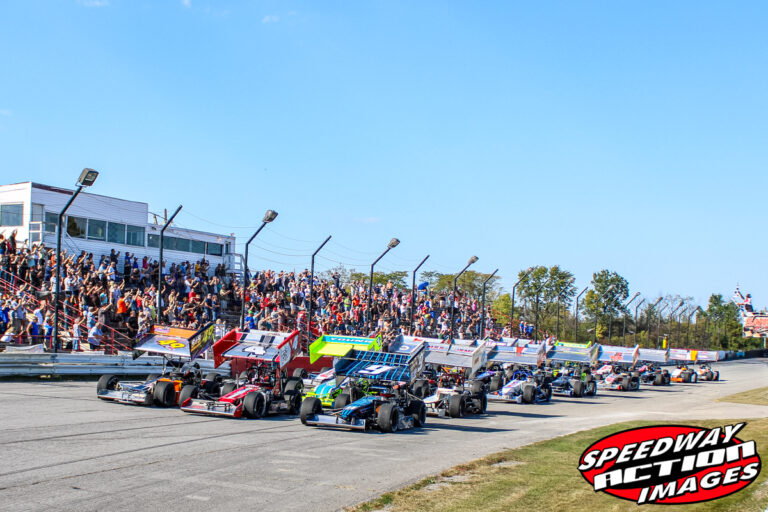
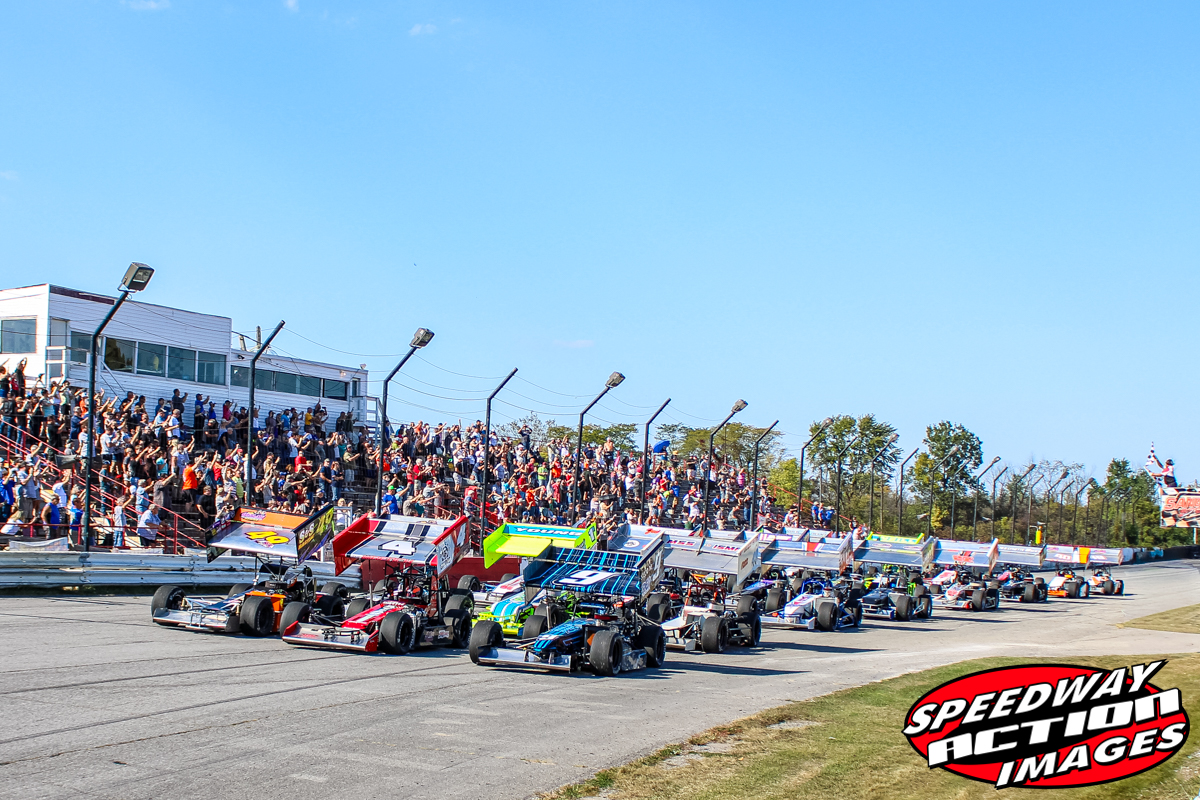
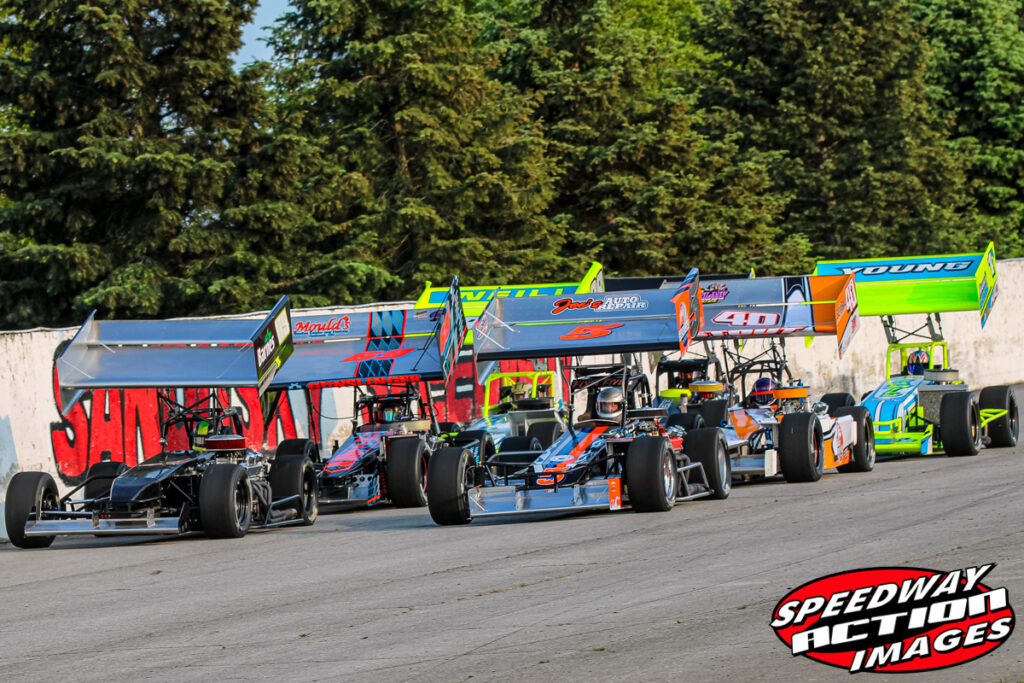
Perhaps the most unique evolution of the limited-engine philosophy in the Midwest is the Outlaw 350 Supermodified Sprint Series (OSS). Since its inception in 2023, the Greg Willis/Howard Hanna-backed series has turned heads by pitting 350-cubic-inch Supermodifieds directly against Sprint Cars on the same racing surface.
The OSS has quickly established itself as a premier regional tour, turning staples like Sandusky Speedway and Lorain Raceway Park into battlegrounds for some of the best open-wheel talent in the Midwest. The 350ci engine limit serves as a strict equalizer, allowing the lightweight sprint cars to challenge the downforce-heavy supermodifieds. It is a formula that rewards precision and strategy, as evidenced by the fierce championship battles between drivers like Todd Buchanan in the #5 and Two-time Champion Danny Shirey.
The series’ expanding footprint further underscores the viability of the limited-engine model, with the 2026 schedule that featured high-profile stops at Shady Bowl Speedway, Indiana’s Anderson Speedway, a return to Flat Rock Speedway, and a debut at the blazing-fast Toledo Speedway. With veterans like Frank Neill battling alongside rising contenders such as Sawyer Stout in the ACME Racing #40 and former Must See Racing Midwest Lights Champion JJ Henes, the depth of the roster continues to grow.
The Road Ahead
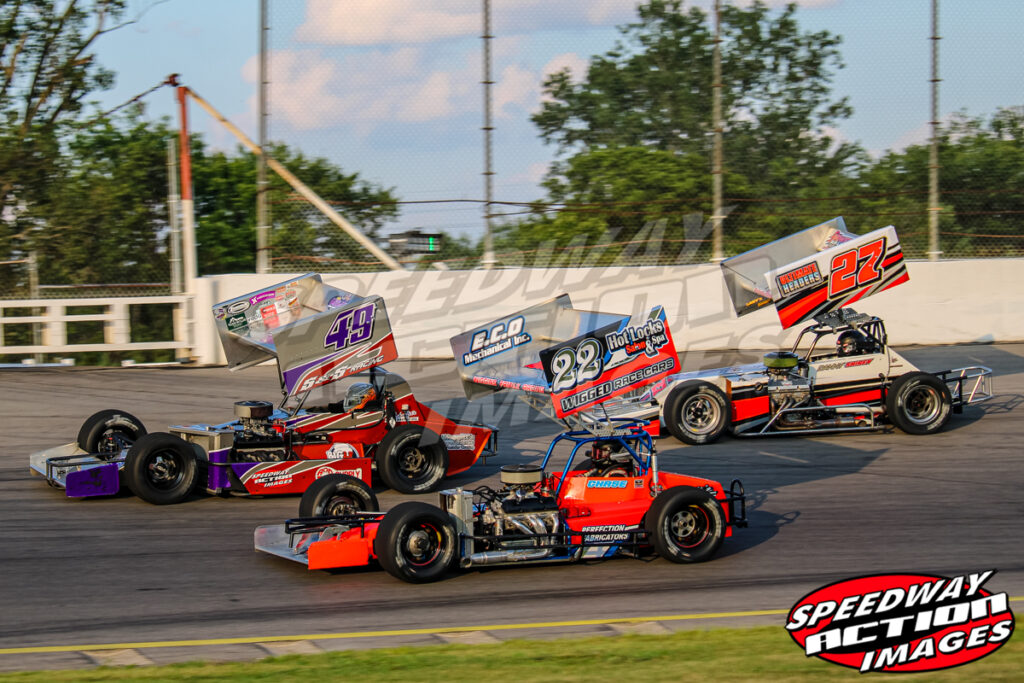
The success of limited and equalized open-wheel divisions is not a temporary trend; it is a blueprint for the future of grassroots motorsports. Whether through strict displacement caps like the Outlaw 350 Supermodified Sprint Series or the clever engine-and-tire balancing act of the Tri-State Sprint Car Series, promoters are successfully shifting the focus back to the driver’s seat. As long as the rules keep racing affordable for the competitor and intensely competitive for the fan, this movement will continue to thrive across the Midwest. The future might not be about new track records, it might be full of close competition and affordable racing series like the Outlaw 350 Supermodified Sprint Series and Tri-State Sprint Car Series.

About the Author

Discover more from Speedway Action Magazine
Subscribe to get the latest posts sent to your email.