For the past couple of years, the International Hot Rod Association (IHRA) has been on an aggressive expansion path. Backed by massive investments and high-profile partnerships, the organization has been acquiring tracks and beefing up race purses to seemingly revive the golden era of drag racing. But as the dust settles on some of these acquisitions, a new, unexpected narrative is emerging from the pits: what if these massive swaths of asphalt and grandstands aren’t destined for 10,000-horsepower dragsters, but for massive server farms?
A closer look at the real estate moves, the corporate players involved, and the insatiable demand for AI infrastructure suggests that IHRA’s track shopping spree might actually be a stealthy land grab for tech companies.
The Heartland Park Clue and the Phantom Listing
The most glaring red flag waving over the drag racing community is the fate of Heartland Park in Topeka, Kansas (officially Heartland Motorsports Park). The legendary 621-acre facility, which closed its gates in 2023, was heavily rumored to be a cornerstone of the IHRA’s motorsports revival. Instead, the property recently hit the commercial market with a completely different objective.
Commercial real estate giant CBRE had the Heartland Park redevelopment site explicitly listed for sale as an “Immediate Data Center Opportunity.” The listing didn’t brag about the drag strip’s historic quarter-mile records; instead, it highlighted the 345 kV transmission line running directly through the site, an on-site natural gas pipeline, and proximity to regional fiber networks. Drag strips, by their nature, are built on massive acreage away from residential zones but often close to major power grids and industrial infrastructure — making them turnkey goldmines for data center developers.
However, the plot thickened significantly on Monday, July 13th, when CBRE abruptly removed the listing from its website. The sudden deletion comes amid swirling rumors regarding the outright demise of the IHRA, which recently cancelled several national events and is currently facing pending litigation over breach of contract. To this day, it remains entirely unclear how or why the highly detailed data center listing made it onto CBRE’s site in the first place, or who authorized its removal. Was it an accidental leak of a master plan, or a premature trigger pull by a real estate broker?
Canceled Events and Vanishing Tracks
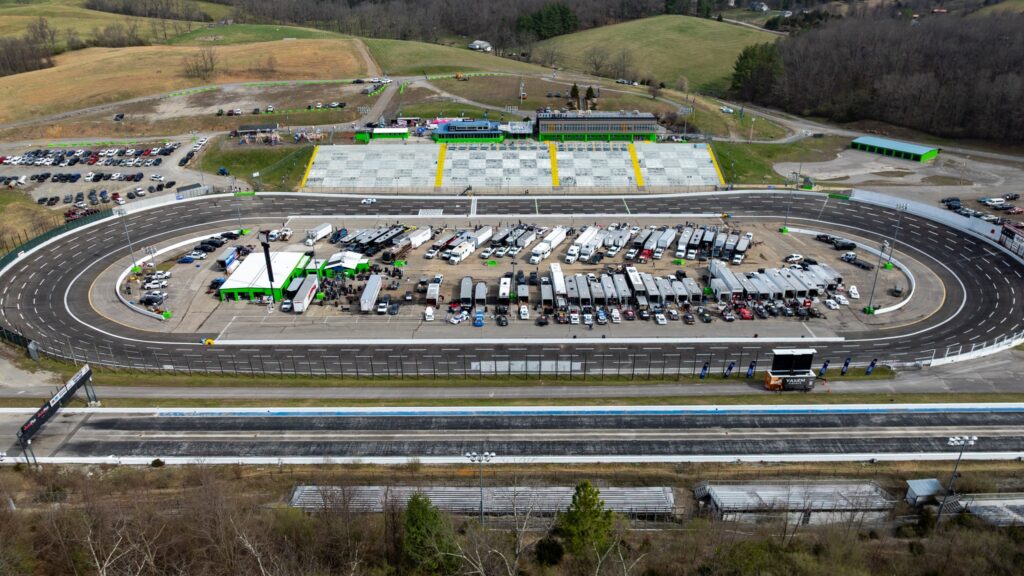
Adding to the suspicion is the sudden collapse of IHRA’s heavily promoted racing calendar. Over the past several weeks, the organization has abruptly canceled multiple major events, most notably pulling the plug on the remainder of the 2026 IHRA Nitro Drag Racing Series and the highly anticipated IHRA Stock Car Series. The official explanations point to a “strategic refocus” on grassroots racing, but the vanishing act extends to the tracks themselves. For instance, the former Memphis International Raceway—which Darana Hybrid had allegedly planned to renovate—quietly disappeared from all IHRA schedules over a month ago. With major series scrapped and promised track renovations seemingly stalled, skeptics are left wondering if the racing calendar was merely a temporary facade to hold the properties until the real estate could be repurposed.
The Darana Hybrid and Elon Musk Connection
If track infrastructure is the true motive, who is the buyer? The most glaring connection lies with IHRA’s own owner and major backer: Darana Hybrid.
Darryl Cuttell, CEO of Darana Hybrid and owner of the IHRA, has been positioned as a savior for grassroots racing. However, Darana Hybrid isn’t a traditional automotive brand — it is an international electro-mechanical contractor specializing in massive industrial builds.
More importantly, Darana Hybrid has direct and highly lucrative ties to Elon Musk. When Musk’s xAI company began building “Colossus,” a massive artificial intelligence supercomputing facility in Memphis, Tennessee, Darana Hybrid was the contractor pulling the multi-million dollar permits and tasked with building out the electrical and mechanical systems for the site.
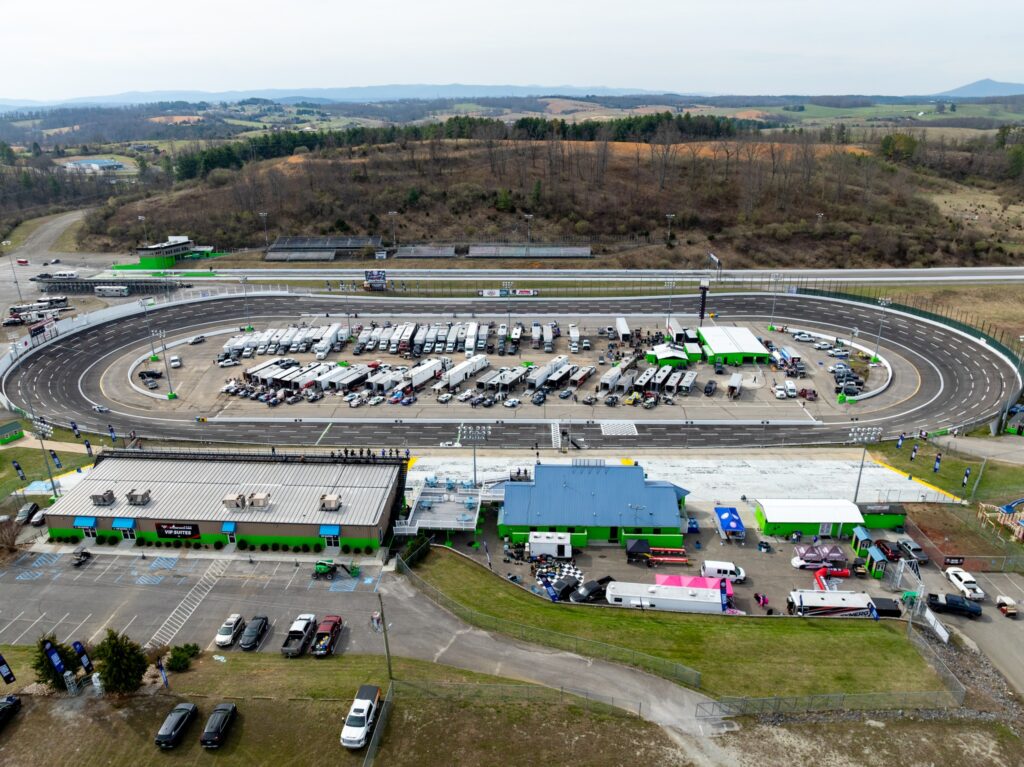
This connection has sent the rumor mill into overdrive. In racing circles and online forums, speculation is mounting that Cuttell and Darana Hybrid could be acting as a straw buyer or front for tech giants like Musk. When inspecting potential track acquisitions, scouting teams have reportedly spent less time looking at the racing surface and more time flying drones to survey the total acreage and electrical grid capacity.
The Perfect Cover Story?
Building a billion-dollar data center requires hundreds of acres of cheap land, immense power availability, and minimal zoning pushback from neighbors. Abandoned or struggling drag strips fit this profile perfectly.
Acquiring these tracks under the guise of “saving motorsports” allows buyers to quietly secure prime real estate without triggering the massive price hikes that usually accompany rumors of an impending Big Tech project. If a tech giant can buy a struggling raceway for a few million dollars, sit on it while keeping up appearances, and eventually flip it into a high-capacity AI training ground, the return on investment is staggering.
While the IHRA and Darana Hybrid have publicly promoted their commitment to drag racing, the brief but highly detailed transformation of Heartland Park into a CBRE data center listing is a hard reality to ignore. As the AI arms race demands more power and more space — and as the IHRA’s own future looks increasingly shaky — the true finish line for these historic tracks might not be a racing championship, but a server rack.
About the Author

Discover more from Speedway Action Magazine
Subscribe to get the latest posts sent to your email.