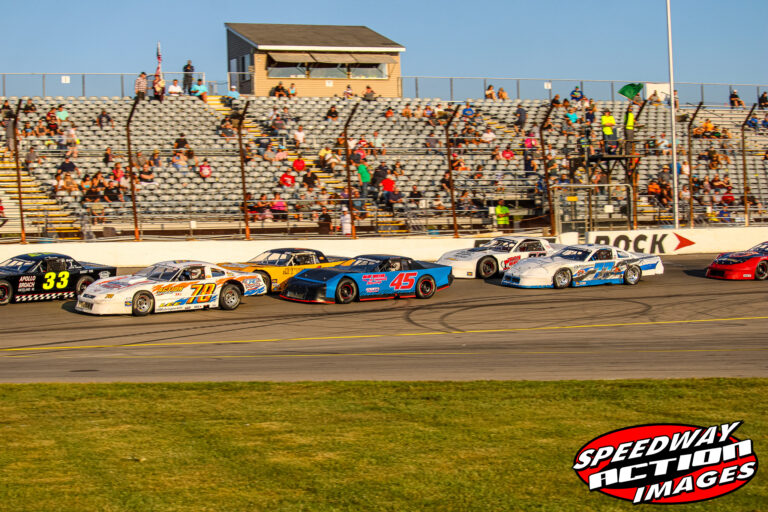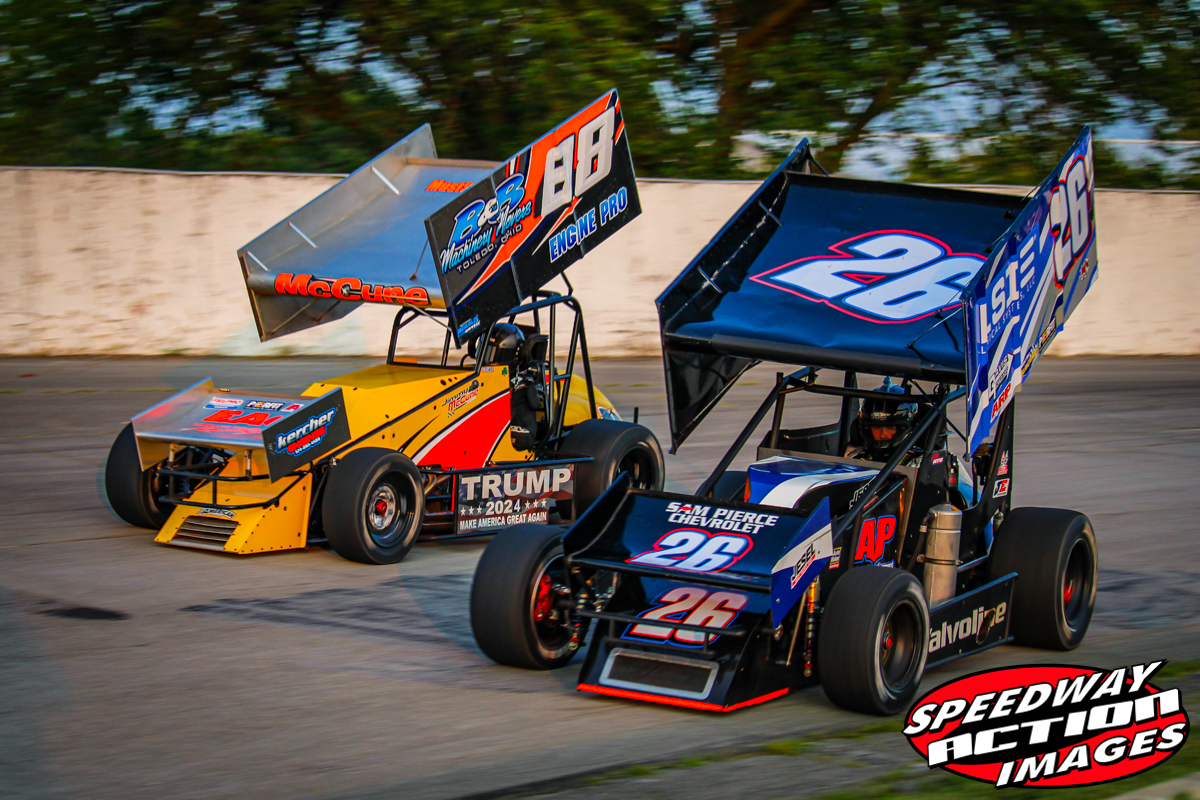
For the better part of sixteen years, Must See Racing was the undisputed gold standard for winged pavement sprint car action across the Midwest and beyond. When the hauling rigs rolled into the pit area at facilities like Berlin or Anderson, fans knew they were in for a masterclass in speed. But ever since founder Jim Hanks unexpectedly sold the series and stepped away this past March, the organization that once prided itself on presenting the “World’s Fastest Short Track Cars” has been fighting a severe mechanical failure in the front office.
The silence has been deafening. A series that once boasted a relentless promotional machine and a heavy social media presence has suddenly gone dark, leaving drivers, track promoters, and die-hard short-track fans entirely in the dark. The transition in ownership, occurring just weeks before the green flag was supposed to drop on the 2026 season, appears to have completely stalled the momentum Hanks spent over a decade building.
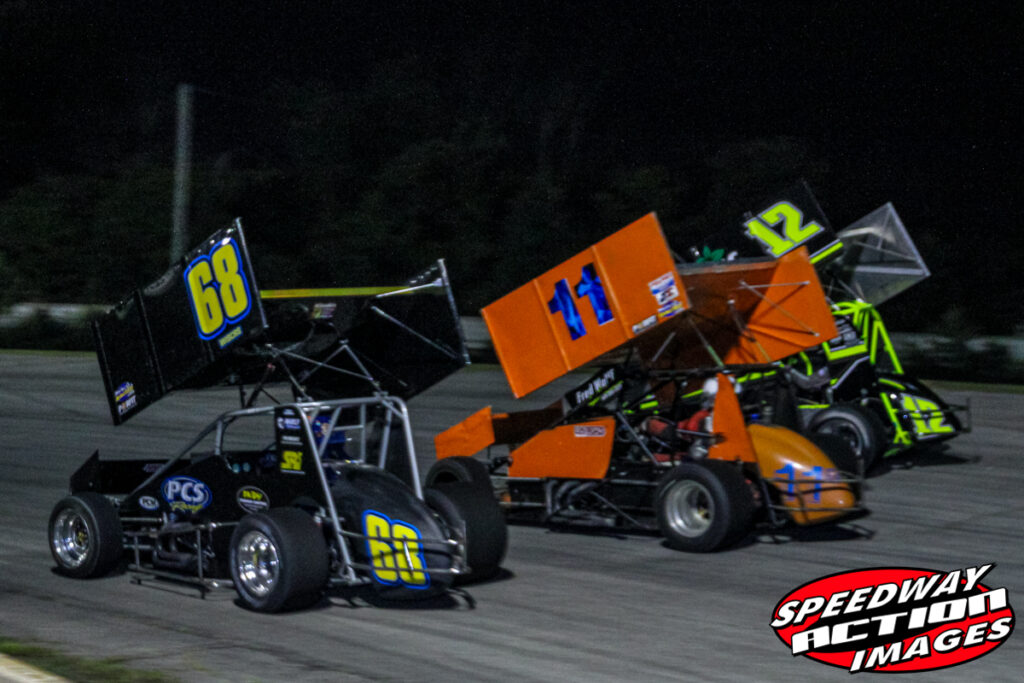
That sudden loss of drive came to a painful head with the recent cancellation of the highly anticipated CANUSA Shootout at Delaware Speedway in Canada. What was supposed to be a historic, high-profile international showcase for the 410 pavement winged warriors instead became another casualty on a shrinking schedule. While the series had previously touted a “Quality over Quantity” strategy for 2026—an effort to help family-owned sprint car teams manage travel costs and preserve their elite equipment—it’s hard to sell quality when the marquee events simply disappear from the calendar.
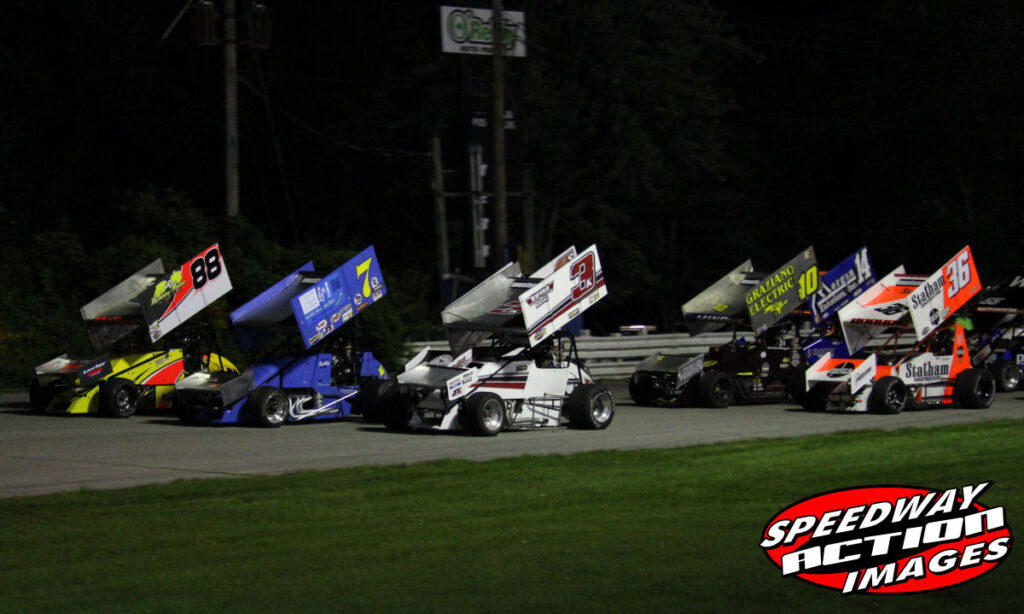
In the pit areas and grandstands of the local Midwest tracks, the frustration is palpable. The whispers have already started, with some insiders mockingly rebranding the organization as “Might See Racing.” It is a harsh moniker, but in the unforgiving world of short-track racing, loyalty is earned through consistency, transparency, and delivering on promises. Right now, the series is struggling on all three fronts.
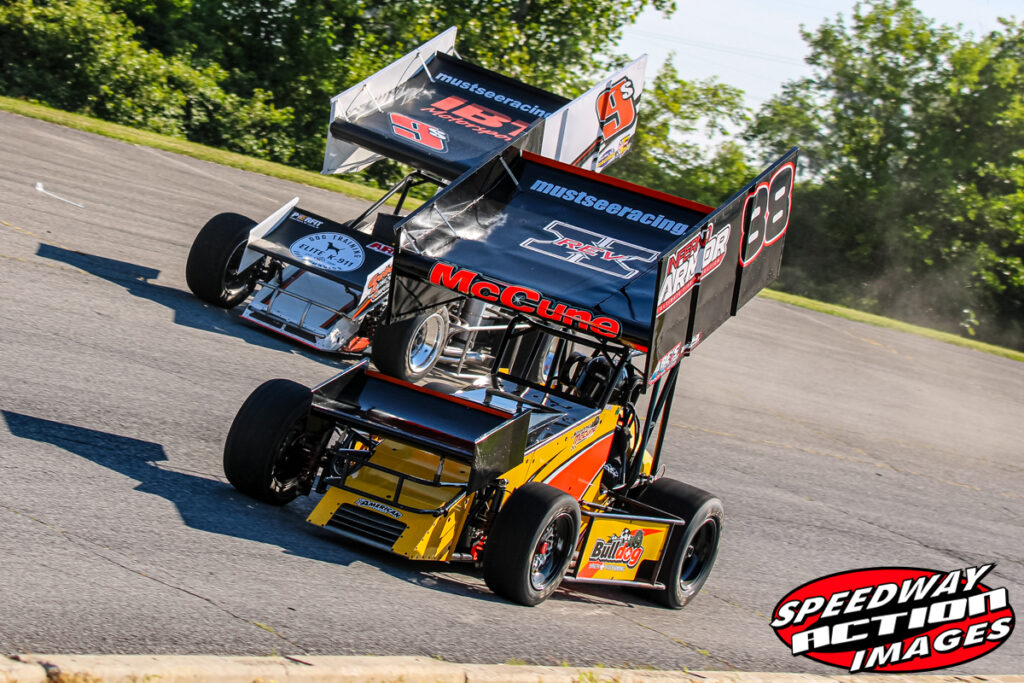
The 410 winged sprint cars are simply too spectacular to be sidelined by organizational chaos. Teams have invested heavily in this specific brand of high-octane asphalt racing, and they need a stable, communicative sanctioning body to justify those costs. If Must See Racing hopes to survive this transition and shed its new nickname, the current leadership needs to step up to the microphone, salvage the remaining dates, and prove they still have the horsepower to run up front.
About the Author

Discover more from Speedway Action Magazine
Subscribe to get the latest posts sent to your email.