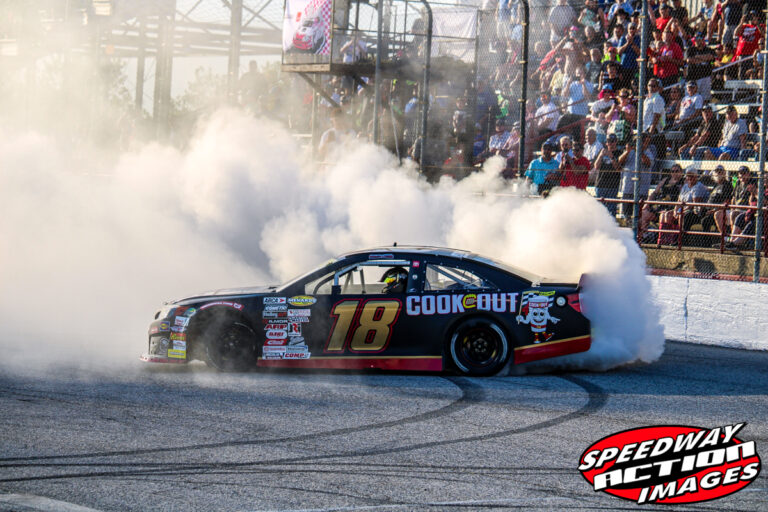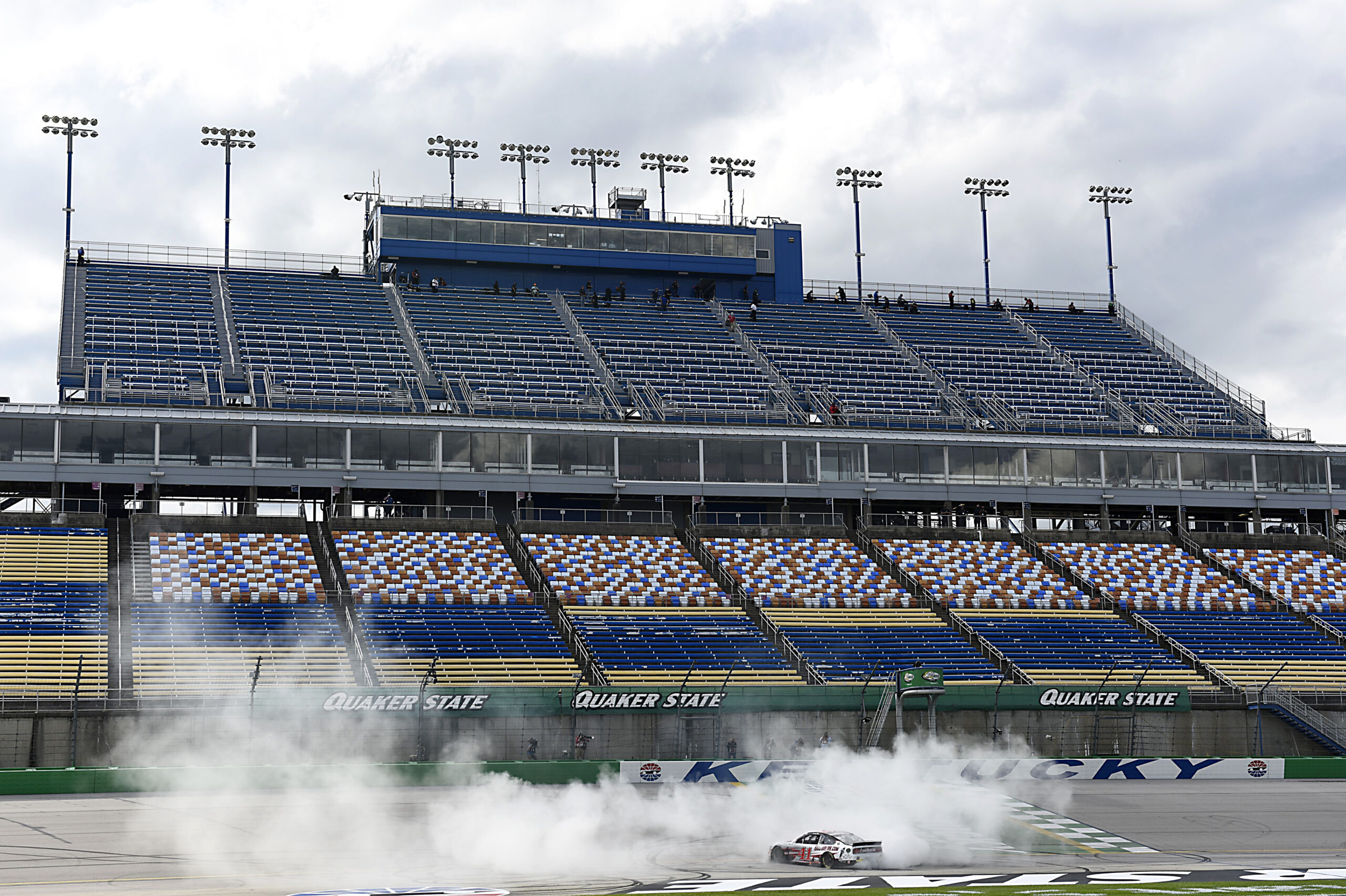
SPARTA, KENTUCKY - JULY 12: Cole Custer, driver of the #41 HaasTooling.com Ford, celebrates with a burnout after winning the NASCAR Cup Series Quaker State 400 Presented by Walmart at Kentucky Speedway on July 12, 2020 in Sparta, Kentucky. (Photo by Jared C. Tilton/Getty Images)
By Jim Foose – Speedway Action Images
“I forgot about Kentucky Speedway. Most people have.” – Mike Joy
When NASCAR on Fox commentator Mike Joy uttered those words during the Talladega broadcast—correcting an earlier remark regarding Cole Custer’s thrilling victory at the 2020 Quaker State 400—it felt less like a simple slip of the tongue and more like a eulogy.
It was a stark, sobering moment of live television that captured the fleeting nature of motorsports history. How does a massive, state-of-the-art facility that once caused infamous, miles-long traffic jams due to overwhelming fan demand simply fade from the collective consciousness of the racing world?
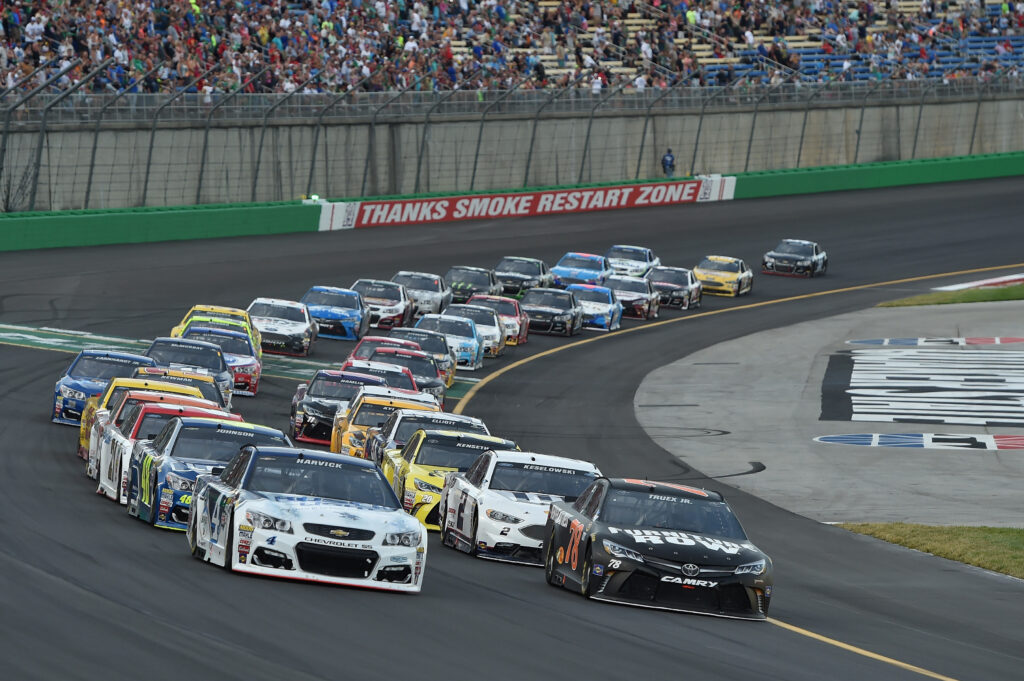
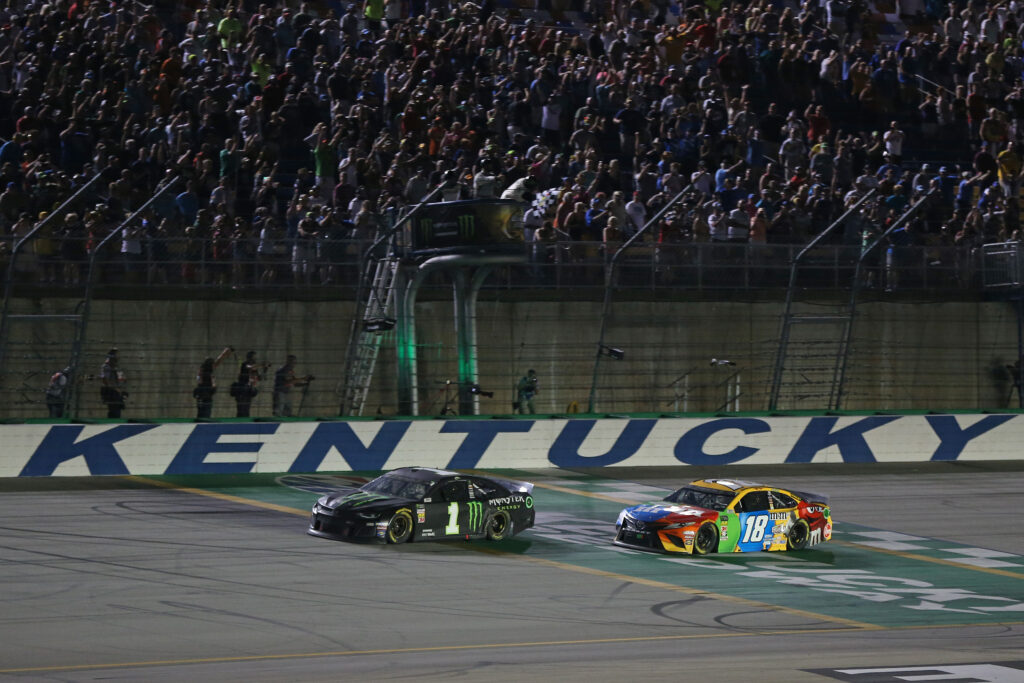
The story of Kentucky Speedway is a strange chapter in modern racing. Nestled in Sparta, the 1.5-mile tri-oval was supposed to be the crown jewel of a new era of expansion. When the Cup Series finally arrived in 2011, the excitement was palpable. And in its final Cup Series act in 2020, it delivered one of the most spectacular finishes in recent memory: Cole Custer taking the checkered flag after a breathtaking four-wide pass on the final lap.
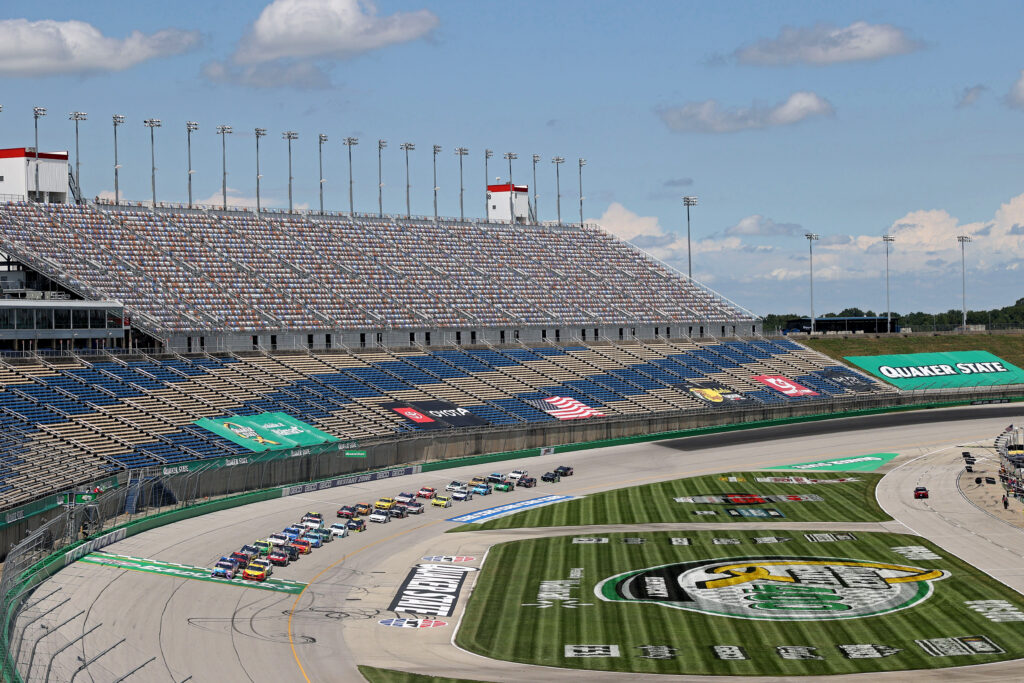
Yet, just a few short years later, the track is largely a ghost town.
When we talk about the changing landscape of motorsports facilities, the conversation usually centers on preserving historic, regional short tracks—the lifeblood of Saturday night racing. We expect those grassroots venues to fight for survival against urban sprawl and changing economies. But seeing a sprawling, modern superspeedway with a 100,000-seat capacity go quiet is a different kind of shock to the system.
Since NASCAR quietly removed Kentucky from the schedule following the 2020 season, the facility has found itself repurposed in ways no race fan ever wanted to see. Its sprawling acreage has been leased out as a temporary storage lot for thousands of unchipped Ford pickup trucks. The grandstands, once packed with fans in a sea of corporate neon, sit empty, baking in the sun.
So, what is the future of Kentucky Speedway?
In an era where the schedule is heavily focused on dynamic changes—street courses, stadium clashes, and the revival of historic short tracks like North Wilkesboro—intermediate “cookie-cutter” tracks are struggling to find their footing. Speedway Motorsports, the track’s owner, hasn’t explicitly sold the property or demolished the stands, leaving it in a state of purgatory. The facility still occasionally hosts driving schools and specialized events, but the thunder of a national touring series remains absent.
There is always a glimmer of hope. We’ve seen incredible “comeback classics” in recent years where tracks assumed dead were revived by passionate promoters and hungry fanbases. But a 1.5-mile track requires a massive logistical and financial commitment that a regional bullring doesn’t. Without a guaranteed NASCAR date, justifying the upkeep of Sparta’s massive infrastructure is a monumental challenge.
Mike Joy’s candid admission is a heavy reminder of why we document this sport so fiercely. It highlights the immense value of capturing the action, archiving the race results, and holding onto those digital files and action shots. When the engines shut off for the final time and the crowds go home, those captured moments are often the only things keeping the memory of a track alive.
Until Speedway Motorsports announces a definitive plan, Kentucky Speedway will remain the sport’s most visible monument to a bygone era of expansion—a multi-million dollar giant sleeping off Interstate 71, waiting to see if anyone will remember to wake it up.

About the Author

Discover more from Speedway Action Magazine
Subscribe to get the latest posts sent to your email.