Jim Foose – Speedway Action Magazine
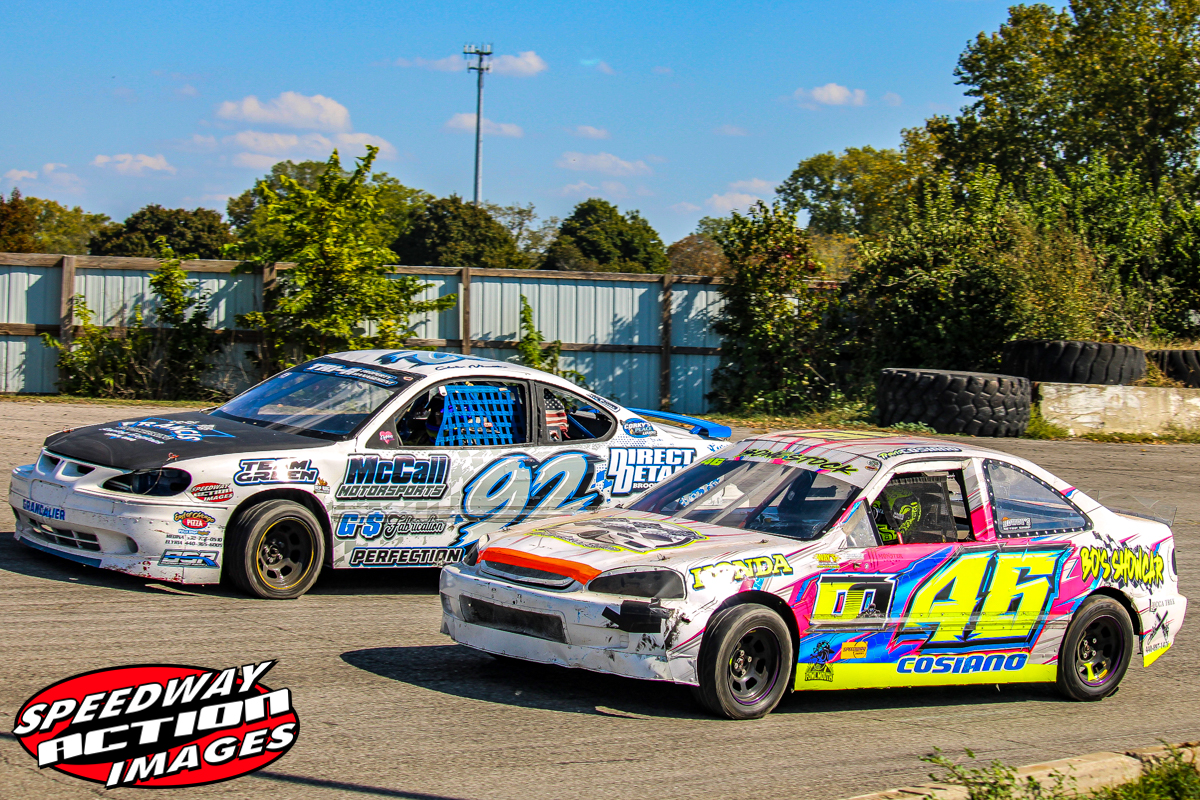
If you want a clear picture of how much short-track racing has evolved over the last decade, look at the timing and scoring monitor from the recent Ohio Wheelman Series event at Jennerstown Speedway.
When the dust settled on the asphalt, the Pro Compacts hadn’t just put on a good show—they had laid down lap times a full second faster than the Ohio Wheelman Super Stocks.
Let that sink in. A division that was once viewed as the comic relief of the weekend is now outpacing purpose-built, rear-wheel-drive muscle. The era of the “junkyard stock” is officially dead, replaced by one of the most fiercely competitive and highly engineered divisions in modern motorsports.
The “Glass-Knocked-Out” Era
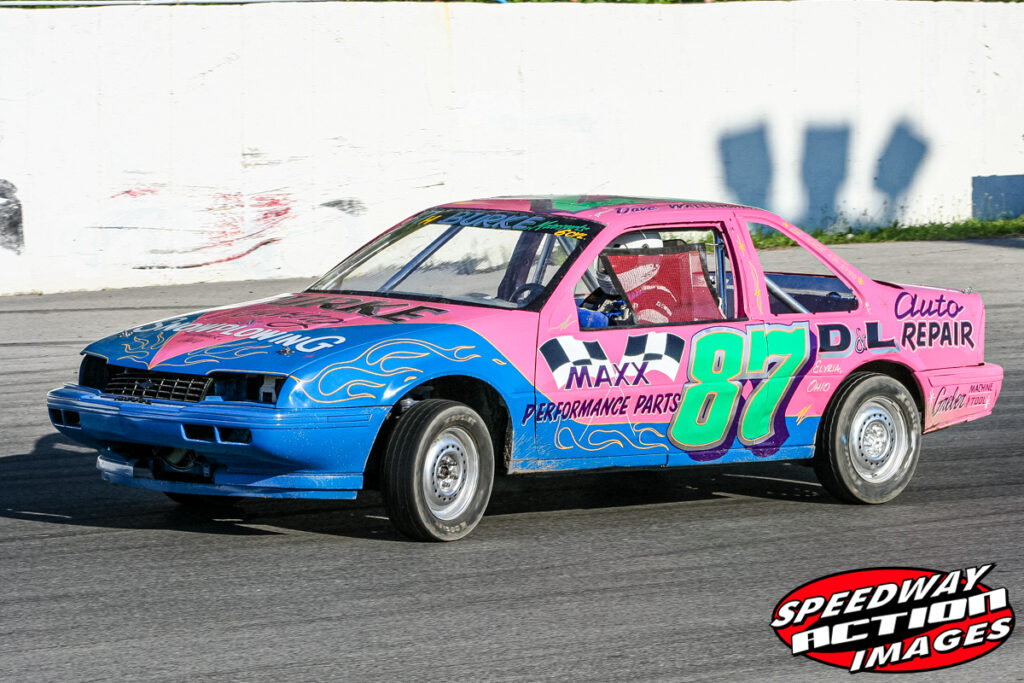
There was a time when four-cylinder racing was simply an entry-level stepping stone, or worse, a demolition derby with a green flag. If a car had 150,000 miles, a blown head gasket, and a rusted-out trunk, it was destined for the local bullring. Drivers would knock the glass out, weld in a crude roll cage, spray-paint a number on the doors, and go racing.
Handling was an afterthought. Horsepower was whatever the factory engine had left to give. It was cheap, it was chaotic, and it served a purpose—giving guys with an empty wallet and a heavy right foot a place to race. But as the years went on, the guys with the heavy right feet started getting smarter.
Engineering the Front-Wheel Drive
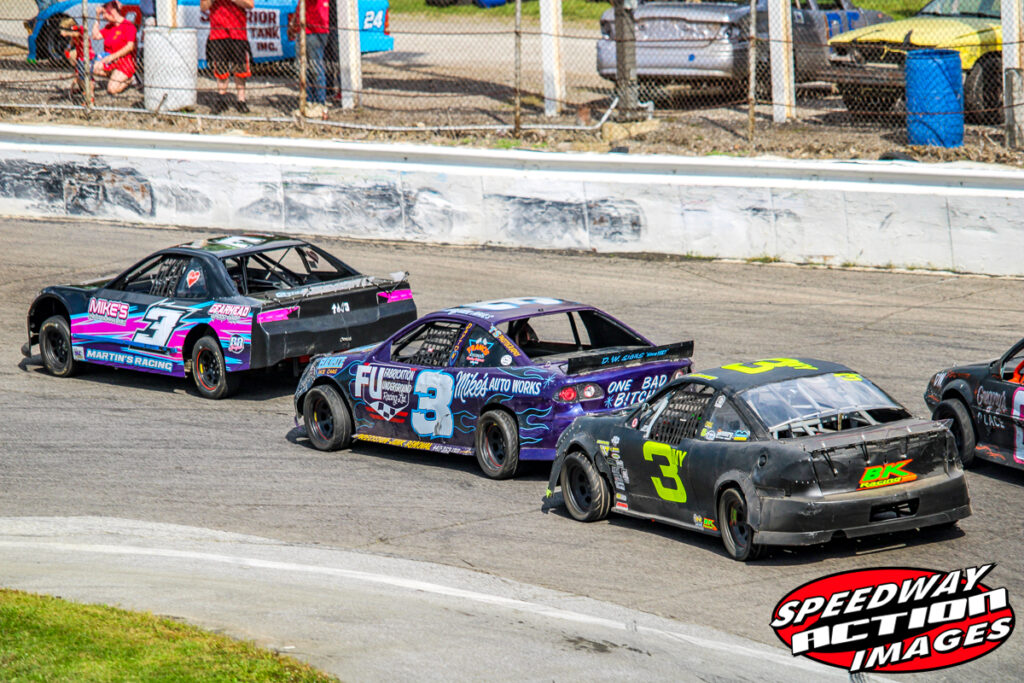
The transformation didn’t happen overnight, but it was relentless. Racers began applying high-level setup geometry to chassis that were never meant to see a racetrack.
Today’s front-wheel-drive entries are far from standard street cars. These are high-end Front Wheel Drive Compact race cars. Builders are maximizing weight distribution to keep the nose planted while allowing the rear to rotate through the center of the corner. They are dialing in aggressive camber and caster combinations, fabricating custom suspension components, and utilizing advanced shock tuning that rivals what you see in the late model pits.
Under the hood, the evolution is just as drastic. Builders are mapping ECUs, maximizing compression, and wringing every single horsepower out of these four-cylinder blocks. When you combine that power-to-weight ratio with a chassis that is perfectly balanced for corner speed, you get a machine that absolutely flies on a fast, sweeping half-mile like Jennerstown.
Respect Earned on the Asphalt
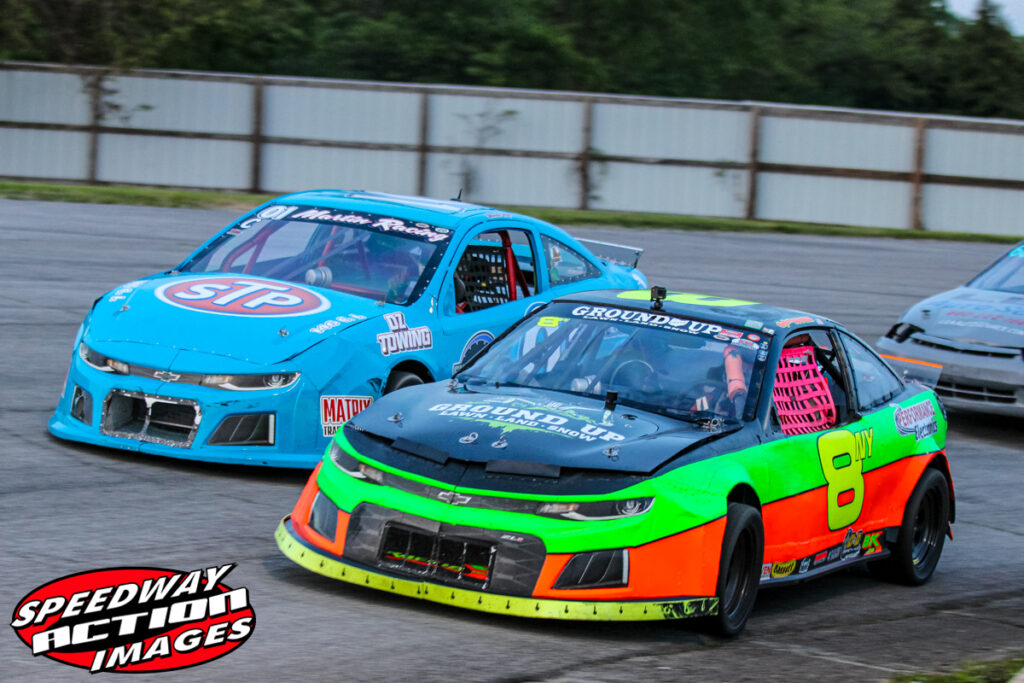
The Jennerstown stopwatch doesn’t lie. Beating a Super Stock by a full second is a wake-up call to anyone who still dismisses the compacts.
Driving a Pro Compact on the ragged edge requires a distinctly different skill set than wrestling a V8 Super Stock. You can’t just mash the throttle and rely on rear-wheel horsepower to bail you out of a mistake in the corner. It’s all about momentum. A Pro Compact driver has to hit their marks with absolute precision, carrying maximum speed from corner entry to apex, because if you scrub off speed, you don’t have 400 horsepower waiting to get you back up to pace.
The division has matured. The cars are faster, the engineering is sharper, and the drivers are some of the most talented wheelmen in the Midwest. They’ve shed the “junkyard” reputation and built something entirely new—a premier racing division where the only thing cheap about it is the memory of what it used to be.

As the official 2026 health and wellness partner of Speedway Action Magazine, Recrea Health & Wellness is dedicated to helping the Northeast Ohio racing community achieve peak performance on and off the track. From advanced recovery therapies to hormone optimization and weight loss programs, their Medina clinic provides the care you need to stay energized for those long hours in the garage. Discover your optimal health at recreahealth.com.
About the Author

Discover more from Speedway Action Magazine
Subscribe to get the latest posts sent to your email.