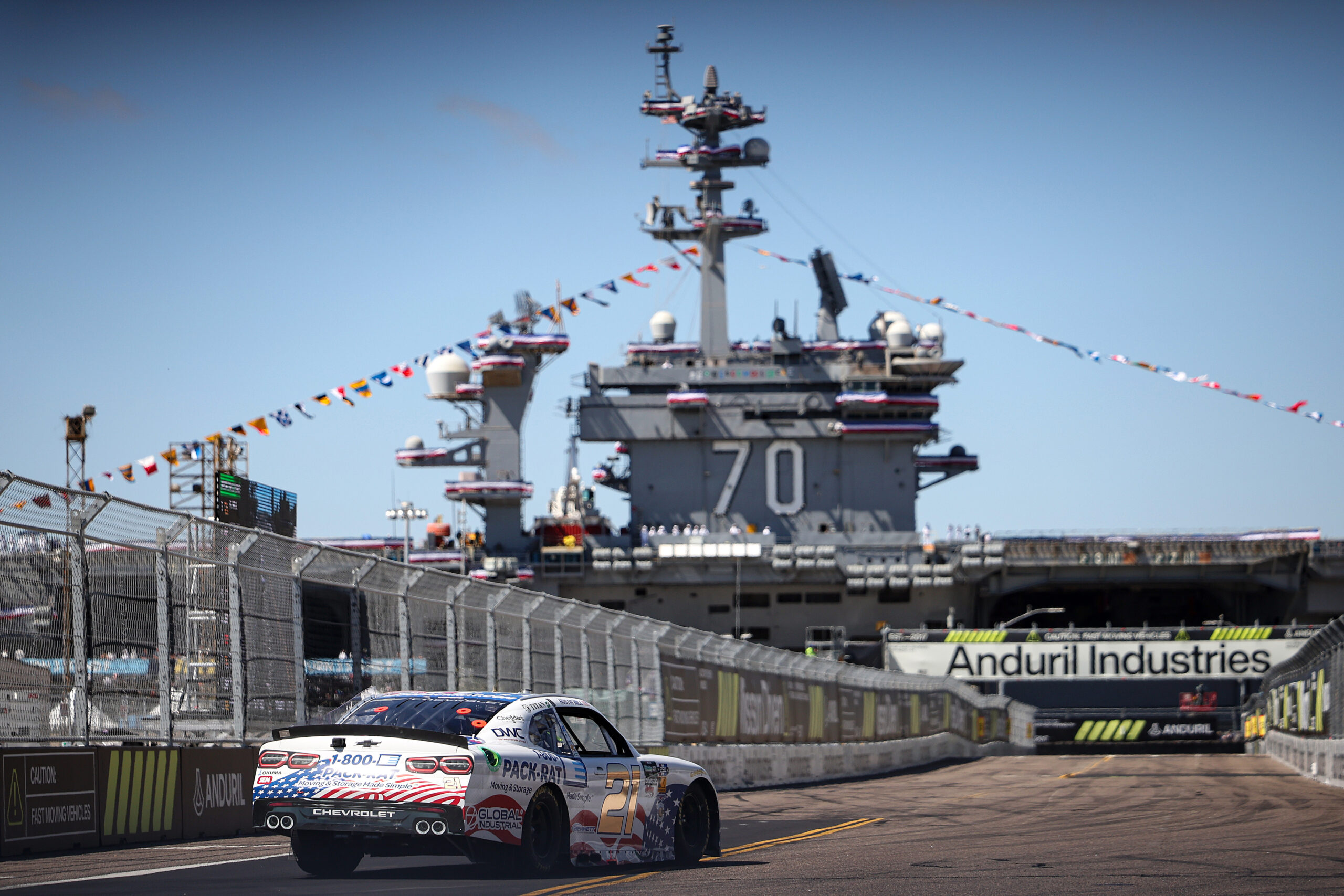
SAN DIEGO, CALIFORNIA - JUNE 20: Austin Hill, driver of the #21 1-800-PACK-RAT Chevrolet, drives during the NASCAR O'Reilly Auto Parts Series United Rentals Driven to Serve 250 at Naval Base Coronado on June 20, 2026 in San Diego, California. (Photo by James Gilbert/Getty Images)
Jim Foose -Speedway Action Magazine
The roaring success of NASCAR’s Coronado weekend proves the sport’s urban experiment is working. Now, it’s time to look toward the shores of Lake Erie and resurrect one of American motorsport’s most legendary venues.
When the green flag dropped on the Anduril 250 at Naval Base Coronado this year, NASCAR wasn’t just breaking new ground; it was cementing a philosophy. By transforming Naval Air Station North Island into a temporary 3.4-mile circuit, stock car racing proved once again that its “bring the race to the people” mantra is here to stay.
From the LA Memorial Coliseum to the streets of Chicago, and now the Pacific coastline in San Diego, NASCAR is chasing iconic backdrops and untapped urban markets. But as executives look at a map for their next great conquest, they don’t need to reinvent the wheel. They just need to look at the shores of Lake Erie.
It is time to bring racing back to Cleveland’s Burke Lakefront Airport, and end a drought that has kept the highest level of stock car racing out of the Buckeye State for generations.
The Ghosts of the Grand Prix
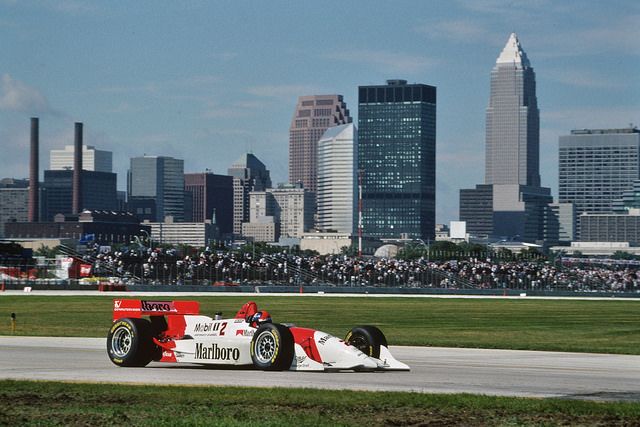
For a quarter of a century, Burke Lakefront Airport was the crown jewel of the CART and Champ Car series. From 1982 until its final run in 2007, the Grand Prix of Cleveland was a fan favorite. It wasn’t just a race; it was a summertime festival.
Unlike tight, claustrophobic city street circuits, Burke offered something incredibly rare: space. The sprawling airport runways allowed for a sweeping, high-speed 2.1-mile concrete layout where open-wheel cars could race three-wide into the infamous Turn 1. It provided some of the most breathtaking passing zones in motorsport, all framed by the sparkling waters of Lake Erie and the towering Cleveland skyline.
When the Champ Car series folded into IndyCar, Cleveland lost its race. For nearly two decades, the wide runways have sat relatively quiet, serving private aviation while fans are left with nothing but YouTube highlights of Paul Tracy and Emerson Fittipaldi tearing down the airstrip.
Ending the Ohio Drought
It’s an astonishing fact, given Ohio’s rich automotive history and rabid sports culture: There has not been a premier NASCAR Cup Series race in Ohio since 1954. That year, Lee Petty outran Buck Baker and Herb Thomas at Sharon Speedway, a dirt oval in Hartford.
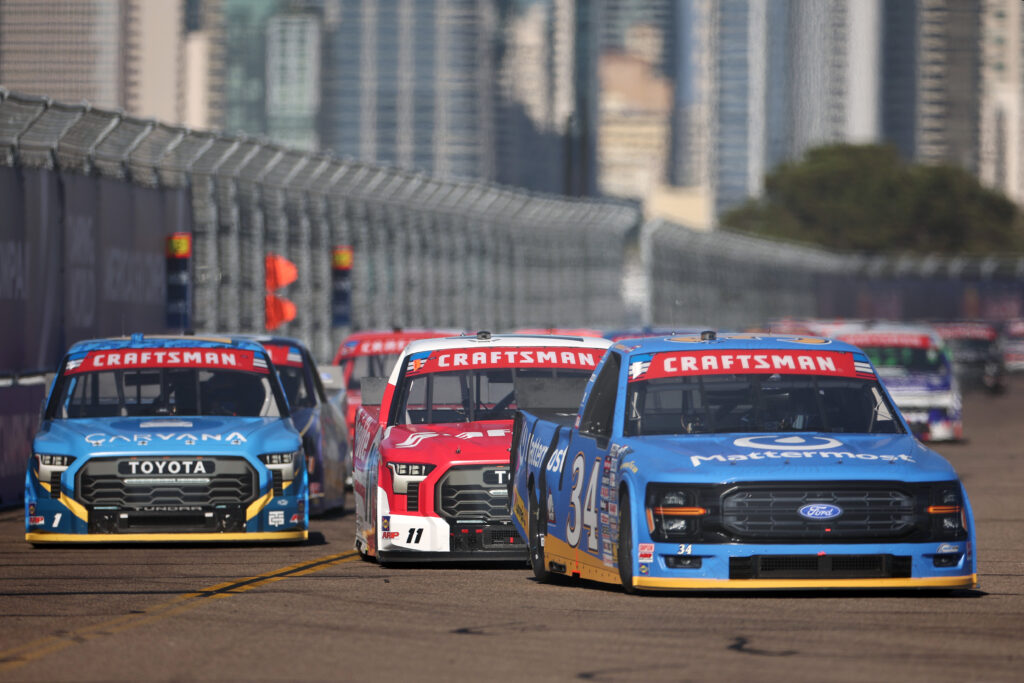
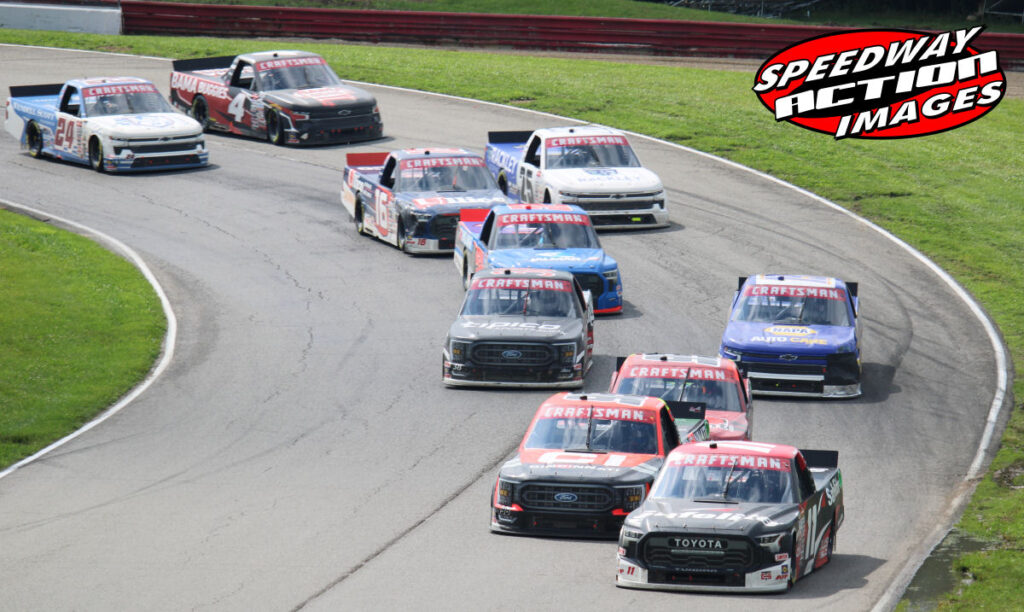
More recently, Ohio lost its only NASCAR national series footprint altogether. The state hasn’t hosted a national event since 2023, when the Craftsman Truck Series made its final run at the Mid-Ohio Sports Car Course in Lexington. For a state that borders Michigan and sits squarely in the heart of the Midwest motorsport corridor, a 72-year gap in premier Cup Series racing is a massive missed opportunity.
A City Reborn
The Cleveland of 2007 is not the Cleveland of today. Over the last two decades, the city has experienced a massive renaissance. Downtown has surged with residential growth, the Flats have been completely revitalized, and the waterfront is undergoing a massive transformation.
Cleveland has proven it can handle the brightest spotlights. It has successfully hosted the NFL Draft, the MLB All-Star Game, and the NBA All-Star Game in recent years, drawing hundreds of thousands of visitors and generating massive economic impact. The infrastructure, the hotel capacity, and the sports fan base are already in place.
Furthermore, Burke Lakefront Airport itself is at a crossroads. With Mayor Justin Bibb’s administration and city council actively exploring the closure of the airport to transform the 400-plus-acre site into a sprawling public park and waterfront recreation area, the canvas is wide open. Whether NASCAR utilizes the existing runways for a monumental farewell to the airport, or integrates a circuit into a newly designed lakefront park, the timing couldn’t be better.
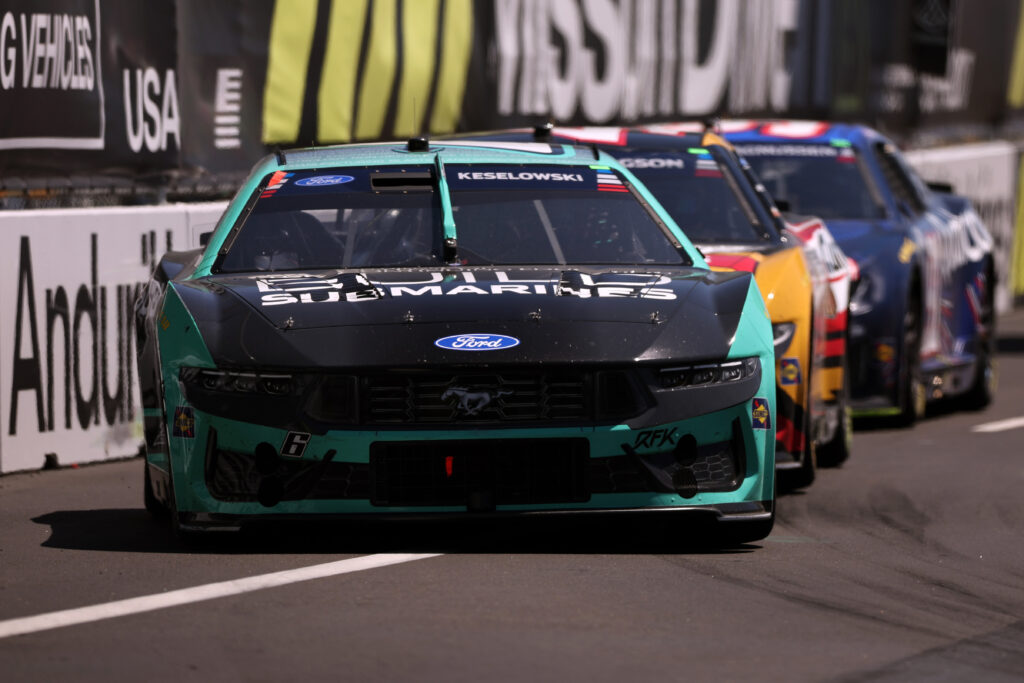
The Blueprint: Coronado vs. Cleveland
NASCAR’s recent scheduling strategy hinges on accessibility. The days of expecting fans to drive three hours into the rural countryside to sit in the bleachers are being supplemented by a desire to meet younger, diverse crowds where they live.
- The Spectacle: Coronado provided ocean views and military hardware. Burke provides a Great Lake, the Rock & Roll Hall of Fame, and a soaring downtown skyline.
- The Logistics: Transforming an active naval base required immense logistical hurdles. By comparison, turning an underutilized municipal airport into a race track is a known quantity—Cleveland already did it flawlessly for 25 years.
- The Racing: Street courses can sometimes suffer from narrow passing lanes. Burke’s famously wide runways would allow heavy, 3,500-pound Next Gen stock cars to trade paint, dive-bomb corners, and provide the aggressive side-by-side action NASCAR fans demand.
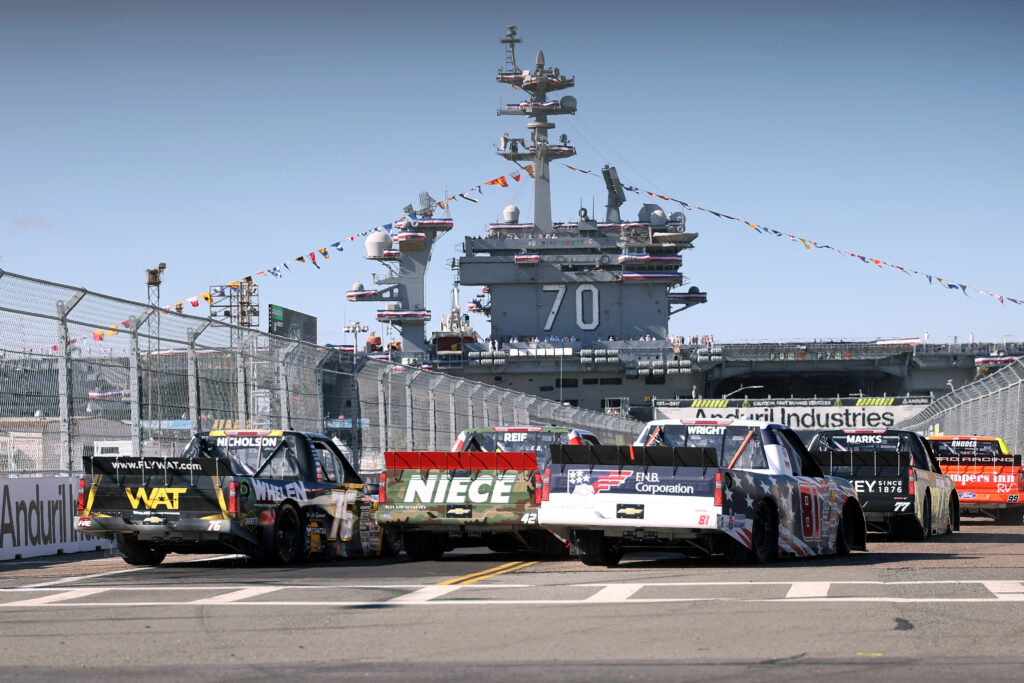
The Checkered Flag
If NASCAR wants to continue its bold push into the future, it should tap into a piece of racing’s past. The success at Naval Base Coronado is proof that unconventional venues work. Cleveland is a city on the rise, hungry for major events, and blessed with a readymade, iconic piece of motorsport real estate just steps from downtown.
It’s time to end the 72-year Cup Series drought in Ohio. It’s time to fire up the engines on the shores of Lake Erie once again. Bring NASCAR to Burke.
About the Author

Discover more from Speedway Action Magazine
Subscribe to get the latest posts sent to your email.