Jim Foose – Speedway Action Magazine
ORRVILLE, OH — The grueling gauntlet of Ohio Sprint Speedweek is officially in the rearview mirror, closing out last weekend and signaling the true start of the summer stretch. The skies over Wayne County Speedway have finally cleared, putting an end to the unprecedented string of early-season rainouts. But for rookie drivers trying to cut their teeth on “Orrville’s Historic Oval,” the developmental hole dug by those lost spring weekends is only getting deeper.
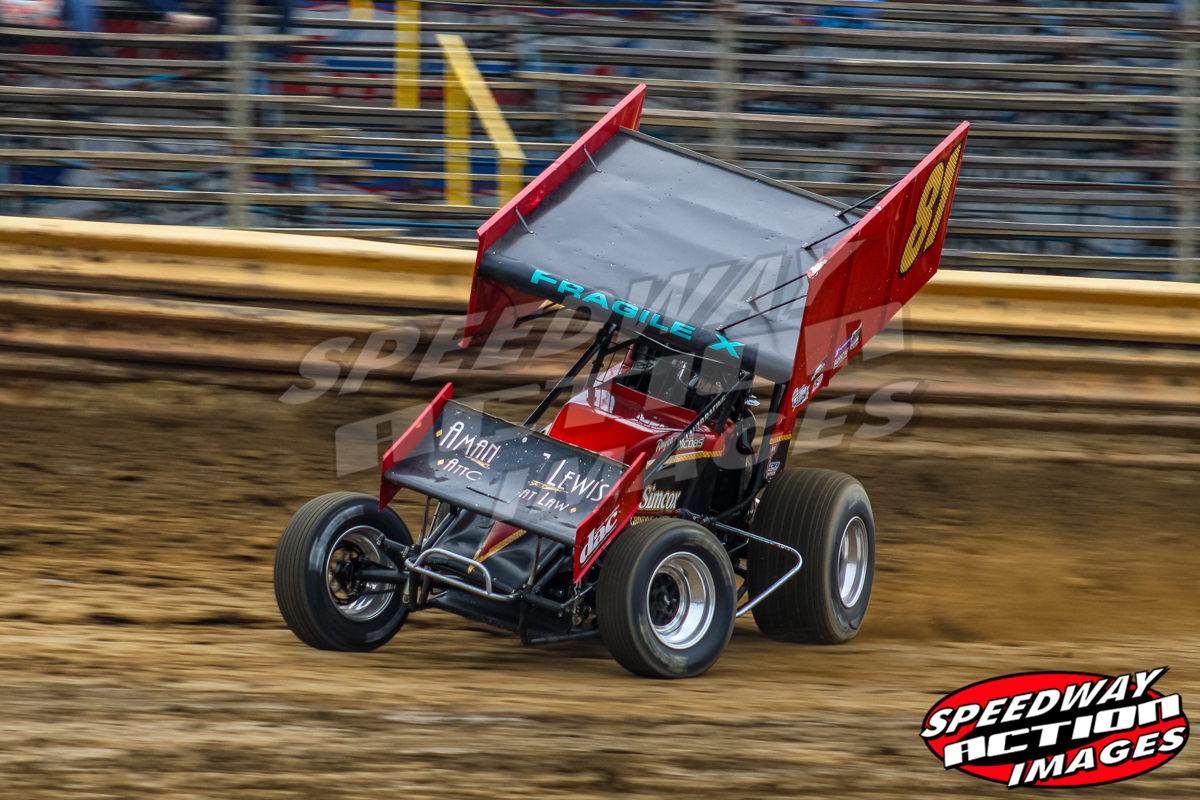
While fans are relieved to finally trade umbrellas for sunglasses, new drivers like Rayce Jacobs in the 410 Sprint Cars and Emma Markham in the Super Late Models are facing a brutal new reality. Mother Nature didn’t just steal their seat time—she left behind a completely unpredictable racing surface.
The “Blown Off” Dilemma
By late June, a typical dirt track settles into a predictable summer rhythm. The relentless heat bakes the clay, causing the track to “blow off”—drying out the top layer, creating a slick surface, and eventually laying down a smooth groove of black rubber. Veterans rely on this transition, setting up their cars to carry momentum and manage tire spin.
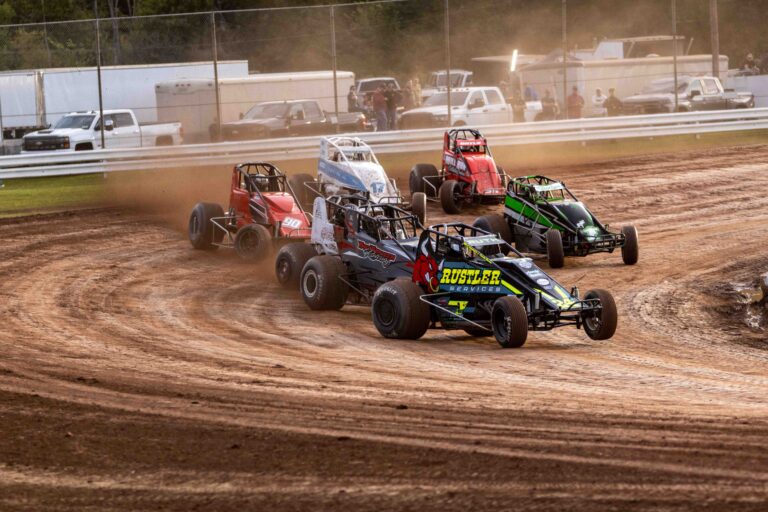
Because of the heavily saturated grounds from the wet spring, Wayne County’s 3/8-mile surface is currently caught in a chaotic transition. The intense summer sun is baking the top of the track, but the underlying clay is still holding massive amounts of moisture. Instead of a smooth, slick oval, the track is prone to retaining a heavy, gnarly cushion, rutting up in the corners, and changing violently from the heat races to the A-Main.
It is the most difficult type of track condition to master, and Jacobs and Markham are being forced to learn it on the fly.
Rayce Jacobs: Wrestling 900 Horsepower
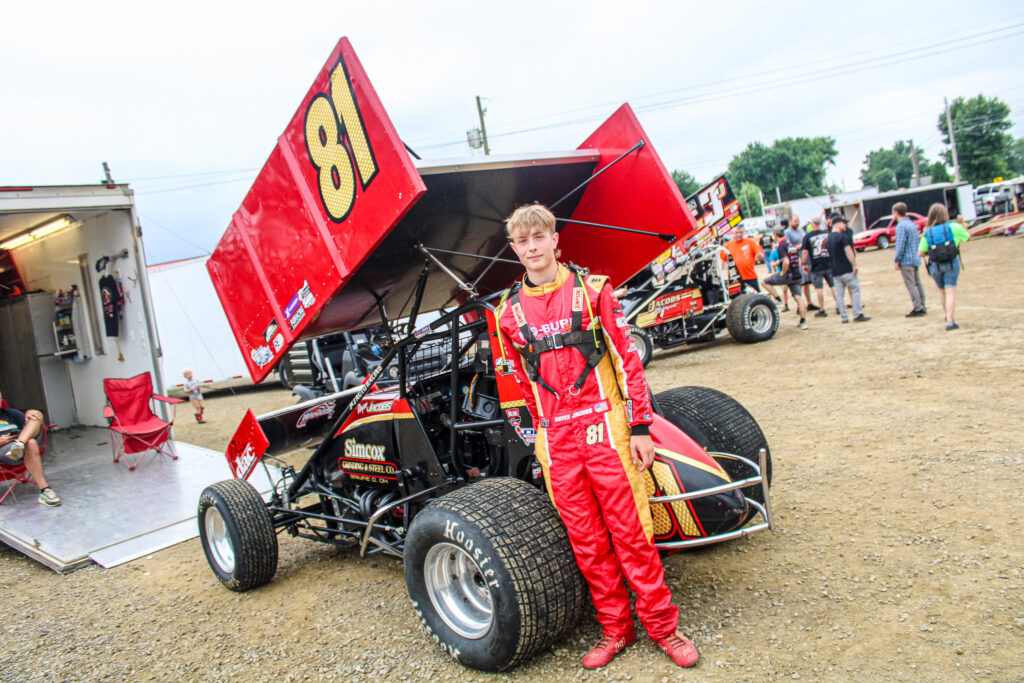
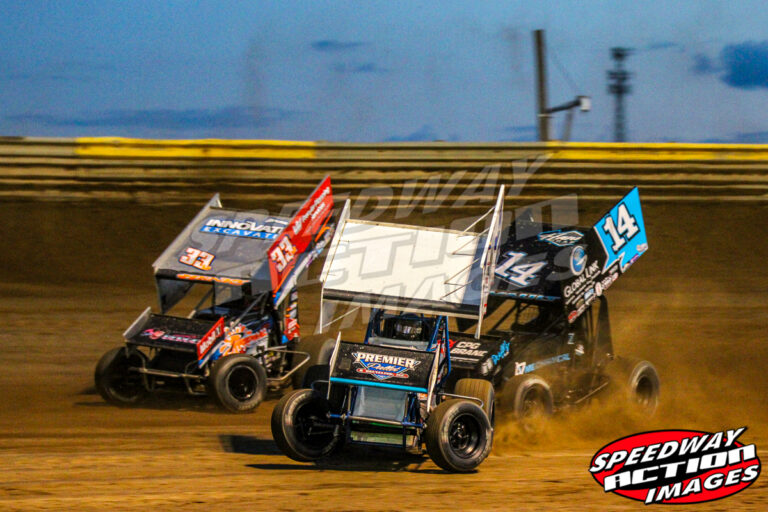
Stepping into the Pine Tree Towing & Recovery 410 Sprints from the Micro Sprint ranks—a massive leap Jacobs made late last year—is arguably the steepest learning curve in grassroots motorsports. Surviving the influx of national touring talent during Speedweek with limited prior laps is a trial by fire. Rayce also is limited to only racing on Saturdays in the spring and fall due to still being in school, further limiting the start to the season for him.
“The biggest thing [the rainouts] hurt with rookie drivers is it causes us to not get laps, have less experience, then your first race out is with people like the All Stars or another series,” explained Jacobs. “You have little laps in, causing your confidence to be low. You don’t have full trust in your car, and more.”
Taking on touring veterans without that foundational trust is tough enough, but doing it on a track that refuses to slick off adds a dangerous layer of complexity for the pilot of the #81 machine:
- The Bite and the Bounce: On a track that hasn’t fully blown off, the heavy, tacky spots of clay can grab a sprint car’s massive right rear tire instantly. Without the muscle memory to anticipate these bite points, Jacobs risks violent chassis upsets or bicycling the car on corner entry.
- Setup Guesswork: Sprint cars are highly sensitive to torsion bar and shock adjustments. Trying to find a setup that can handle a heavy, rutted cushion in Turn 1 while surviving a baking surface in Turn 3 is a nightmare even for veteran crew chiefs. Missing those baseline spring hot laps means missing the notes required to make split-second setup calls in the pits.
Emma Markham: Finding Finesse in the Chaos
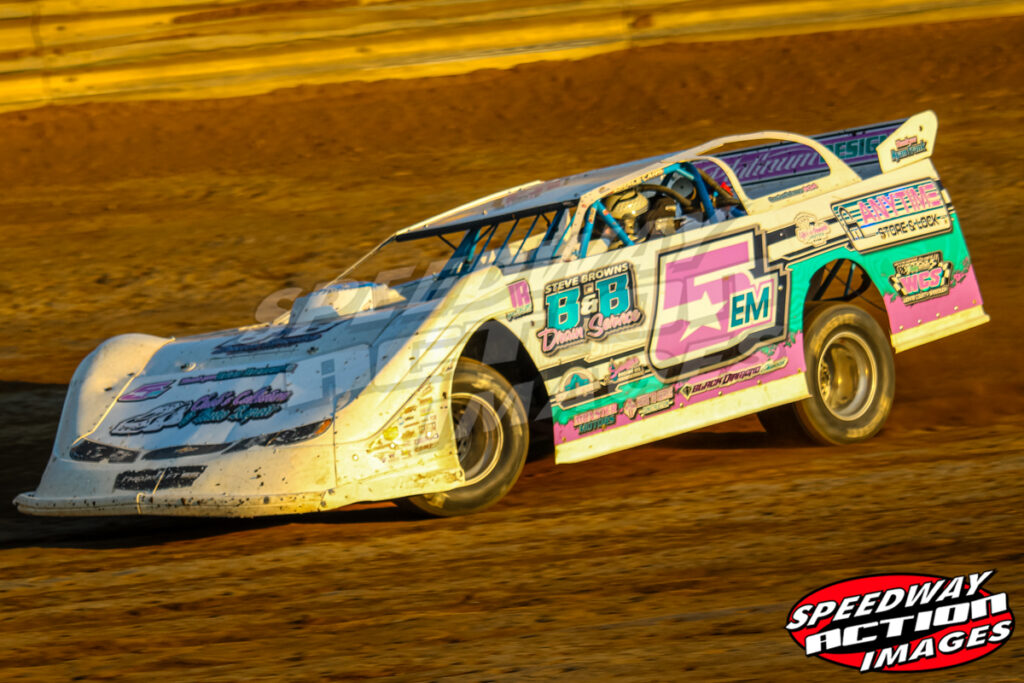
Over in the Malcuit Tavern Super Late Model division, Ashland native Emma Markham (#5EM) is feeling the exact same sting. Late Models are intricate machines that reward finesse—understanding chassis roll, aerodynamic downforce, and precise suspension loading. But mastering those nuances requires consistent track time.
“All the rain has definitely affected racing this year and as a rookie it’s been hard to get seat time which is the only way I can learn and get faster,” Markham noted. “So far I have raced five times and each time I go out, I improve and learn. Losing almost half of our season to rain has not helped me get the much-needed laps to help me develop as a driver.”
When she does get on the track, the current conditions demand the exact opposite of smooth predictability:
- Reading a Bipolar Track: Markham needs to learn how to adapt her driving style as a track transitions, but the current surface is skipping steps. A track that holds moisture underneath can unexpectedly rut up or drastically change forward bite from lap to lap, tearing up the playbook on how to smoothly roll the center of the corner.
- The Tire Management Trap: On a normal summer track, tire preservation is a straightforward science. On a half-baked, high-moisture track, choosing the right tire compound and knowing how hard to push it without blistering the sidewall requires a feel for the dirt that only comes from experience.
No Time to Catch Up
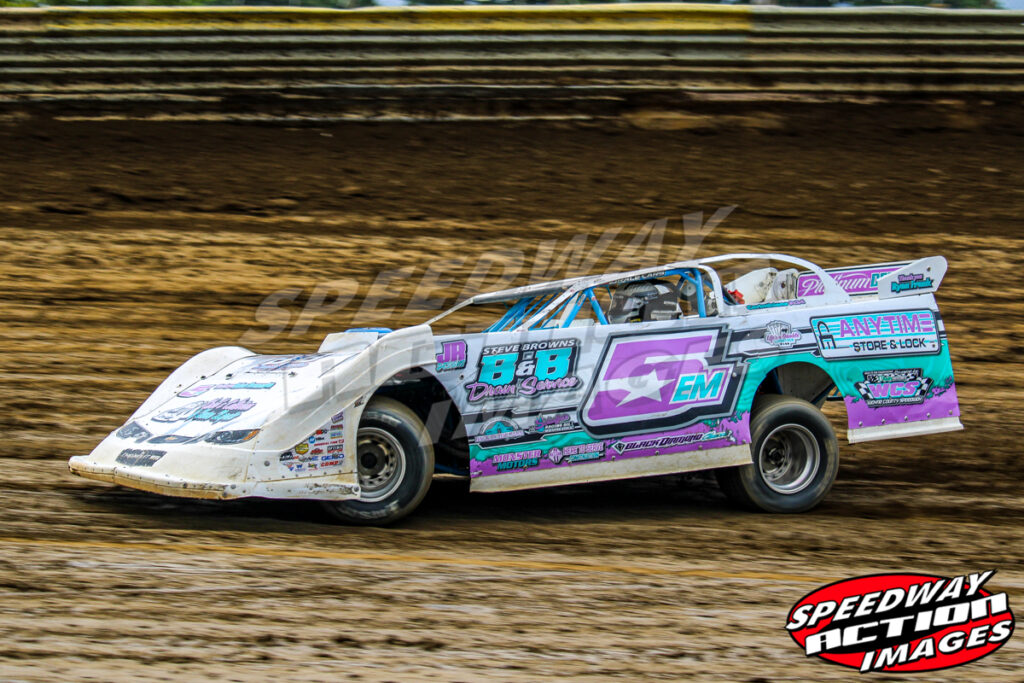
With Speedweek complete, the calendar leaves no room for leisurely test sessions. Rescheduled events and double-headers are condensing the season, forcing these rookies into the deep end against veterans who have spent decades learning how to read Ohio clay.
For Rayce Jacobs and Emma Markham, the rookie trials are no longer about just finding speed—they are about surviving a track that is fighting them every lap. The question isn’t whether they have the talent to compete, but how quickly they can adapt to a summer surface that is rewriting the setup book.
As the official 2026 health and wellness partner of Speedway Action Magazine, Recrea Health & Wellness is dedicated to helping the Northeast Ohio racing community achieve peak performance on and off the track. From advanced recovery therapies to hormone optimization and weight loss programs, their Medina clinic provides the care you need to stay energized for those long hours in the garage. Discover your optimal health at recreahealth.com.
About the Author

Discover more from Speedway Action Magazine
Subscribe to get the latest posts sent to your email.