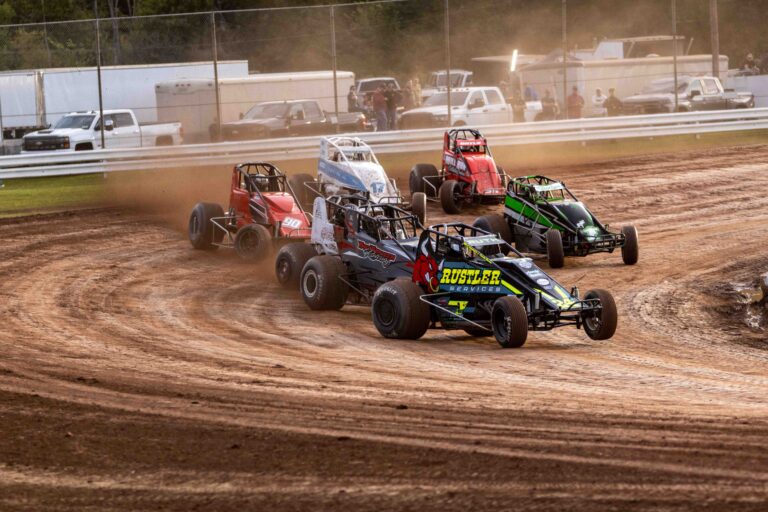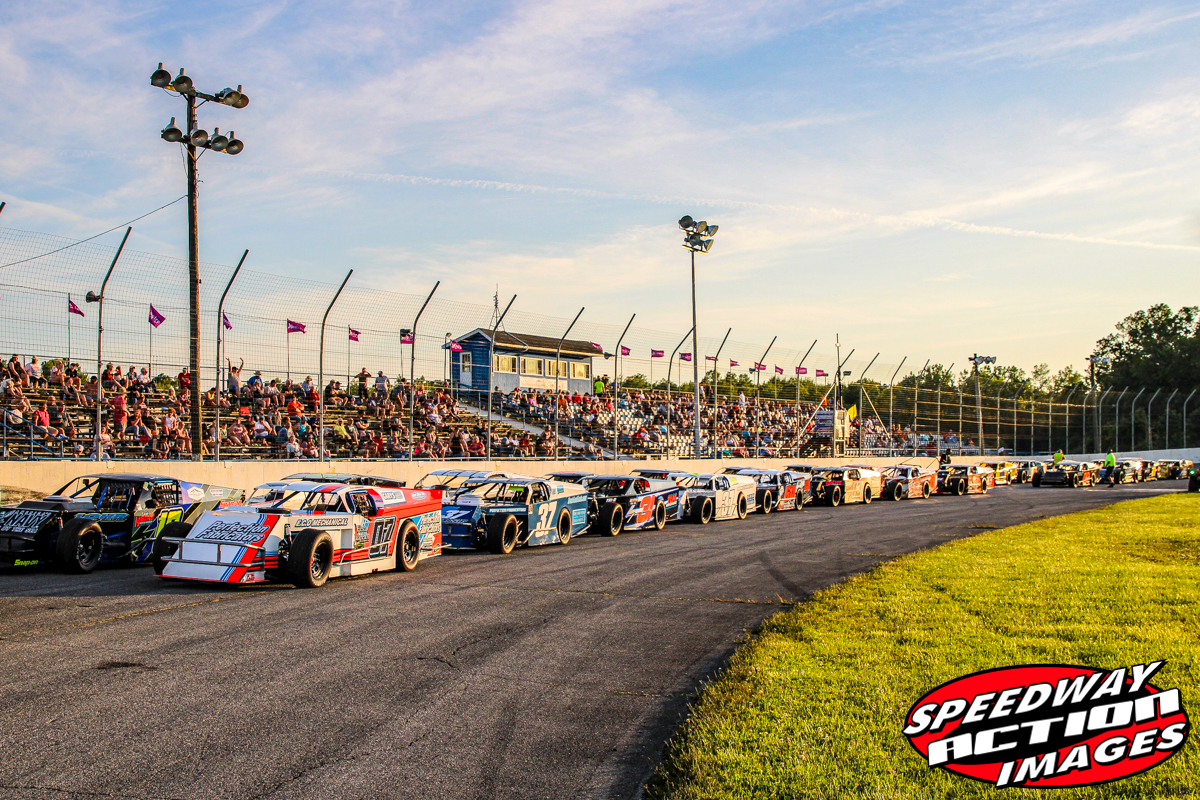

The roar of engines has finally returned to South Amherst. After sitting dormant for the first half of the season, Lorain Raceway Park sprang back to life with “The Revival,” a highly anticipated event that brought fans, haulers, and high-octane excitement back to the historic 3/8-mile asphalt oval. Seeing the gates open and witnessing a genuine, spirited effort to promote the track and make the event feel special is undeniably a win for the local motorsports community.
However, as the dust settles and the exhaust fumes clear from this comeback weekend, a sobering reality sets in. For all the fanfare and nostalgia, Lorain Raceway Park is facing a steep uphill battle to ensure its long-term survival. If this historic track is going to permanently reclaim its place in Ohio’s short-track scene, we must look past the immediate excitement and proceed with cautious optimism.
The Competitor Dilemma: Borrowed Time and Borrowed Cars
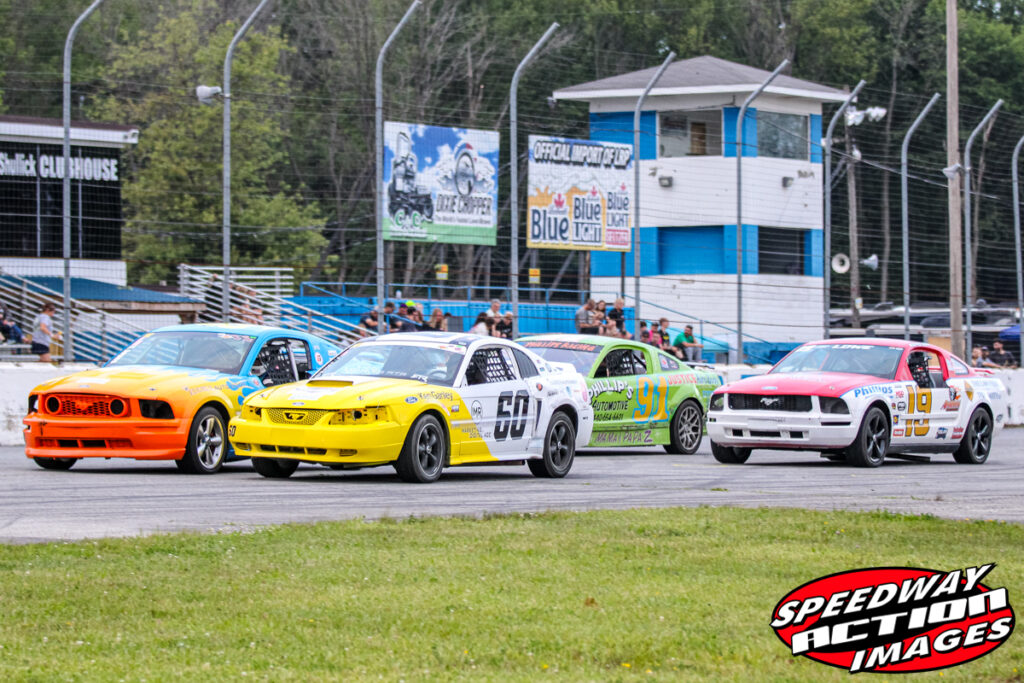
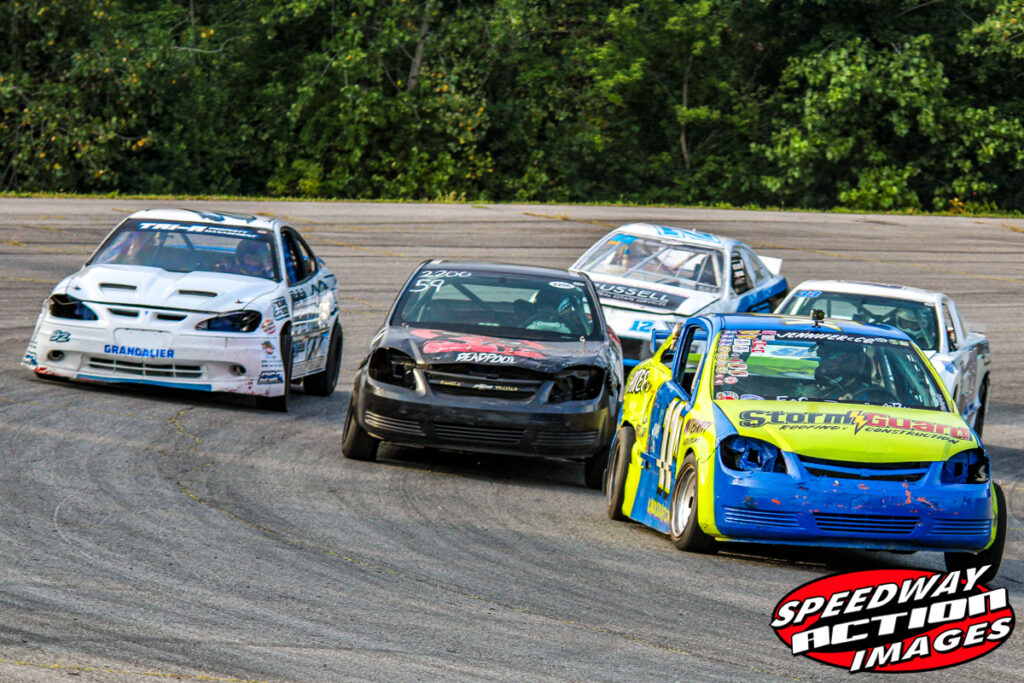
One of the most pressing challenges coming out of “The Revival” is the reality of the car count. While the pits were bustling, it is an open secret in the garage area that many of the drivers in attendance were only available because their primary home tracks or traveling series happened to have a rare week off.
In modern short-track racing, driver loyalty is often bound by points funds, year-end banquets, and contractual commitments to traveling tours. Drawing a healthy field for a one-off “special event” on an open weekend is one thing; convincing those same drivers to consistently tow their rigs to Lorain Raceway Park week in and week out is an entirely different hurdle. Without a dedicated core of weekly or bi-weekly local drivers who call Lorain their absolute home track, sustained momentum will be incredibly difficult to maintain.
Rebuilding the Grandstand Base: A Divided Loyalty
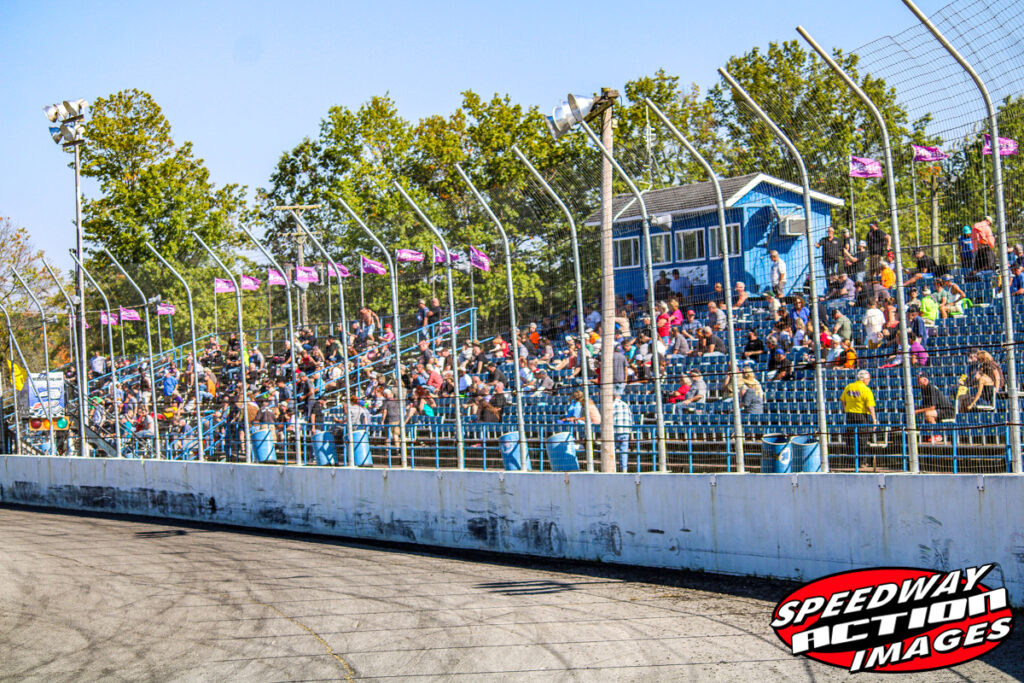
Just as the car counts face an uphill battle, so does the allegiance of the fans. The grandstands were packed Saturday night, a beautiful sight that brought a palpable energy back to South Amherst. But keeping that momentum going and transforming a one-night crowd into a consistent audience will be just as difficult as luring the drivers.
Over the past five years, Lorain Raceway Park has operated essentially as a “special shows only” facility. Because it has lacked a traditional, weekly racing schedule, an entire demographic of local fans no longer calls Lorain their “home track.” In the absence of a routine Saturday night destination in their own backyard, racing enthusiasts have built habits elsewhere—spending their weekends at competing regional dirt and asphalt tracks, or following touring series. Getting fans to routinely bypass those newly established loyalties and return to a regular schedule at Lorain will require aggressive marketing, consistent community engagement, and a product that proves Saturday night’s magic wasn’t just a nostalgic fluke.
A Facility Showing Its Age
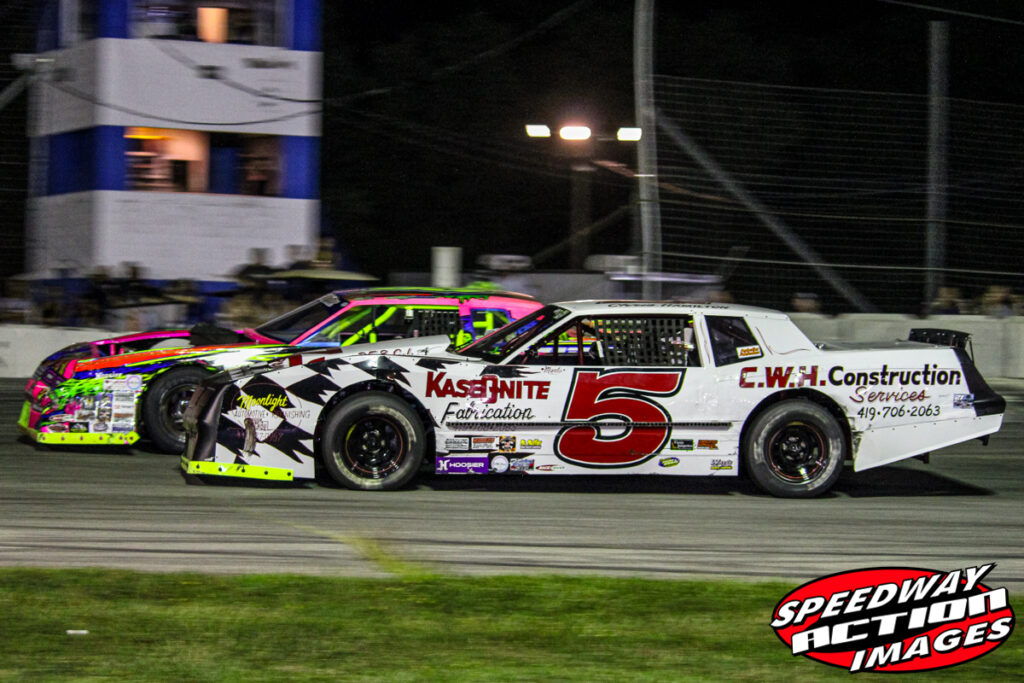
Then there is the issue of the facility itself. While the current operators and local partners have put a commendable amount of elbow grease into groundskeeping and getting the track race-ready, the venue is in desperate need of major capital improvements.
Fans looking toward the frontstretch are illuminated by lights that date nearly all the way back to the track’s original dirt-oval beginnings in 1949. While they offer a charming glimpse into the past, they lack the luminous power expected of a modern racing facility. Similarly, the public address and sound systems are severely outdated, making it difficult for the announcers to engage the crowd over the deafening roar of the engines—a crucial element for retaining casual fans and families.
Most concerning of all is the racing surface itself. Lorain’s iconic asphalt is scarred with heavy cracking, and grass has begun to persistently grow through the fissures. This is not just an aesthetic issue; it is a structural one. Weeds and grass expanding inside the cracks allow moisture to penetrate the foundation. Once the freeze-thaw cycle of an Ohio winter hits, those minor cracks will inevitably become larger holes, eventually leading to catastrophic surface degradation that will require a complete—and astronomically expensive—repave.
Proceeding With Caution
None of this is to diminish the incredible work put in by the management, sponsors, and fans who willed “The Revival” into existence. Bringing a dormant track back from the brink is a monumental task, and the energy in the grandstands proved that there is still a deep, lingering love for “The County”.
But passion alone does not pour asphalt, upgrade electrical grids, or buy driver and fan loyalty. With the property still actively facing an uncertain long-term future, the coming months will be critical. The motorsports community should absolutely support these comeback events, but we must do so with our eyes wide open to the monumental financial and logistical challenges that lie ahead. Now, more than ever, Lorain Raceway Park needs your support to keep the gates open and lights on. Lorain Raceway Park has successfully survived its first heat race of the year, but the grueling feature event has only just begun.
About the Author

Discover more from Speedway Action Magazine
Subscribe to get the latest posts sent to your email.