Jim Foose -Speedway Action Magazine
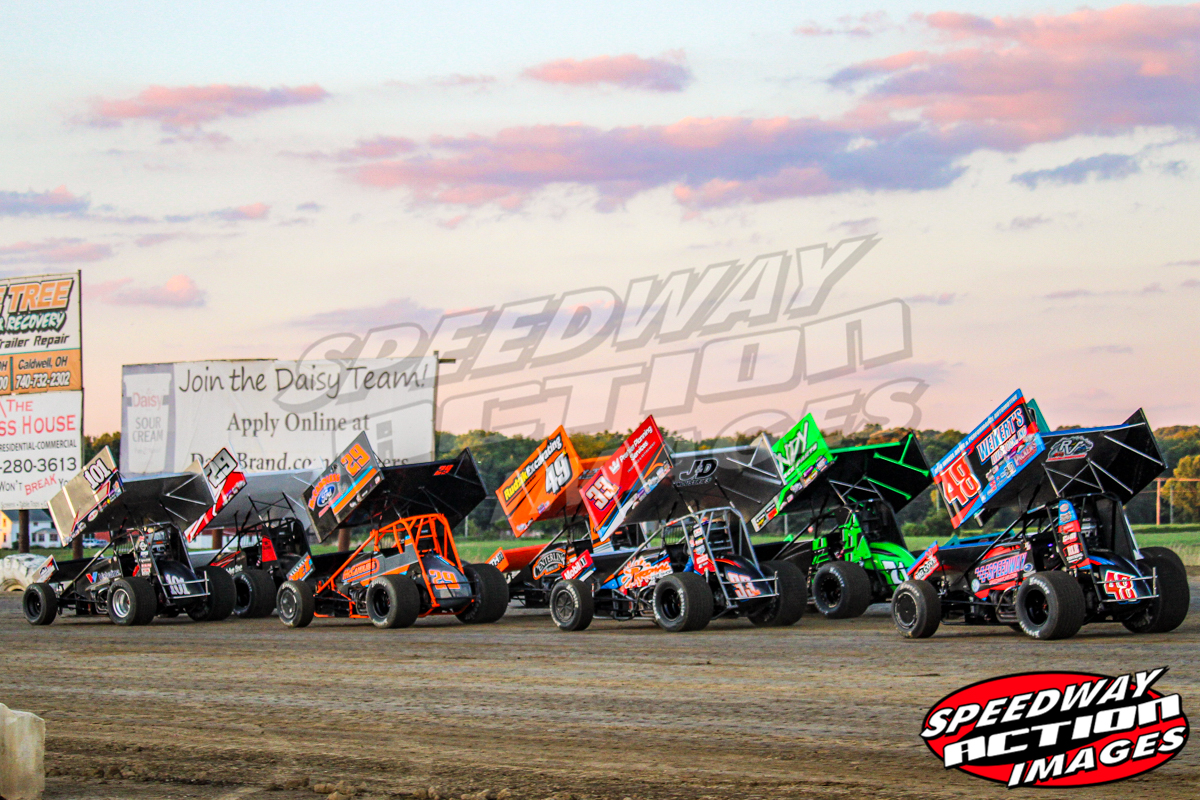
There is a distinct rhythm to a premier national dirt track race. The hot laps set the tone, qualifying builds the tension, and the heat races establish the hierarchy for the night. Fans pack the grandstands to watch the greatest sprint car drivers in the world—competitors from the World of Outlaws or High Limit Racing (or Late Models)—wrestle 900-horsepower machines around a clay oval.
But far too often, that carefully orchestrated rhythm screeches to a violent, agonizing halt. The culprit? The local support class.
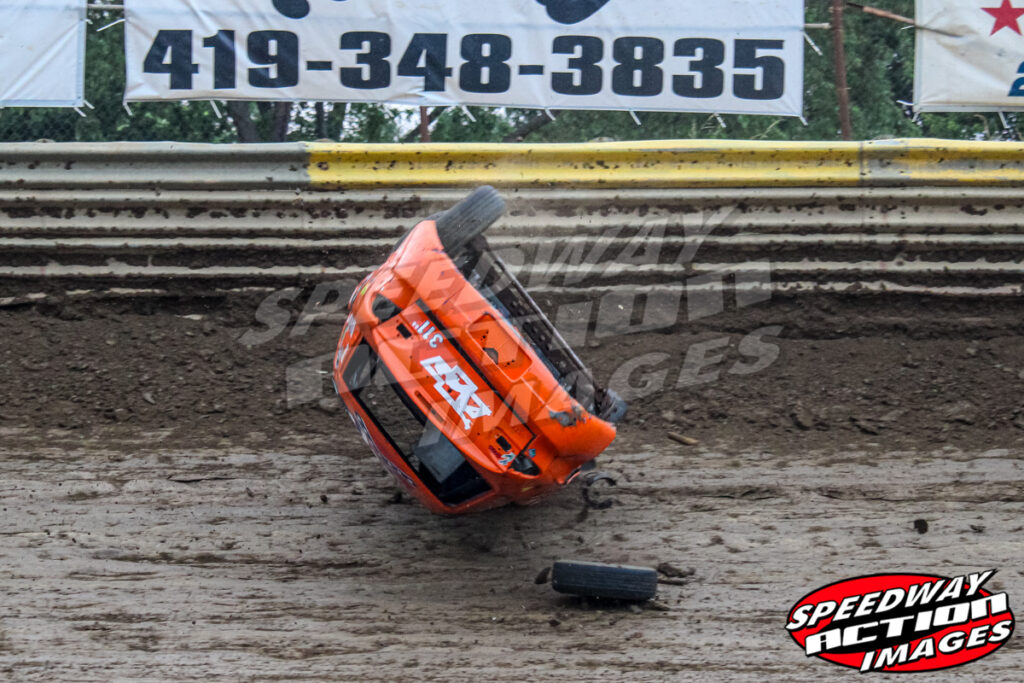
What is supposed to be a brief intermission between the premier events frequently devolves into a marathon of yellow and red flags, mangled sheet metal, and torn-down catch fences. It’s a point of mounting frustration for fans, track crews, and the national touring drivers who actually sell the tickets.
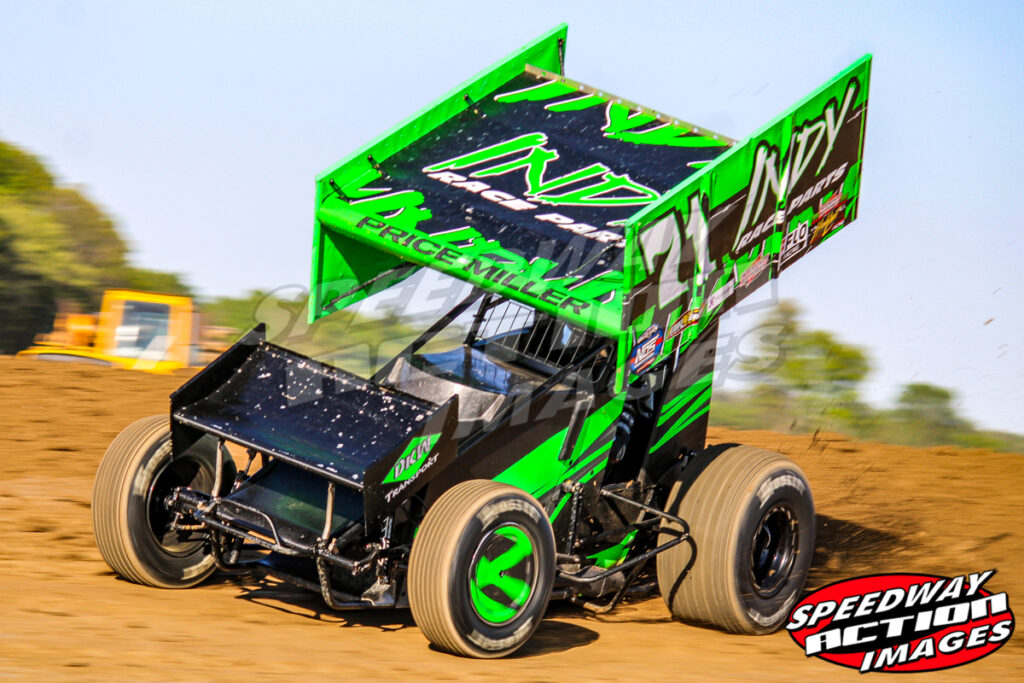
Sprint car veteran Parker Price-Miller recently voiced this exact frustration, capturing the exhaustion of a paddock forced to watch the show grind to a halt.
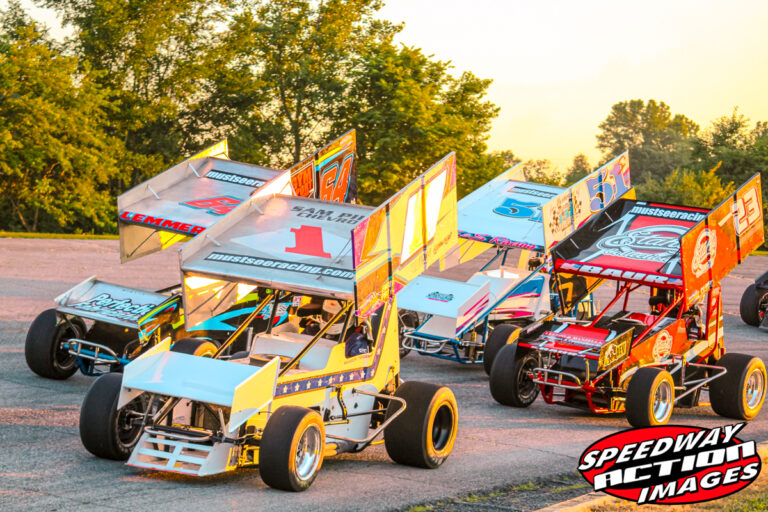
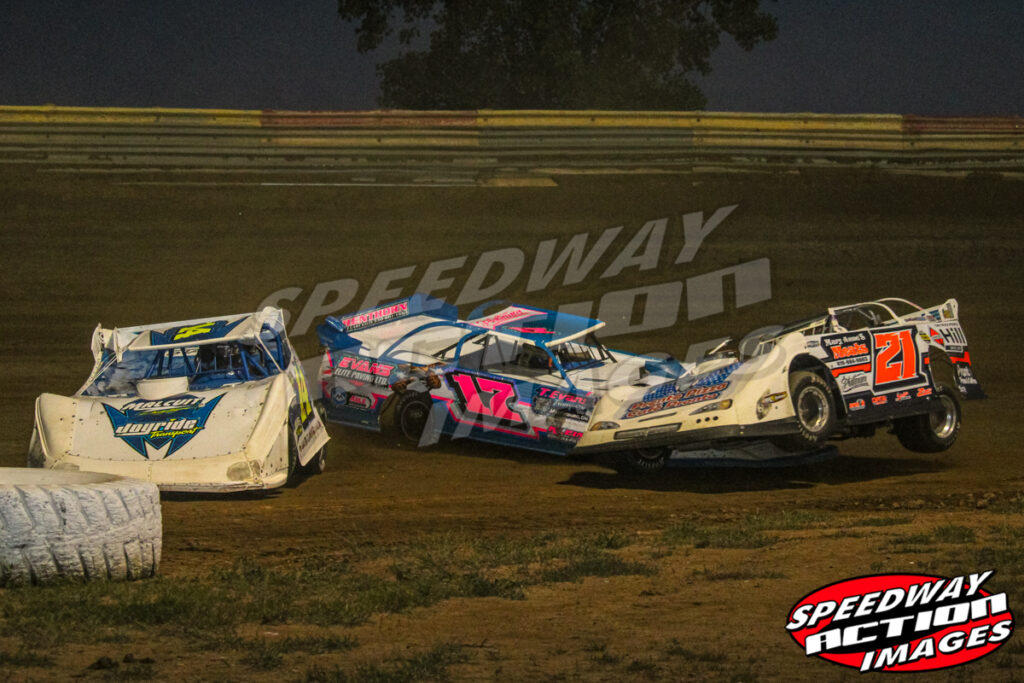
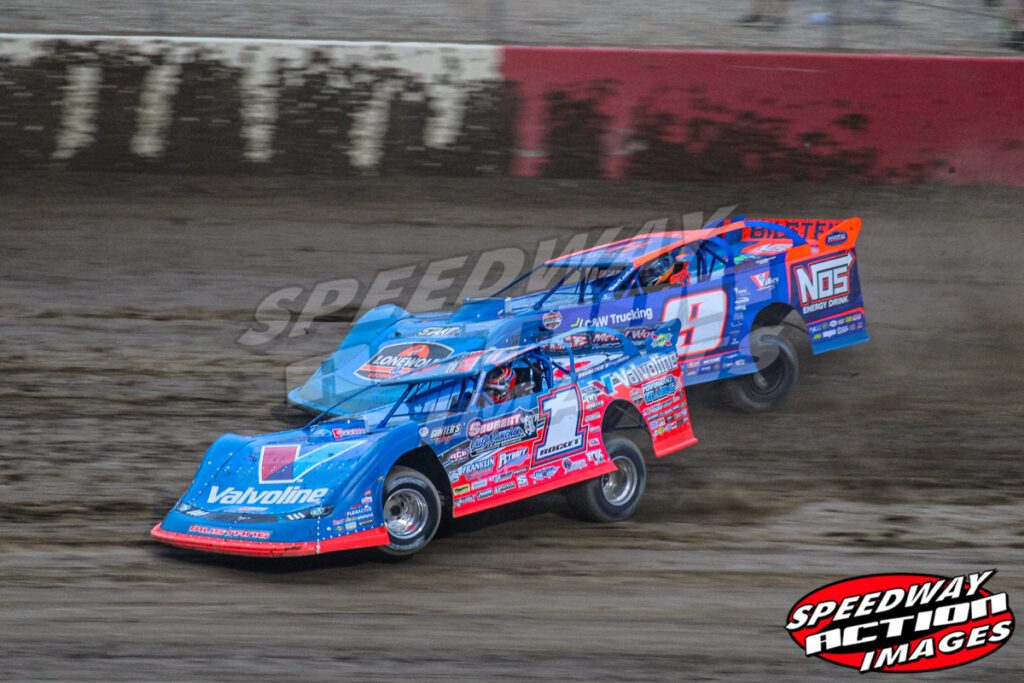
“We had a lot of non-wing cars, a full field or so for them the first night, they crash on top of each other and we sit there under red for 30 minutes while they try to tow the cars off the track and try to get them from on top of each other,” Price-Miller said. “The next night we come back, we’ve got 31 limited 305s and we have 27 Outlaw cars and they have 4 heats and a B-Main, and in the B-Main they tear the fence down.”
Price-Miller’s bluntly honest assessment highlights a growing tension in the dirt racing ecosystem: the battle between the pace of the show and the economics of the local track.
The True Cost of the “Added Value”
From the perspective of the touring driver, a chaotic support class is a nightmare.
When a premier sprint car series rolls into town, the drivers and their crews are laser-focused on track conditions. Dirt is a living, breathing surface. It changes with the temperature, the wind, and the amount of laps put on it. When a massive field of 305 sprint cars or street stocks hits the track and immediately tears down the turn-three catch fence, the ensuing 45-minute delay changes everything.
The track might dry out and take rubber, ruining the chance for a multi-groove feature. Engines cool down. Drivers lose their rhythm. And most importantly, safety workers and track officials are pushed to their limits dealing with amateur wrecks before the main event even begins.
The Promoter’s Dilemma: Economics of the Pit Gate
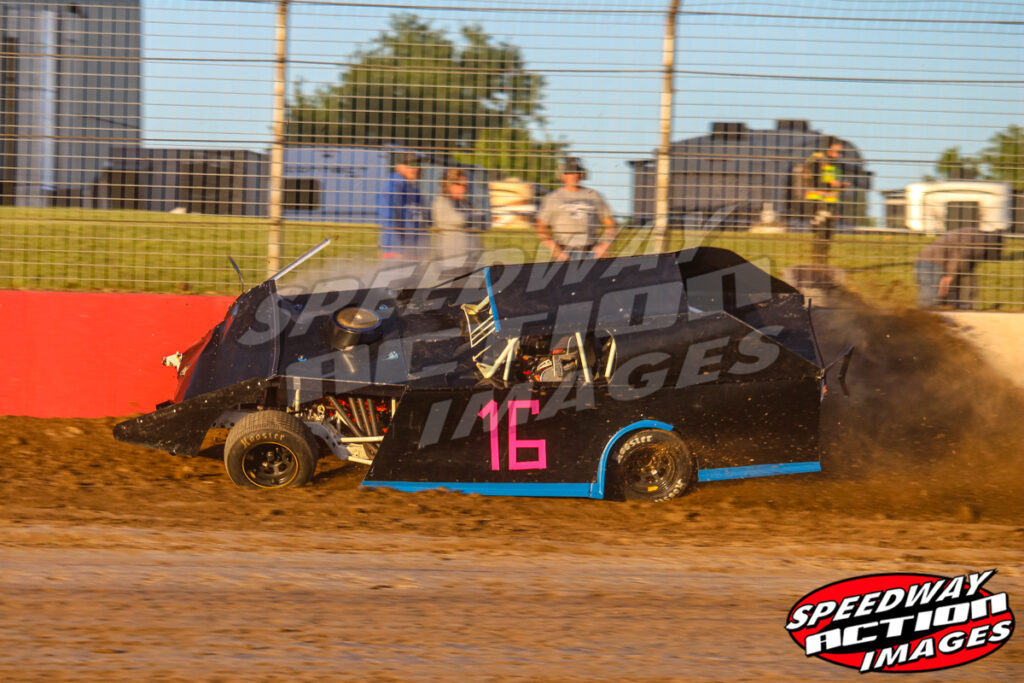
If national drivers and grandstand fans hate the delays, why do track promoters continue to book massive support classes? The answer is simple: guaranteed revenue.
Hosting a national touring series is an incredibly expensive gamble for a local track promoter. The sanctioning fees and purses are massive, meaning the promoter needs a huge crowd just to break even. To hedge their bets, promoters lean on the local racers.
If a track books a 305 sprint car or modified support class and draws 35 local cars, that represents a significant financial safety net. Each of those cars brings a driver and three or four crew members, all buying $45 pit passes. They bring wives, children, and sponsors who buy grandstand tickets, hot dogs, and beer. A healthy support class can inject thousands of dollars into the track’s nightly revenue before a single premier series ticket is sold at the front gate.
To the promoter, that 305 B-Main isn’t just filler; it’s the financial padding that keeps the lights on.
Curing the “Track Fatigue”
Despite the economic realities, the current model is testing the patience of the paying fan.
In the modern entertainment era, a sporting event stretching past midnight because of caution laps in a 305 B-Main is a recipe for losing fans. “Track fatigue” is real. When fans are shivering in the bleachers at 11:30 PM waiting for the Outlaws or High Limit stars to finally run their A-Main, the entertainment value has vanished.
If dirt racing wants to present itself as a premier, professional motorsport, it needs to rethink the undercard. Several solutions are already being championed by industry insiders:
- Strict Car Counts and Time Limits: If a support class is on the card, cap the entries. Invite only the top 20 or 24 cars in the local points standings. No C-Mains, no sprawling B-Mains. Furthermore, impose strict time limits on their races. If a support heat race sees three cautions, the checkered flag waves immediately.
- The “One and Done” Model: Many of the most successful national events have moved to a single-class format. Give the fans the absolute best sprint car drivers in the country, run a crisp, fast-paced three-hour show, and send everyone home happy by 10:00 PM.
- Running the Support Feature Last: Run the premier A-Main when the track is in its best condition and the crowd is at its peak, and let the support class run their feature afterward for the diehards who want to stay.
Parker Price-Miller’s frustration is shared by nearly every driver in the premier pit area, and echoed by the groans of fans every time a local car brings out the yellow flag. The premier sprint car tours are serving up a five-star main course; it’s time to stop letting a chaotic appetizer ruin the meal.
About the Author

Discover more from Speedway Action Magazine
Subscribe to get the latest posts sent to your email.