
There is no sound in grassroots motorsports quite like the roar of high-horsepower engines echoing off the grandstands. But long before the green flag ever drops, the true battleground is decided by the water truck and the grader. Track prep is an art form, and every promoter, driver, and fan has a strongly held opinion on what makes the perfect racing canvas.
When it comes to dirt track preparation, the debate typically boils down to two entirely different philosophies: the moisture-rich “heavy” track and the finesse-demanding “dry-slick” surface. Both produce completely different styles of racing, requiring different chassis setups, driving techniques, and—crucially—different tire strategies.
The Heavy Track: A Horsepower Paradise
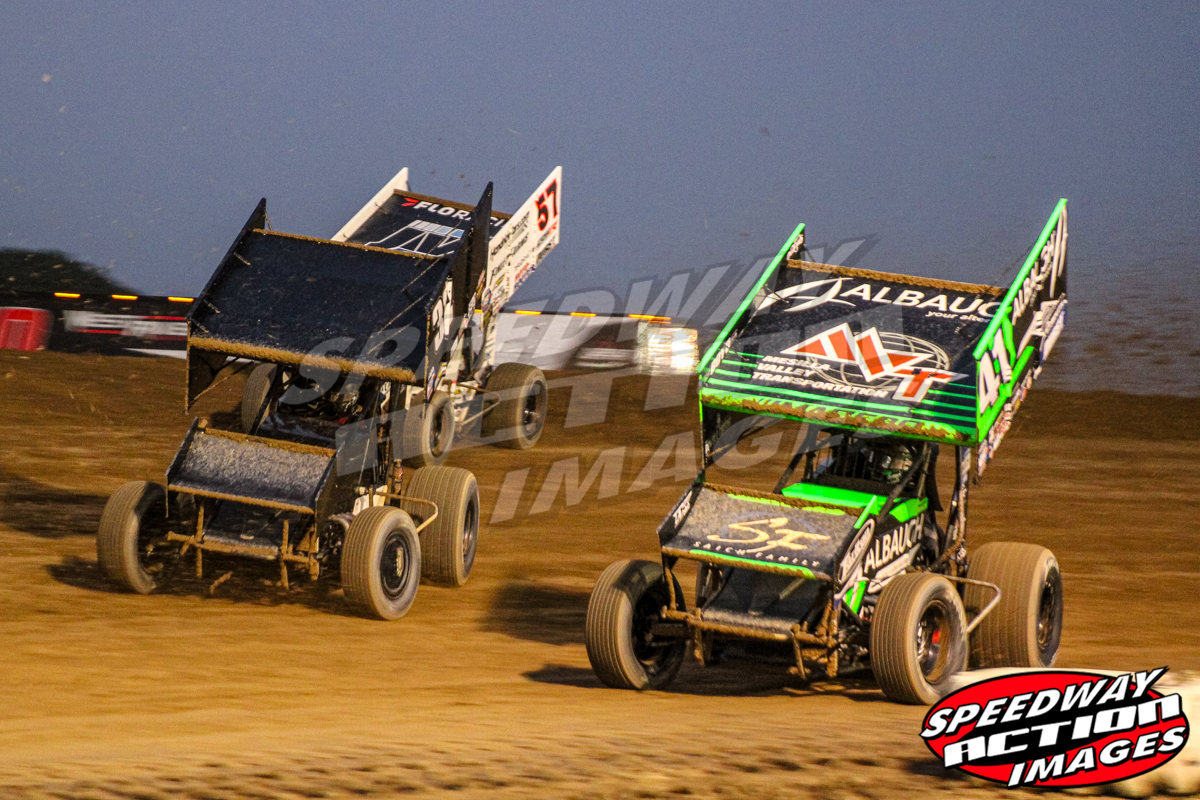
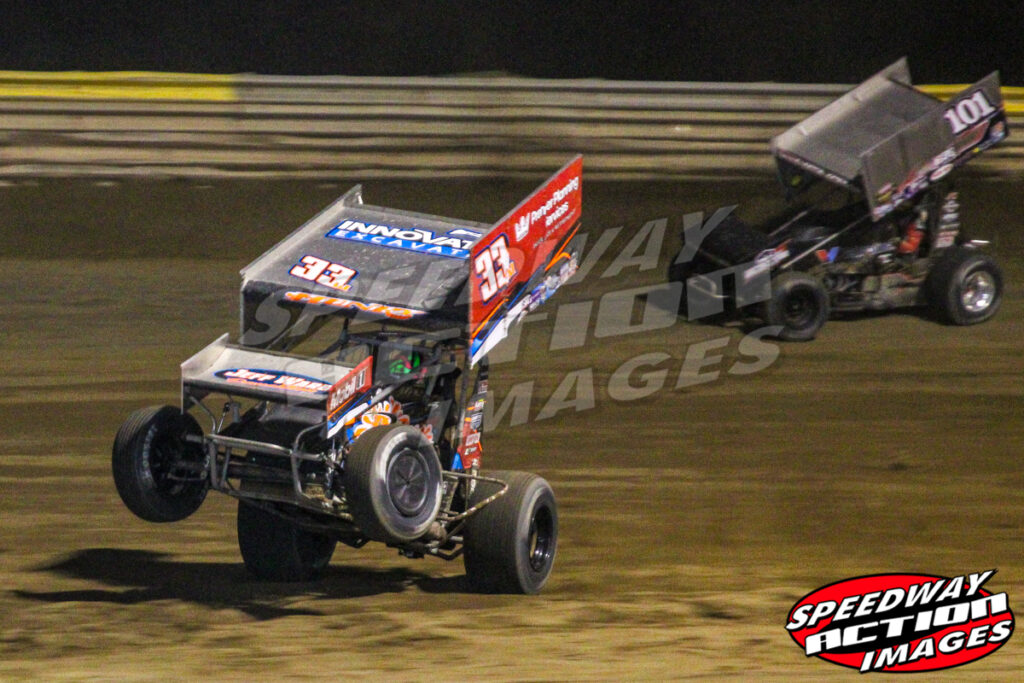
A heavy, tacky track is loaded with moisture. The clay is dark, the grip is massive, and the speeds are blistering. This is the condition where track records are shattered. Drivers can mash the throttle and let the engine eat, relying on the sheer bite of the wet clay to pull them through the corners.
The Positives:
- Raw Speed: The immense forward grip allows for breathtaking corner speeds and massive wheel-stands that bring fans to their feet.
- Visual Spectacle: Throwing heavy clods of clay into the grandstands and banging off a thick cushion creates incredible, violent action for photographers and spectators alike.
- Forgiving on Setup: With so much grip available, a slightly missed chassis setup can often be masked by a heavy right foot and raw horsepower.
The Negatives:
- Equipment Destruction: Heavy tracks are absolutely brutal on race cars. The sheer traction rips at drivetrains, overheats engines, and destroys steering components when cars dig into deep ruts.
- Occasional Follow-the-Leader Racing: When a track is too wet, the fast groove can be narrow. If a massive cushion builds up right against the outside berm, racing can become a high-speed, single-file parade where passing is nearly impossible without a slide job.
- The Mud: Tear-offs become the most valuable commodity in the pits. A driver caught in the spray will lose visibility in seconds.
The Dry-Slick Track: The Thinking Driver’s Game
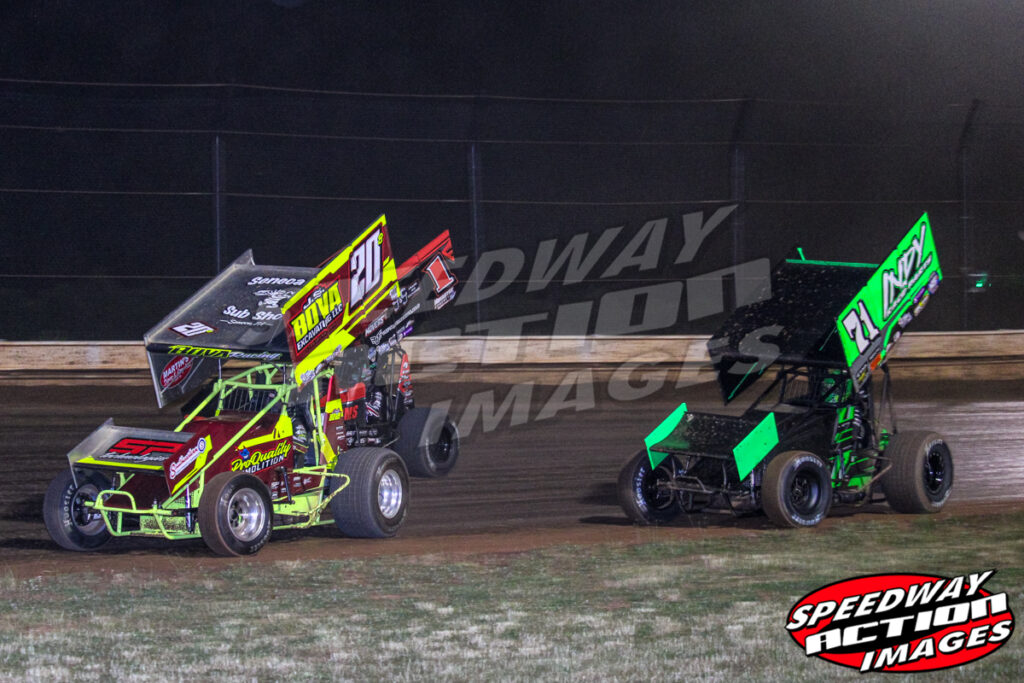
On the other end of the spectrum is the dry-slick track. Hard-packed, light in color, and polished to a shine, this surface offers little to no obvious grip. It requires a feather-light touch on the throttle and steering the car with the right rear tire.
The Positives:
- Multi-Groove Racing: Without a dominant cushion dictating the line, drivers can search the entire track for forward bite, often leading to two- or three-wide racing from the bottom berm all the way to the outside edge.
- Rewards Strategy and Skill: This surface demands pure finesse. It eliminates the advantage of raw horsepower, rewarding the driver with the best throttle control and the crew chief who masters true tire strategy and air pressure management.
- Easier on Equipment: Less grip means less strain on engines and rear ends, saving grassroots teams a massive amount of money in the long run.
The Negatives:
- The Dust Factor: A slick track can quickly become a dust bowl if not managed perfectly, creating a miserable experience for fans in the stands and making it incredibly difficult to capture clear action shots through the lens.
- Taking Rubber: If a dry track “takes rubber” (when spinning tires lay down a strip of hot, black rubber directly onto the clay), it can lock down into a narrow, single-lane groove that races exactly like asphalt, killing any chance of passing.
- Slower Pace: The lack of grip naturally slows lap times down, which can feel less chaotic to the casual observer looking for sheer, unadulterated speed.
The Verdict: The Beauty of the Transition
So, which prep style actually produces the best racing?
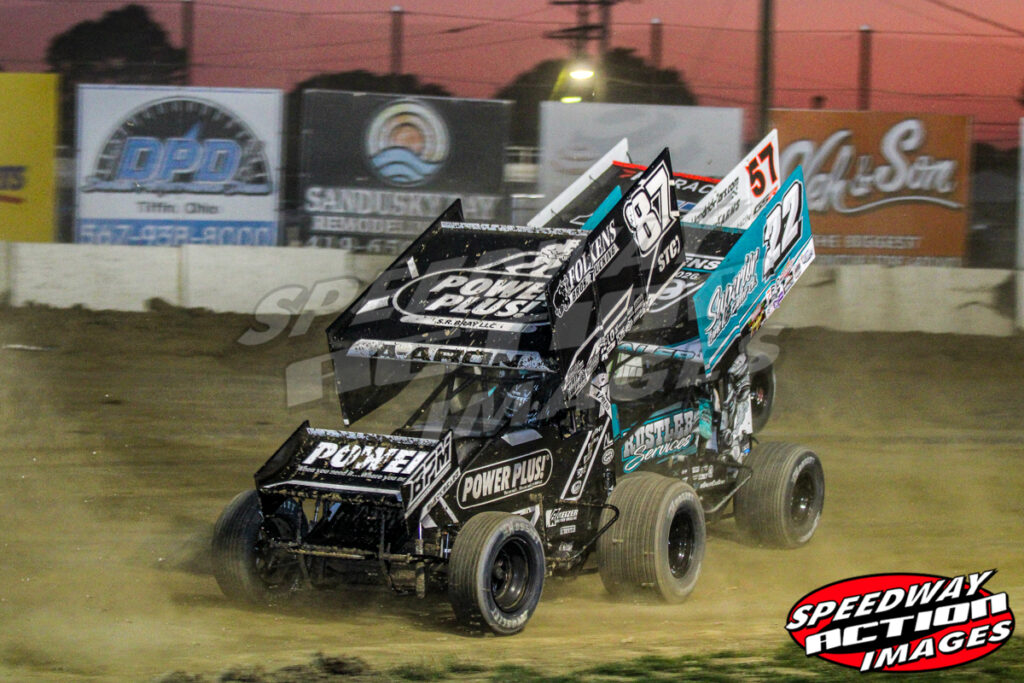
The truth is, the perfect night of racing relies on a transition track. The ideal scenario is a surface that starts out heavy and fast for hot laps and heat races—giving the crowd that visceral, mud-slinging speed—and then gradually widens out and slicks off by the time the 30-lap feature rolls around.
A slicking surface forces drivers to manage their tires, search for new lines, and rely on pure skill rather than just mashing the gas. Ultimately, whether a driver prefers leaning hard on the cushion or tip-toeing around the bottom berm, dirt racing’s ever-changing canvas is exactly what keeps it the purest form of motorsports.

About the Author

Discover more from Speedway Action Magazine
Subscribe to get the latest posts sent to your email.