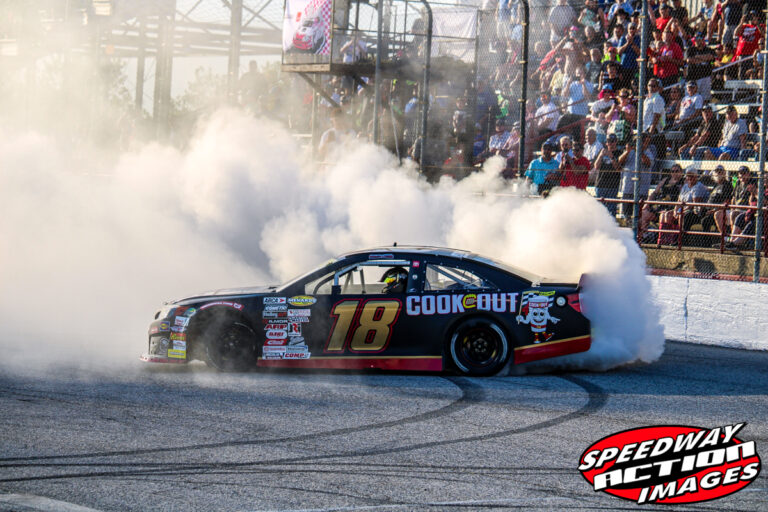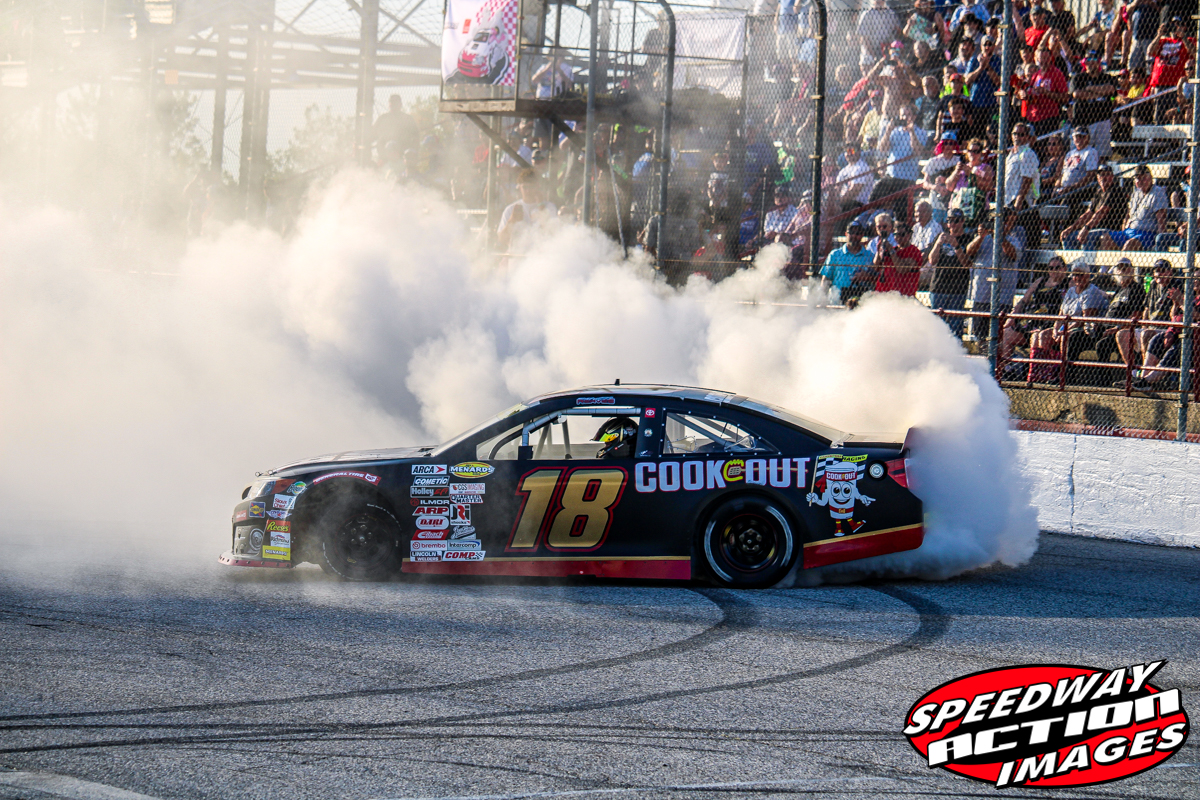
When a young driver bursts onto the scene in top-tier equipment, the racing world is quick to scrutinize their resume. In the ARCA Menards Series, 16-year-old Max Reaves is the latest prospect to strap into the powerhouse No. 18 Joe Gibbs Racing Toyota, and he has wasted no time making his presence felt. But behind the immediate success—including a flawless streak in his early ARCA East starts and commanding national wins at tracks like Elko Speedway and Madison International Speedway—lies a story of deep family roots, corporate backing, and the guidance of a NASCAR Hall of Famer.
The Intersection of Funding and Talent
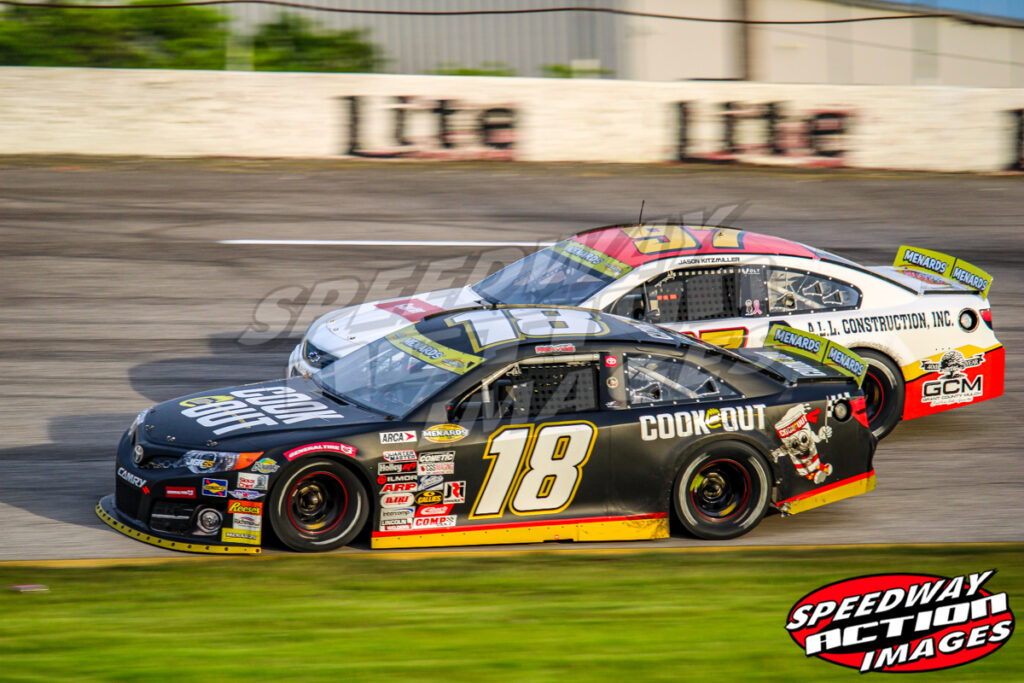
It is no secret in the garage area that Reaves has a significant advantage when it comes to financial backing. As a descendant of the Cook Out restaurant dynasty, with his father being closely associated with the popular fast-food chain, Reaves carries a built-in sponsorship pipeline. In modern motorsports, landing a top-tier ride often requires a checkbook just as much as a heavy right foot.
However, it is one thing to buy a seat in a fast race car; it is entirely another to wheel it to Victory Lane. Reaves is quickly proving that while his family connections and the Cook Out sponsorship may have opened the door, his raw talent is what keeps the No. 18 at the front of the pack. He isn’t just riding around; he’s dominating races and backing up the corporate support with genuine behind-the-wheel capability.
A Champion’s Blueprint
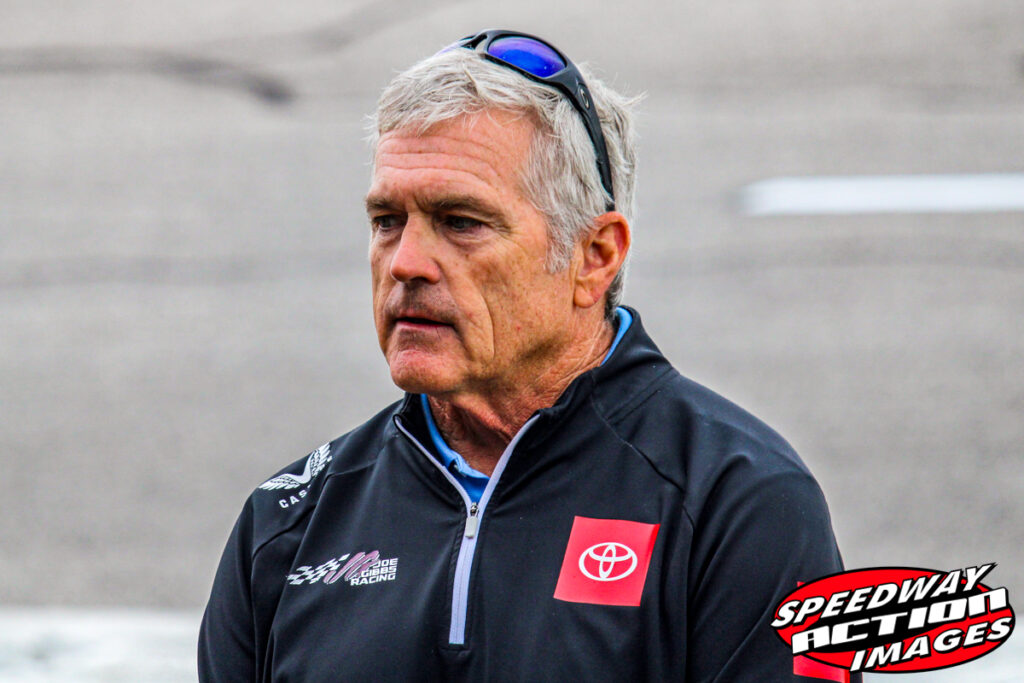
The secret weapon in Reaves’ corner isn’t just the horsepower under the hood—it’s the voice on the radio. Reaves has the distinct privilege of being coached by 2000 NASCAR Cup Series Champion Bobby Labonte. The connection between the two goes back years; they were once neighbors, and Labonte was actually the one who introduced a 7-year-old Reaves to quarter-midgets. Today, that relationship has evolved into a masterclass in stock car racing.
If Reaves wants to maximize his potential on the developmental ladder, there is no better blueprint to follow than Labonte’s.
Lessons on the Track
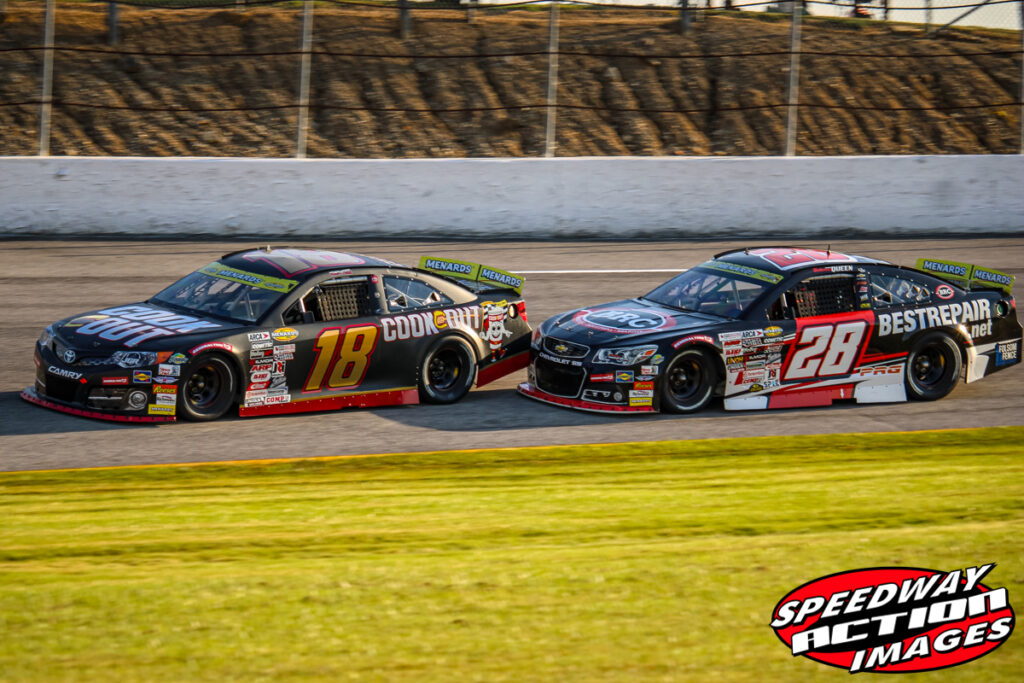
During his prime, Labonte was the quintessential “smooth operator.” He was renowned for his ability to take care of his equipment, race his competitors with clean, calculated precision, and be there at the end of 500 miles. Reaves, transitioning to the heavier, momentum-based ARCA cars, is already absorbing this philosophy. As Reaves himself has noted, Labonte heavily emphasizes the importance of keeping the car in one piece—a crucial skill for a young driver prone to the aggressive, fender-banging style of modern short-track racing. Learning how to set up a pass without using the front bumper and conserving tires for the long haul is what separates Saturday night heroes from Sunday superstars.
Lessons Outside the Cockpit
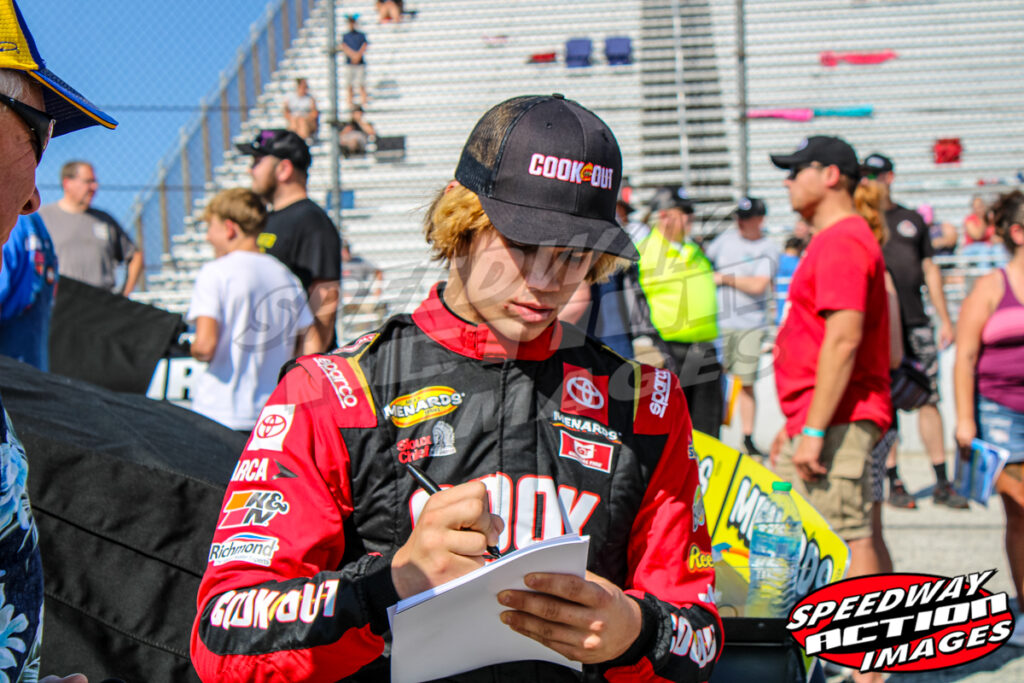
Off the track, the lessons Labonte can impart are equally invaluable. Throughout his championship career, Labonte was the gold standard for professionalism. In an era of fiery tempers, he remained steady, humble, and fiercely loyal to his partners, representing iconic brands with total class. For a young driver carrying the weight of his family’s corporate brand on the hood, Reaves can learn from Labonte how to handle the media, manage expectations, and carry himself as a true franchise driver.
Max Reaves is undeniably in an enviable position. He has the funding, the equipment, and the pedigree to make a rapid ascent up the stock car ladder. But if he continues to absorb the lessons of patience, respect, and professionalism from a champion like Bobby Labonte, Reaves won’t just be remembered as a kid with a great sponsor—he’ll be recognized as a champion in his own right.
About the Author

Discover more from Speedway Action Magazine
Subscribe to get the latest posts sent to your email.