Jim Foose – Speedway Action Magazine
By the time the checkered flag falls on the inaugural race at San Diego’s Naval Base Coronado, a brief but revolutionary era of this year’s Cup Series coverage will draw to a close. Amazon Prime Video’s five-race mid-season sprint has not just been a change of channel; it has fundamentally altered the pacing of modern motorsports broadcasting.
For the first time, the ticking clock hasn’t been the enemy.
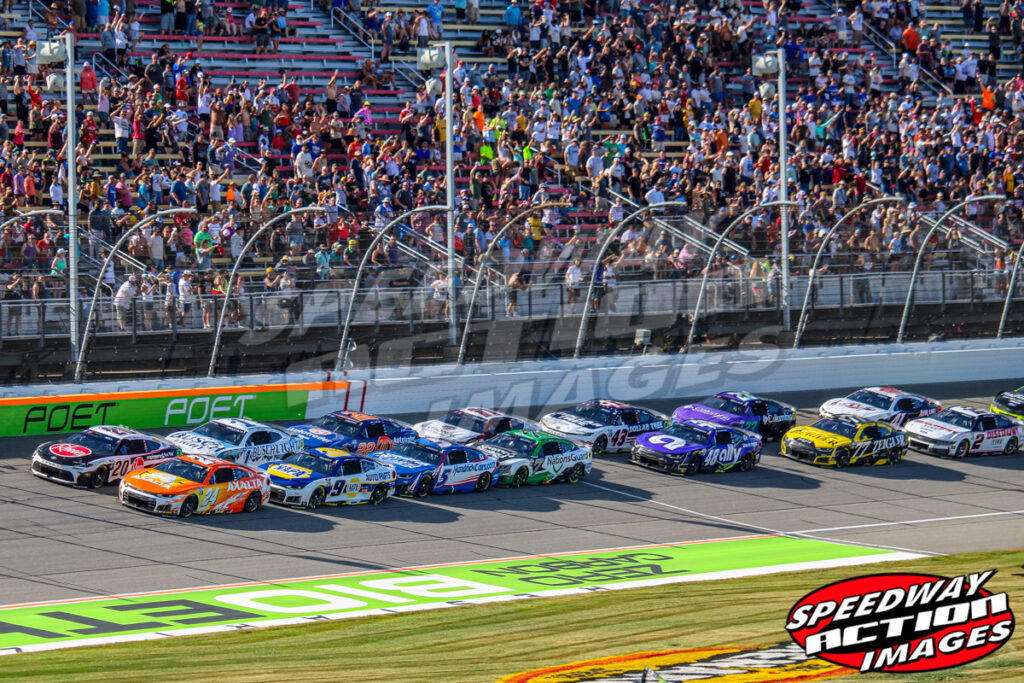
The Streaming Advantage: Bandwidth Without Borders
The true magic of moving live sports to a streaming platform isn’t just in the 1080p HDR picture or the proprietary ultra-low latency. It is the absolute freedom from the rigid constraints of a traditional television grid.
When cars are battling on the pavement on a Sunday afternoon, linear television producers are constantly fighting the clock. But on Prime, there is no prime-time movie or dramatic series waiting impatiently in the wings. When the race concludes, the broadcast doesn’t scramble for a hasty sign-off.
Instead, Prime has luxuriously stretched its legs. We’ve seen them deliver comprehensive 90-minute post-race shows, allowing the broadcast team to properly dissect the race. They have the unprecedented time to break down AI-driven telemetry, interview drivers who are still hot under the collar, and analyze the on-track product without a producer screaming “hard out in 30 seconds” into their earpieces. It allows the story of the race to breathe naturally.
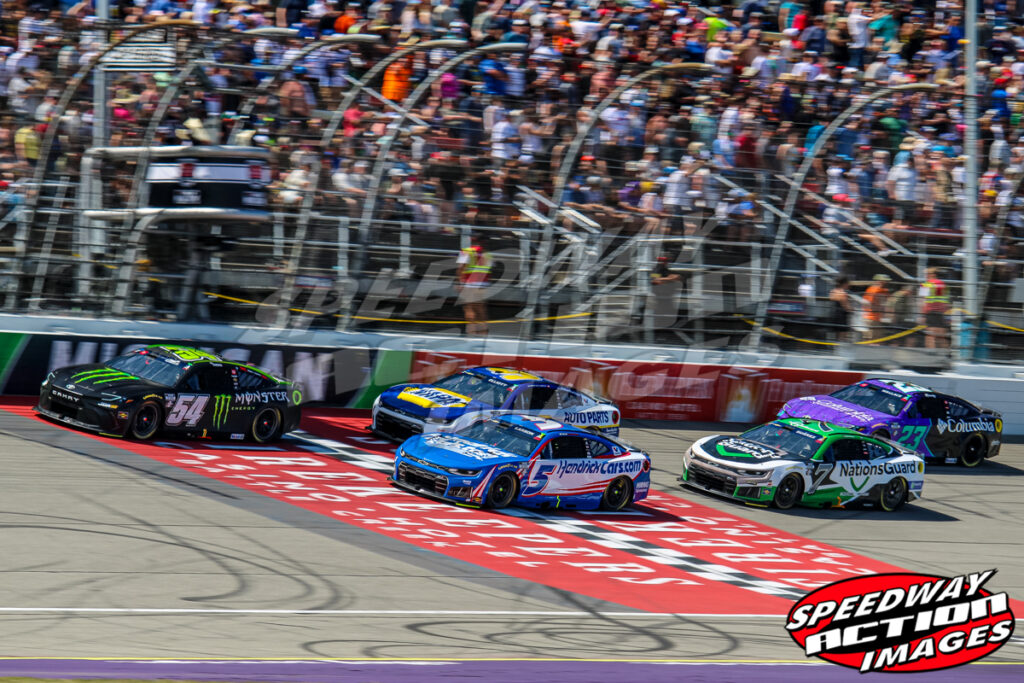
The Linear Reality Check
However, the digital honeymoon is brief. SiriusXM NASCAR Radio host Dave Moody recently issued a valid caution to the fanbase: soak up this unlimited post-race coverage while you can. Once TNT Sports takes the broadcasting baton after the San Diego event to kick off their summer stretch, the landscape abruptly reverts.
TNT is a traditional, linear cable network. Regardless of the production value or how high-action the racing is, cable networks are eternally beholden to their scheduled programming. If a race is delayed by weather, or stretched by late-race red flags, TNT cannot bump its prime-time lineup indefinitely.
As Moody pointed out, a sprawling 90-minute post-race deep dive simply will not be in the cards on linear television. When the post-race interviews are done, the network must move on to its next scheduled program.
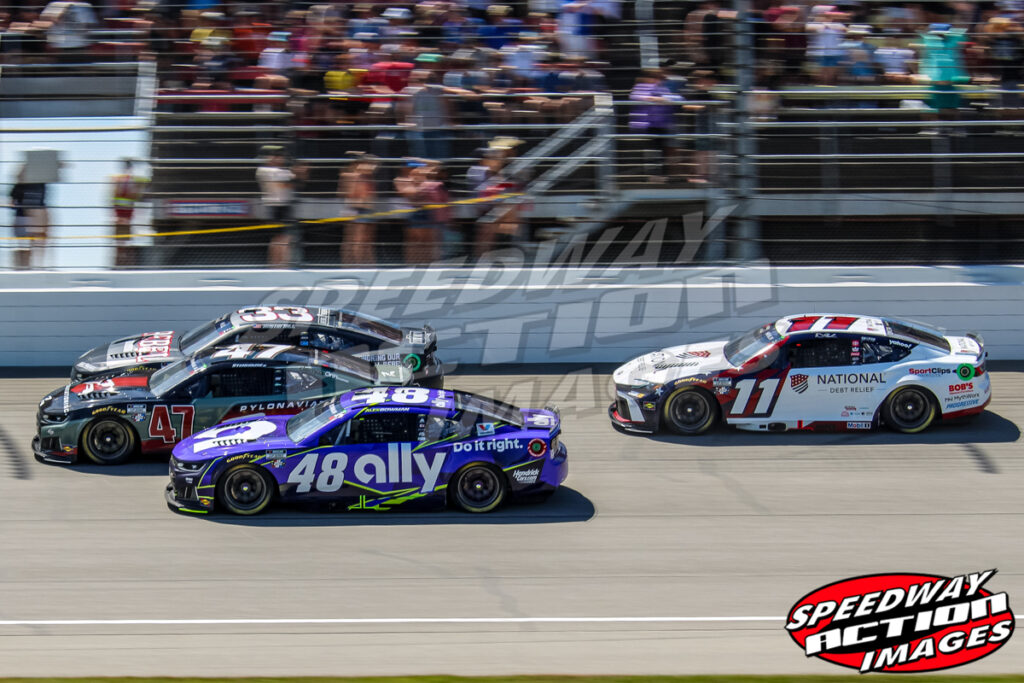
A Tale of Two Mediums
The juxtaposition between Prime’s unconstrained streaming and TNT’s scheduled linearity highlights the broader evolution of the business of racing media. Prime has given fans a taste of what coverage looks like when the narrative dictates the broadcast length, rather than a TV Guide.
As we close the book on the Coronado Street Course and head toward the thick of the summer schedule, the sport is arguably healthier for having both models. But for those who relish the granular, technical breakdowns long after the engines are shut off, the return to linear TV will be a jarring reminder that the traditional television clock stops for no one.
About the Author

Discover more from Speedway Action Magazine
Subscribe to get the latest posts sent to your email.