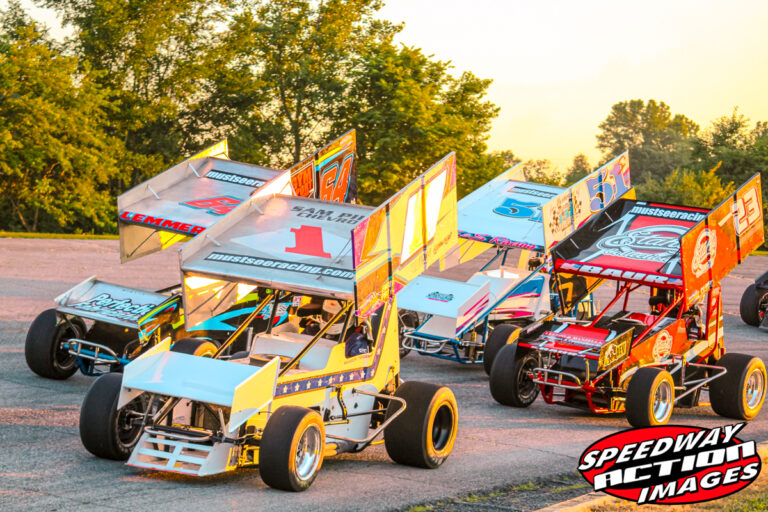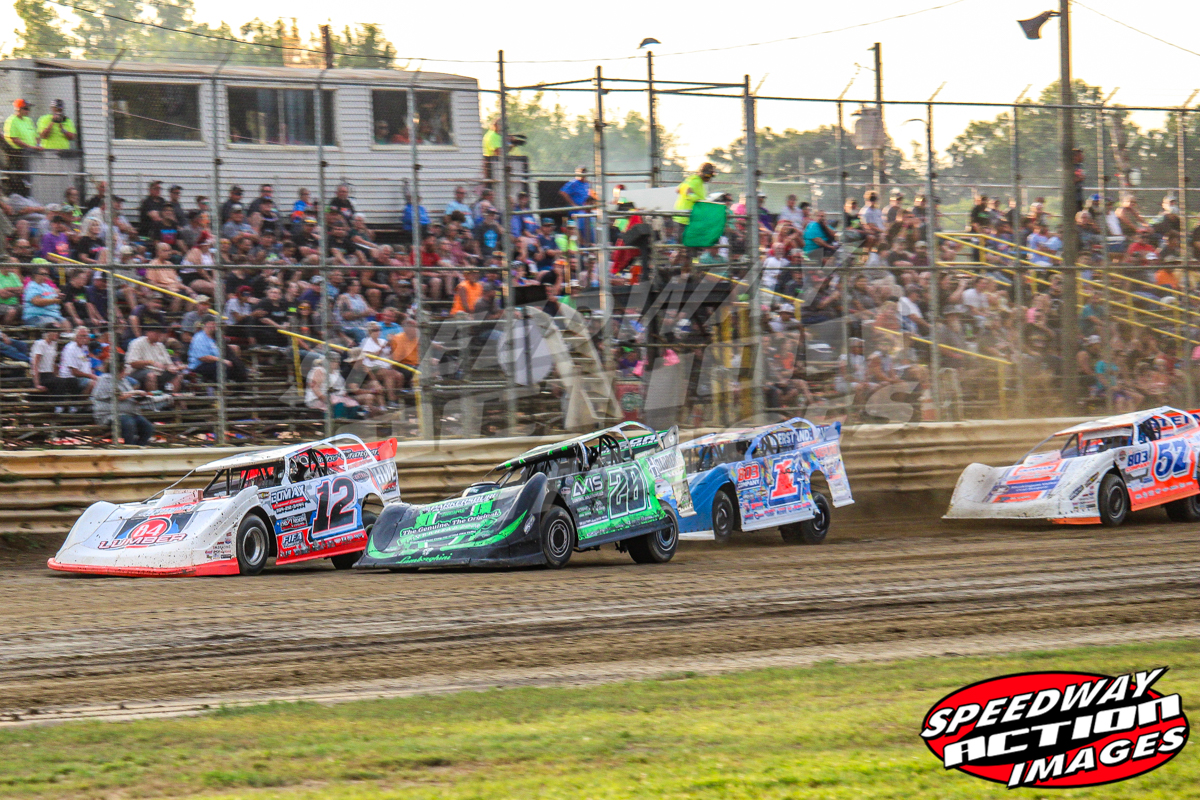

Walk through the pit area of any short track on a typical Friday or Saturday night, and you will inevitably hear the same familiar grievances: We need more places to race. We need more shows. We need better payouts.
For years, teams across the Midwest—from Ohio and Indiana up through Michigan and Pennsylvania—have clamored for more opportunities to run their cars. They want the big mid-week specials. They want the Sunday twilight shows. But when a promoter actually steps up to the plate, takes the financial risk, and unlocks the gates on a non-traditional race day, the narrative suddenly shifts.
The Promoter’s Gamble
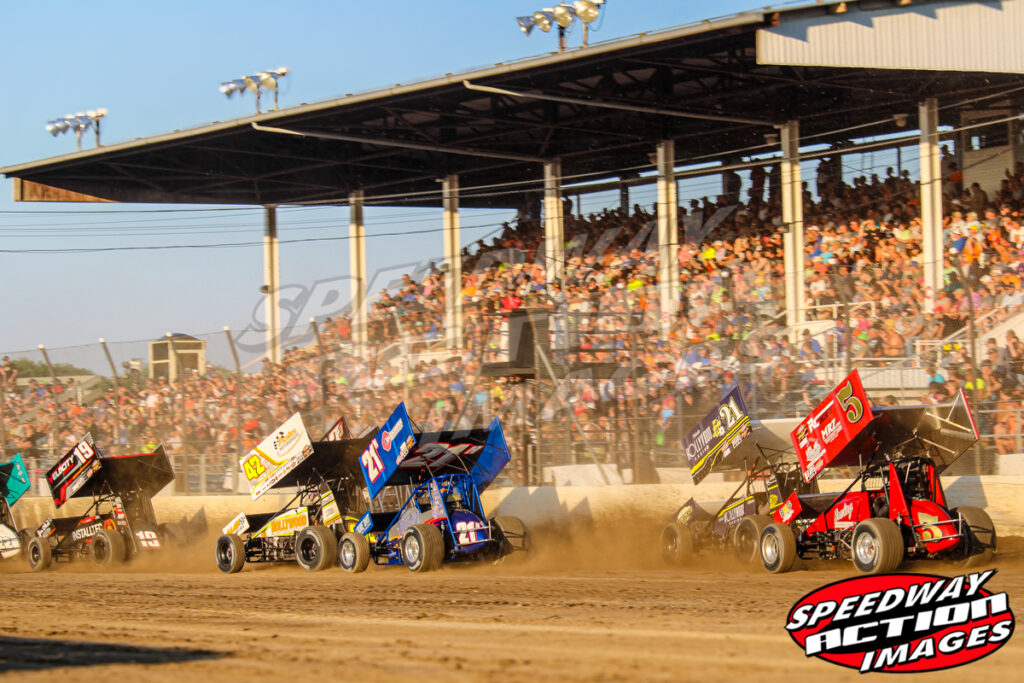
Hosting a mid-week or Sunday event is a massive undertaking. The promoter has to secure the date, pay for the insurance, staff the ticket booths, hire safety crews, and prep the racing surface, all while hoping fans will take a Tuesday night off work or skip their Sunday afternoon plans. They do this to give drivers exactly what they have been asking for: another place to race and another check to cash.
Yet, all too often, the response from the pits is underwhelming. The teams that spent all winter demanding more races suddenly find a reason not to support the event. And when they do show up, the most common excuse for loading the car back into the hauler before the heat races even start comes down to two words: track conditions.
The Reality of the Surface
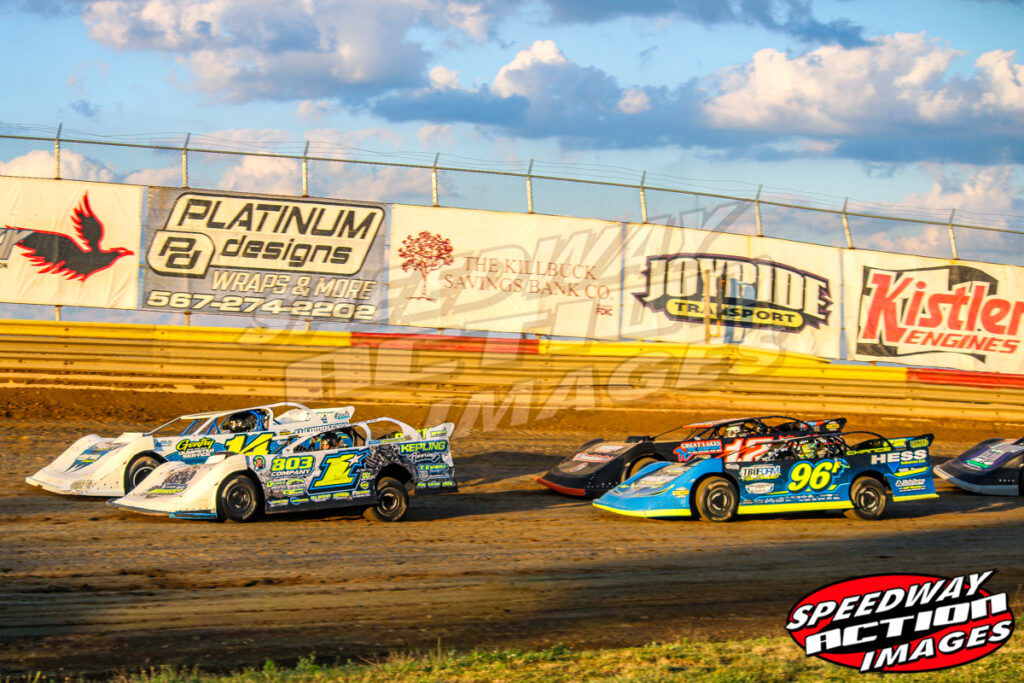
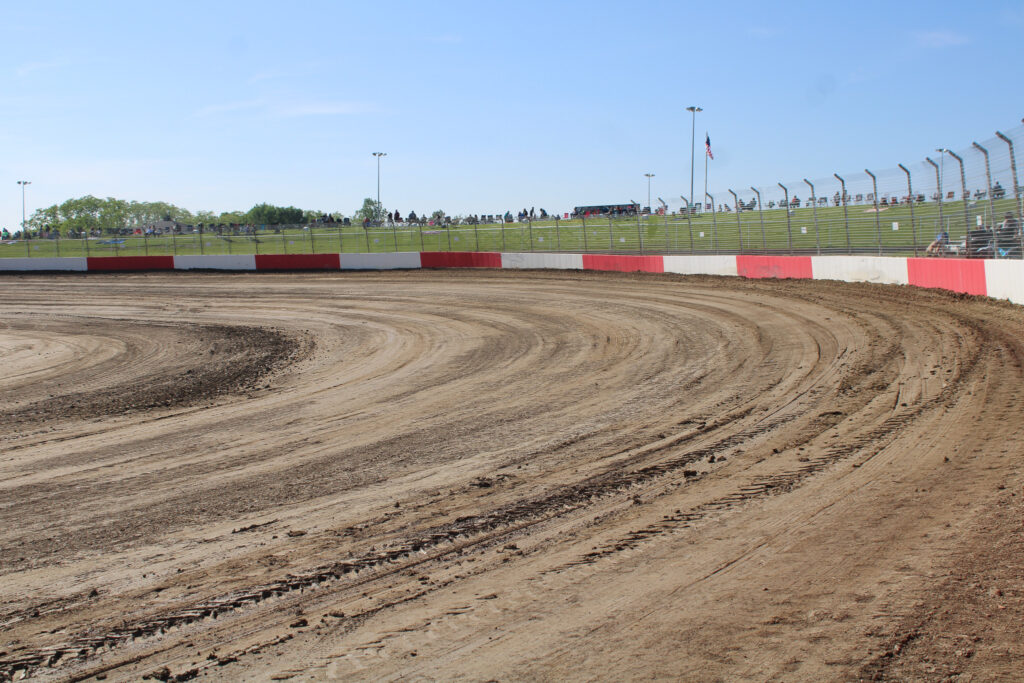
Maybe the summer sun baked the moisture out of the clay, leaving it slick and dusty. Maybe the cushion is pushed right to the absolute edge—which is a genuine challenge at a place like Attica, where there is no outside wall to save a mistake, just a berm and a steep hill drop-off if a driver steps over the line.
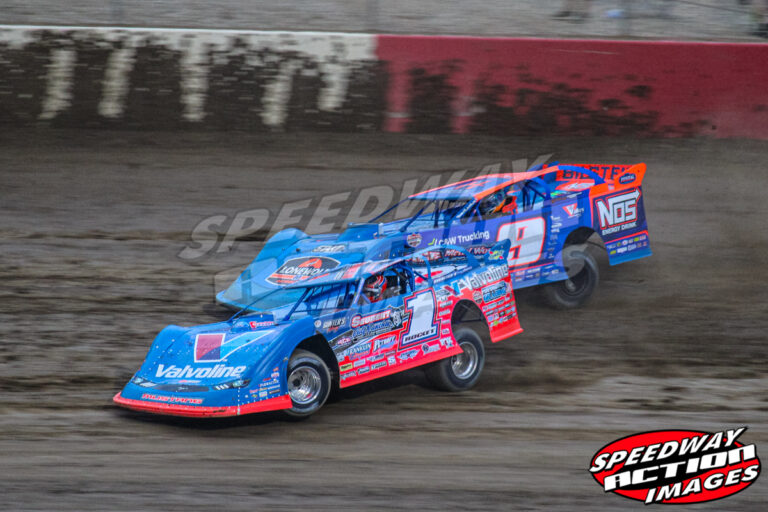
When a track gets rough, rutted, or rubbered down, the complaints start flying. Teams protest the cost of equipment and the wear and tear on the cars. Racing is brutally expensive, and preserving equipment is a real concern. But racing is also fundamentally about adapting to the surface you are given.
This is predominantly a dirt track phenomenon. On the asphalt side, this problem is nearly non-existent. Asphalt teams rarely pack up and leave early over a lack of grip; they typically only load the car back into the hauler if there is a true safety concern, such as the asphalt literally coming up in the corners or a broken retaining wall. But on the dirt, the threshold for pulling the plug seems to get lower every season.
Supporting the Sport
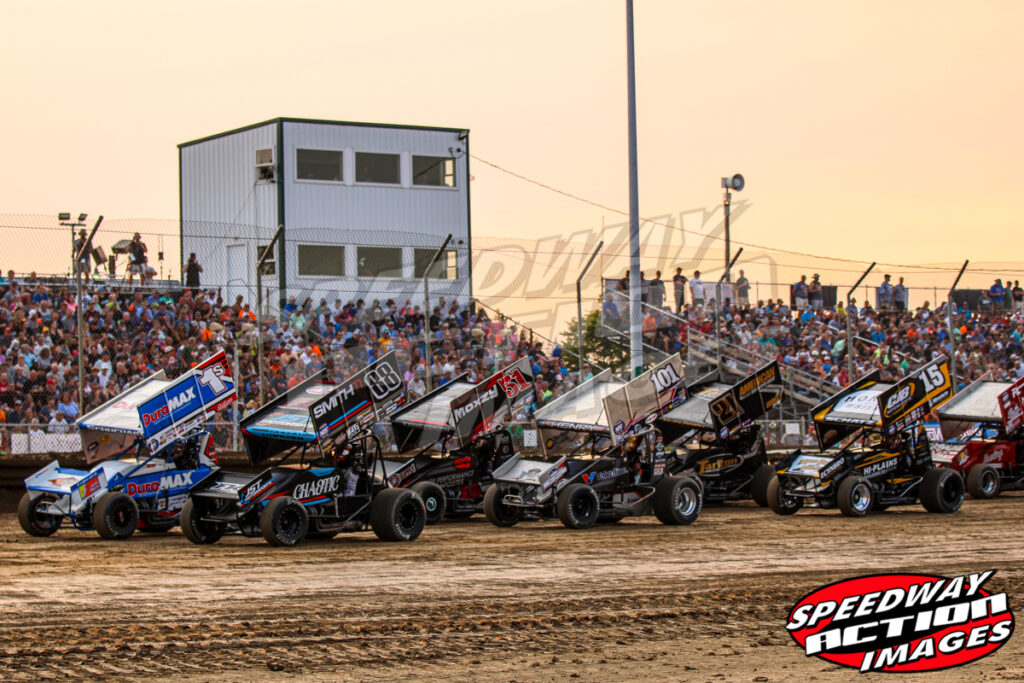
When drivers load up and leave early—or choose to stay home entirely—over less-than-perfect dirt conditions, the promoter takes a financial beating. When a mid-week show loses money, that date disappears from the schedule the following year. The region loses a race, the fans lose a show, and the drivers lose another opportunity to get paid.
Track conditions are rarely going to be perfect on a Tuesday night in July or a Sunday afternoon in August. But if teams genuinely want the grassroots racing scene to thrive, they have to support the promoters who are willing to stick their necks out. A dusty, rutted track with an open payout window is infinitely better than a perfectly groomed facility with locked gates.

About the Author

Discover more from Speedway Action Magazine
Subscribe to get the latest posts sent to your email.