Jim Foose -Speedway Action Magazine
The racetrack is a sanctuary of sound. It is an ecosystem built on the deafening roar of high-horsepower engines, the screech of tires, the chatter of the scanner, and the roar of the crowd. We, as members of the motorsports media, spend our weekends swimming in this noise, analyzing it, and translating it for the fans at home.
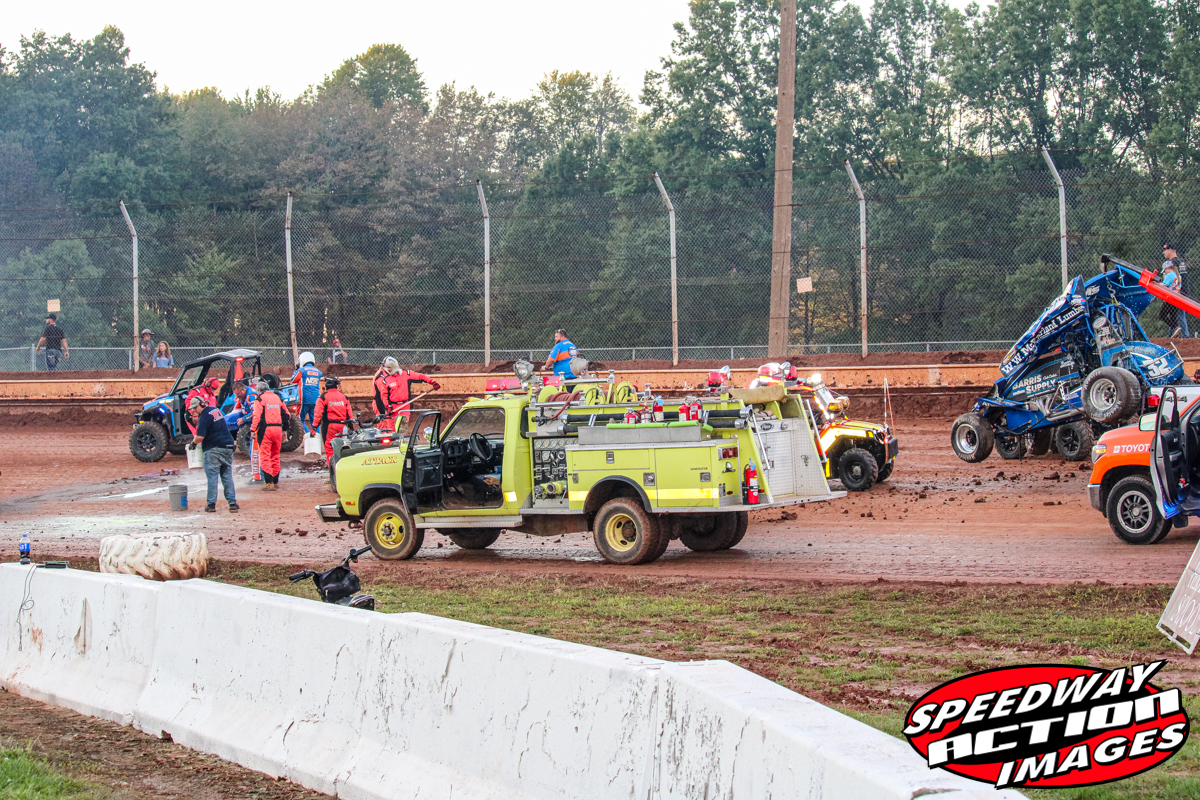
But there is a specific, chilling silence that occasionally falls over a track. It happens when the red lights turn on, the engines are cut, and the safety trucks scramble. In that heavy, breathless quiet, the most important lesson a journalist can learn is to mirror it.
When tragedy strikes at a racetrack, silence isn’t just golden—it is our absolute duty.
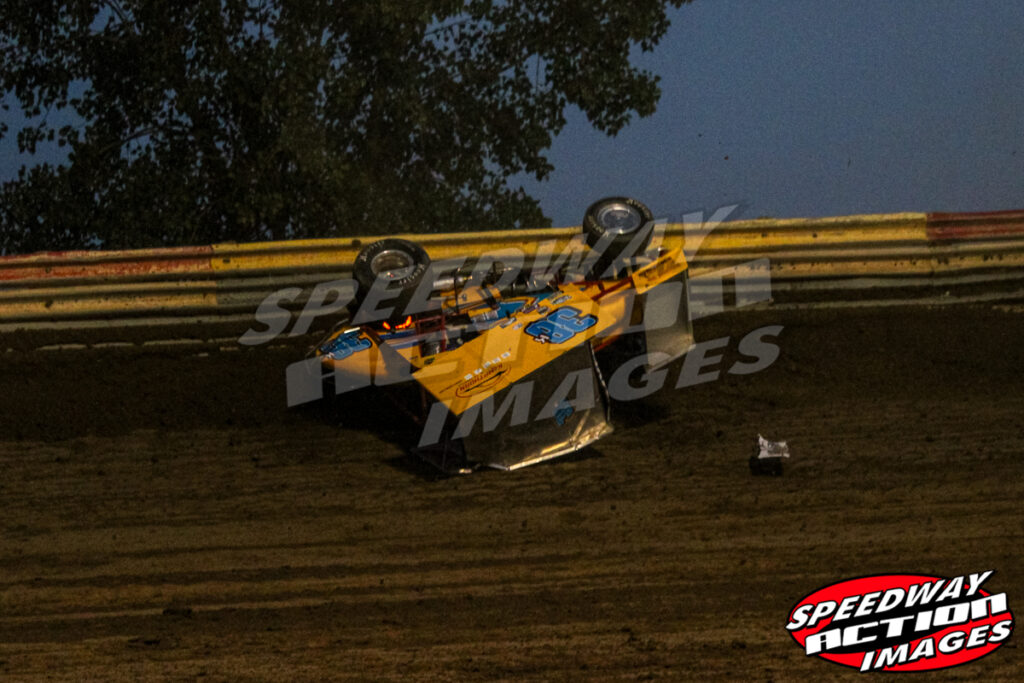
The Danger of the Guessing Game
In today’s hyper-connected, instant-gratification media landscape, the pressure to be the first to break a story is immense. When a severe accident occurs, the immediate reflex for many is to reach for their phones. What happened? Who was involved? Did you see the replay?
However, when a driver’s life or the safety of the fans is on the line, speculation is a weapon.
- It fuels false reports: A misidentified car number or a misinterpreted radio transmission can spiral into widespread misinformation within seconds.
- It creates unnecessary drama: Sensationalizing an ongoing emergency distracts from the vital work of the safety crews and medical professionals.
- It causes real human pain: Behind every driver, crew member, and official is a family. The thought of a loved one learning about a tragedy through a baseless social media rumor is a scenario no journalist should ever be responsible for creating.
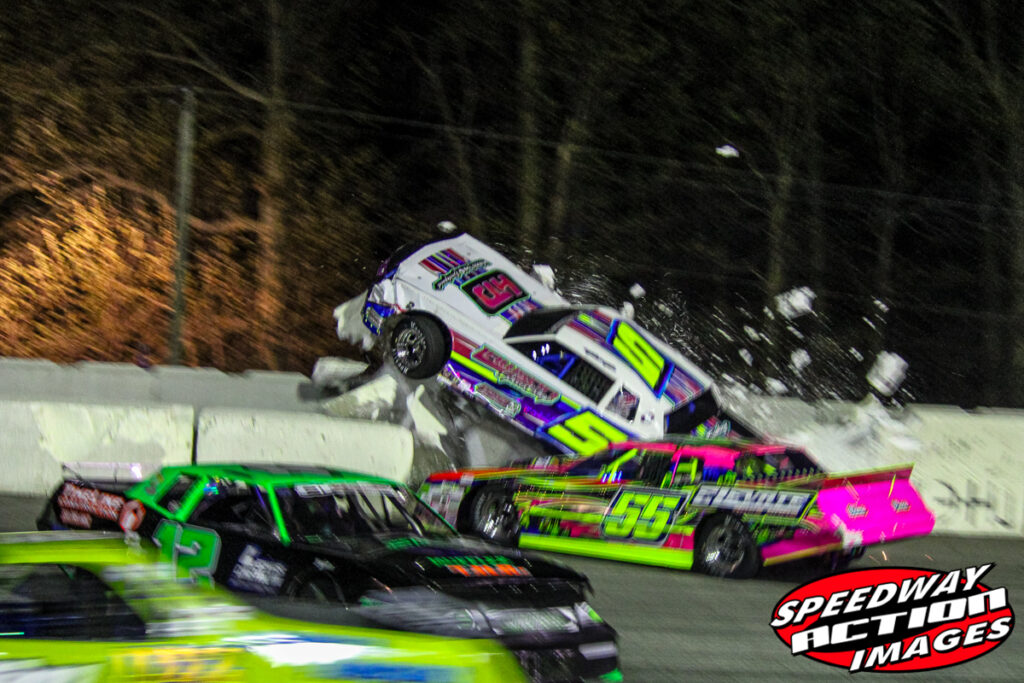
A Lesson Learned on the Asphalt
I have witnessed a handful of tragedies at race tracks over the years. Each one leaves an indelible mark, changing the atmosphere of the paddock in an instant. For many media members, the urge to figure out what was happening and report it immediately is a strong instinct. But experience is a stern teacher.
I’ve watched rumors tear through the grandstands and pit area, only to be entirely dismantled by the official medical update an hour later. I’ve seen the panic that premature reporting causes. Through these heart-wrenching moments, I have learned the hardest, truest lesson of this profession: in the immediate aftermath of a severe incident, it is always best to stay silent.
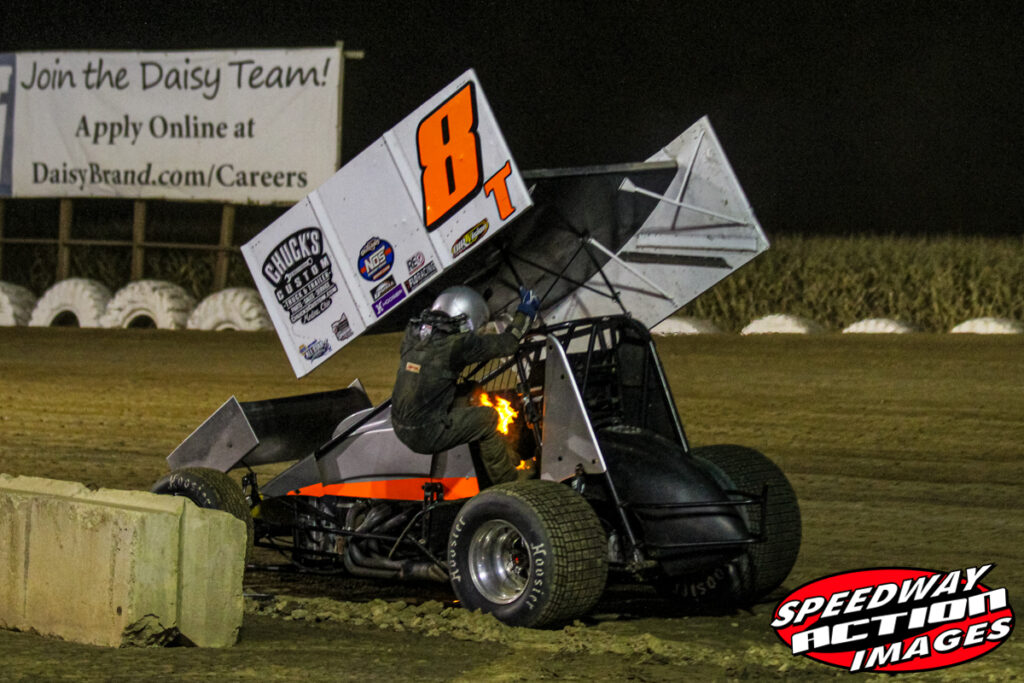
The True Job of the Media
Our responsibility does not pause during a tragedy, but its nature shifts entirely. When the worst-case scenario unfolds, our job is no longer to provide blow-by-blow commentary. Our job is to:
- Step back and let the professionals work: Safety crews, medical staff, and track officials are operating in high-stakes, life-or-death scenarios. They do not need the media impeding their process or demanding answers before the dust has settled.
- Cooperate fully with investigations: Whether it is the sanctioning body, local law enforcement, or track management, authorities need space and time to gather facts. If we hold footage or photographs that could aid an investigation, we provide them to the officials—not to the internet.
- Wait for the official word: We report facts. Until a statement is released by the track, the racing series, or the local authorities, we do not have facts; we only have an incomplete picture.
The Weight of the Written Word
Being a member of the media is a privilege that comes with profound responsibility. We are entrusted with telling the stories of the brave individuals who strap into these machines. When one of those stories takes a tragic turn, we must handle it with the utmost respect.
Silence in the face of an emergency is not a failure to report. It is the exercise of discipline, empathy, and journalistic integrity. The noise of the racetrack will eventually return, and when the facts are clear, we will do our jobs and tell the story. But until that moment arrives, let the track remain quiet. Let the safety teams work. And let our silence speak to our professionalism.
About the Author

Discover more from Speedway Action Magazine
Subscribe to get the latest posts sent to your email.