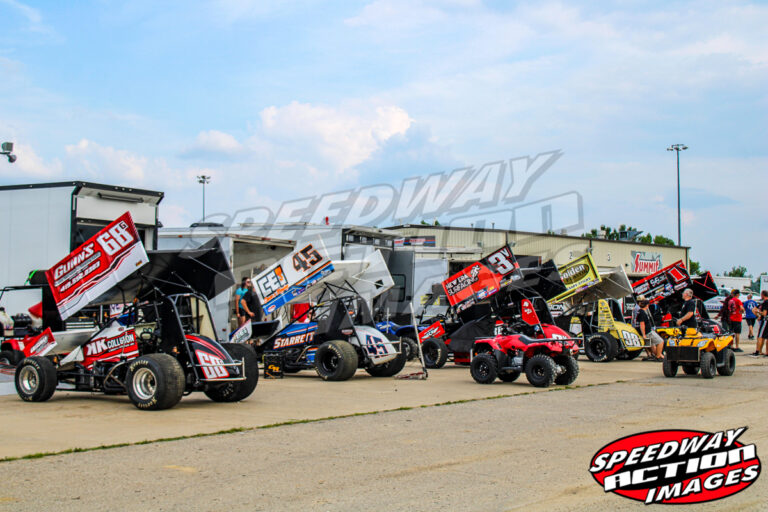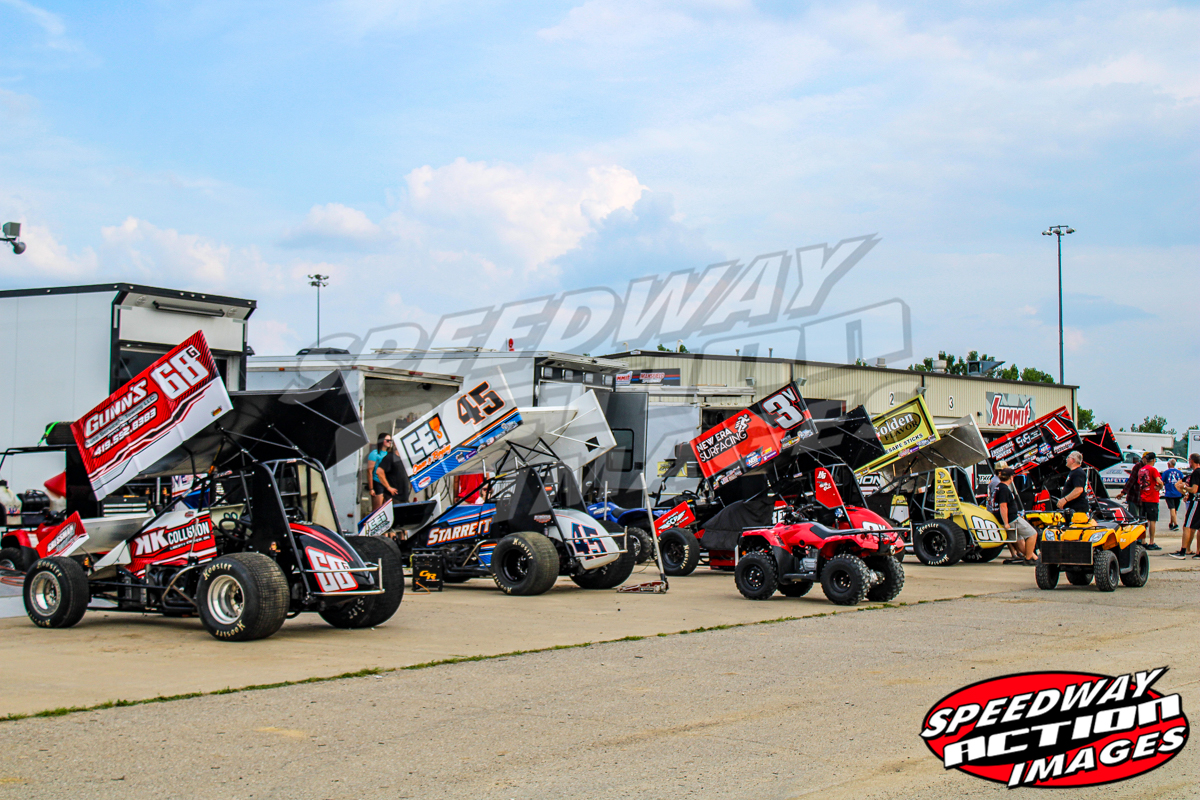

The pit area of a local short track has always been the ultimate backstage pass. It is a place of organized chaos—smelling heavily of race fuel, hot rubber, and burnt oil, and alive with the frantic hum of air wrenches and screaming engines.
Earlier this season, I wrote an article about race tracks begging parents to pay attention, the issue then was children running freely in the pit area. I recently saw social posts from drivers both locally and around the country who have had close calls with scooters and e-bikes in the pit area recently. While the current season is winding down, there’s still several big events on the calendar and for many racers and fans alike, they will be traveling to tracks they may not regularly attend. Now is a good time to remind the younger members of the pit crew that pit areas are dangerous places, and they should be aware of their surroundings when walking through the pit area.
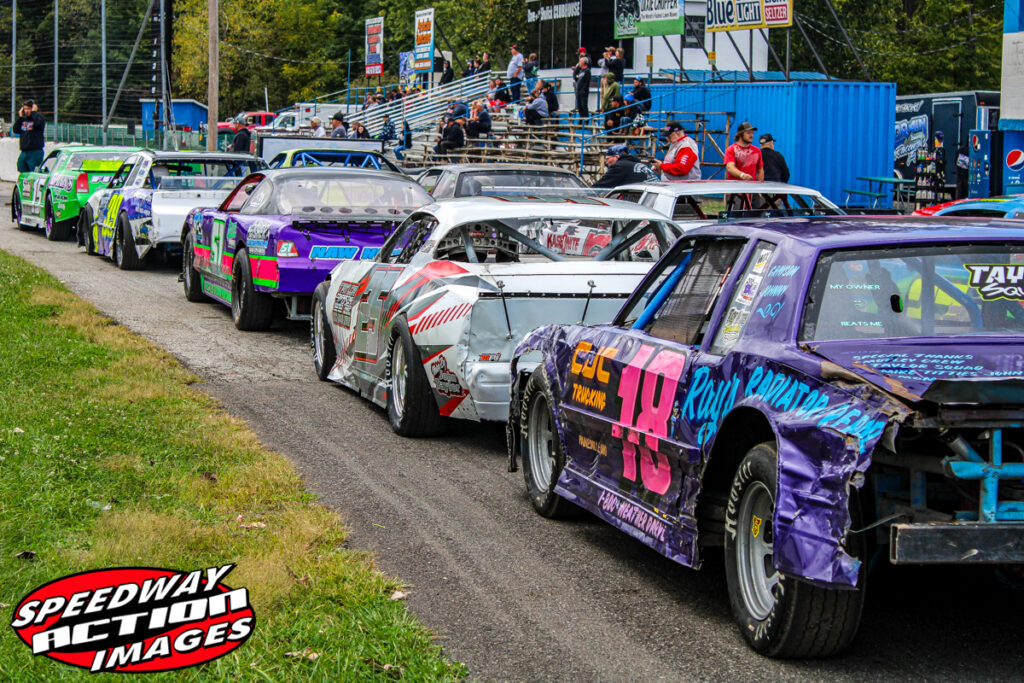
For decades, getting through those gates was a hard-earned milestone. At tracks like the historic Lorain County Speedway, strict age floors meant minors were locked out entirely, or forced to wait until their teens to experience the inner sanctum. I still remember the exact year I finally crossed that threshold: I was 13, having patiently waited out the rules until Lorain County lowered its pit admission age from 16 to include younger minors. Walking into that paddock felt like stepping into an exclusive club.
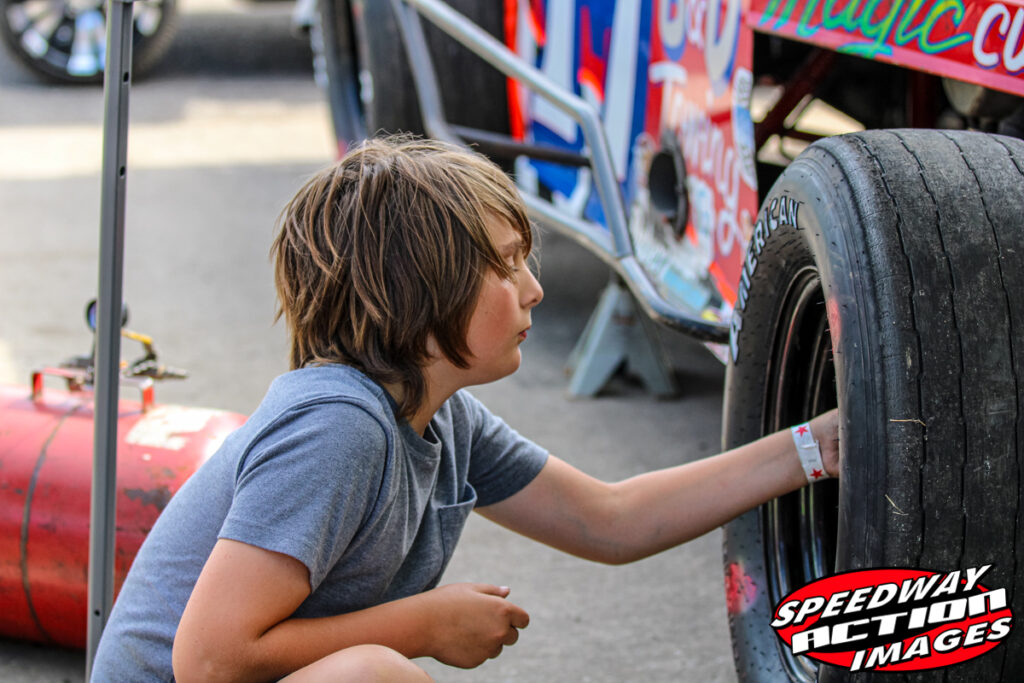
Back then, safety protocols governed those tight quarters. The pit area was treated as an active industrial zone. People walked with a purpose, kept a watchful eye on moving haulers, and respected the heavy machinery.
Fast forward to today, and the landscape of the local racing paddock has shifted dramatically—often for the worse. Walk through the pits at many bullrings across the country on any given Saturday night, and you are likely to dodge a pack of pre-teens and toddlers zipping around on high-torque e-bikes, motorized scooters, and pocket bikes.
What was once a controlled, pedestrian-heavy workspace has morphed into an unregulated obstacle course. Modern electric bikes and scooters can accelerate instantly and silently—a dangerous combination in a crowded area where race haulers are backing up, crews are rushing tires to the grid, and drivers have limited visibility through multi-layered window nets and helmets.
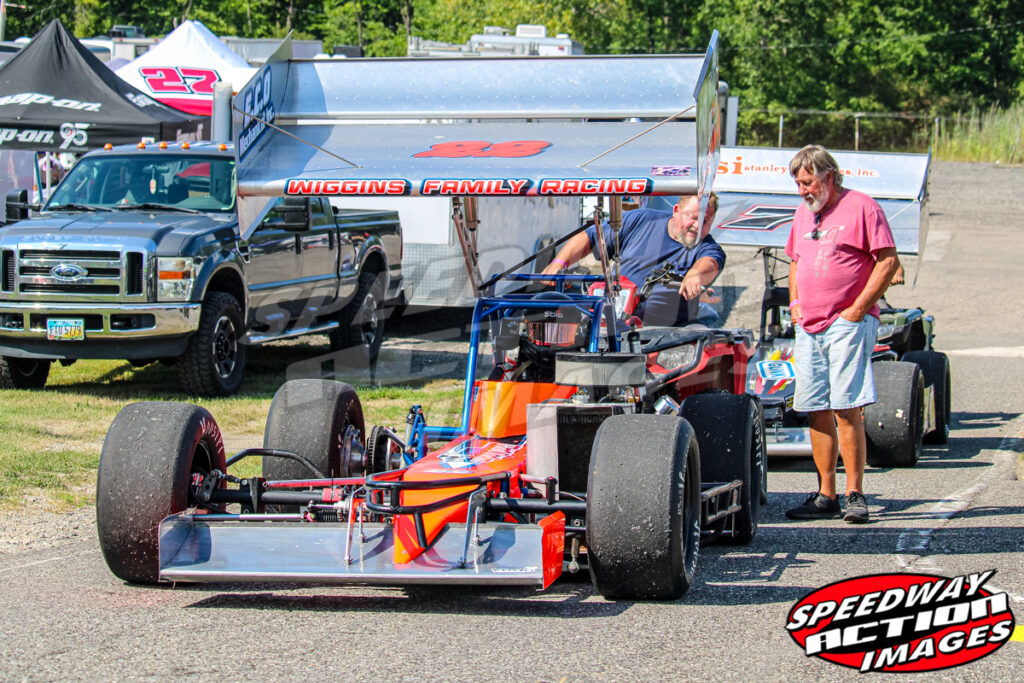
Tracks have relaxed age restrictions to draw in families and accommodate the modern racing lifestyle, but the proliferation of unmonitored pit vehicles has created an accident waiting to happen. When a high-speed e-bike operated by a 10-year-old crosses paths with a 3,000-pound stock car moving under its own power, the margin for error is zero.
Local racing has always prided itself on being a tight-knit, family-oriented community. But as pit bikes and e-scooters multiply, track promoters and parents alike need to realize that the pit area is a workplace, not a neighborhood cul-de-sac. Restoring a sense of order—through strict speed limits, designated vehicle-free zones, and enforced age limits on motorized paddock toys—isn’t about killing the fun; it’s about making sure everyone goes home safely when the checkered flag drops.

As the official 2026 health and wellness partner of Speedway Action Magazine, Recrea Health & Wellness is dedicated to helping the Northeast Ohio racing community achieve peak performance on and off the track. From advanced recovery therapies to hormone optimization and weight loss programs, their Medina clinic provides the care you need to stay energized for those long hours in the garage. Discover your optimal health at recreahealth.com.
About the Author

Discover more from Speedway Action Magazine
Subscribe to get the latest posts sent to your email.