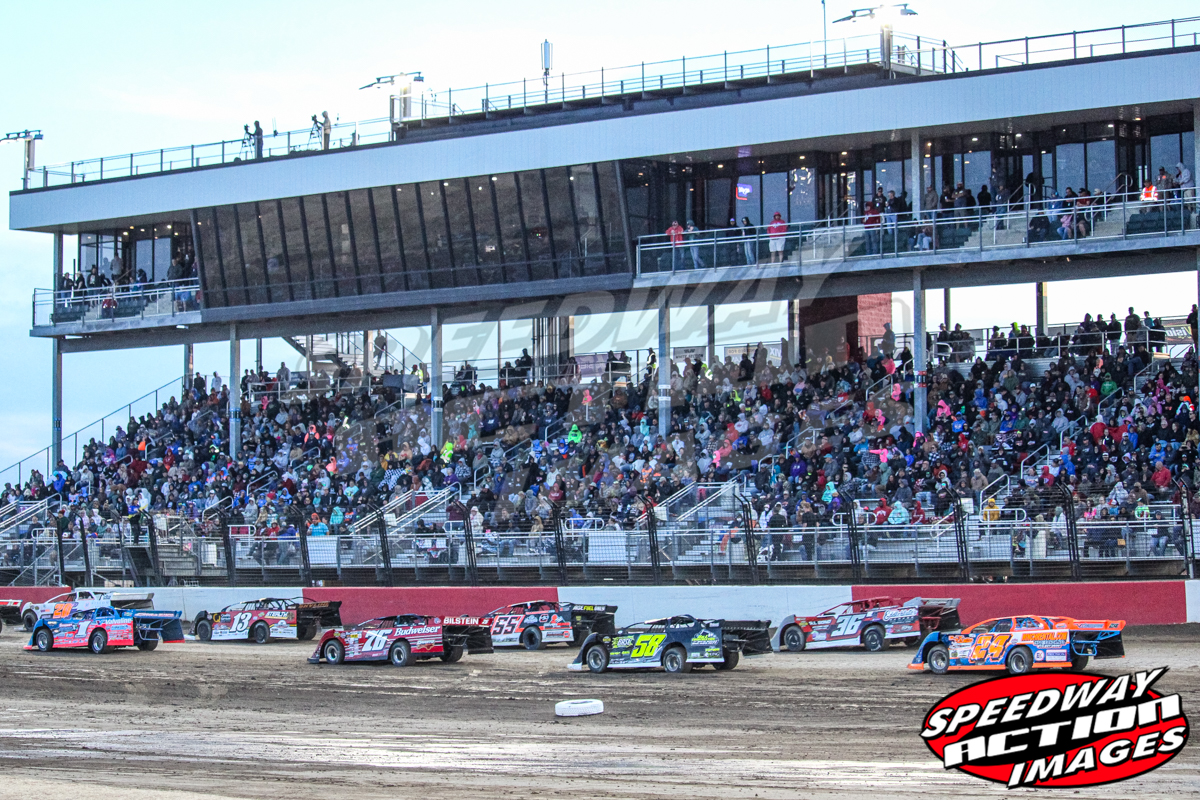
By the time the checkered flag waves, the only thing racing faster than the cars should be the fans’ drive home. Here is why the survival of mid-week racing relies on a ruthless sense of urgency.
There is a unique, undeniable magic to a mid-week race. Whether it is a Wednesday night dirt track special or a Thursday evening asphalt race, mid-week racing breaks up the mundane grind of the workweek. It swaps the glow of fluorescent office lights for the stadium glare illuminating turns three and four, and trades the hum of the air conditioner for the roar of race engines.
But there is a dark side to the mid-week special, a looming specter that threatens the very existence of these grassroots events: The morning alarm clock.
Let’s face a cold, hard fact. Nobody—not the fans in the grandstands, not the drivers in the pits, and certainly not the crew members who volunteered their evening—wants to pull into their driveway at 1:00 AM after a Wednesday night race. The adrenaline of a photo finish fades awfully fast when you are staring down a 6:00 AM wake-up call and a ten-hour shift at the shop or the office.
When a mid-week program drags, it doesn’t just exhaust the crowd; it actively discourages them from ever coming back. This is where the burden of survival shifts directly from the track surface to the tower.
The Tower’s Mandate: Absolute Urgency
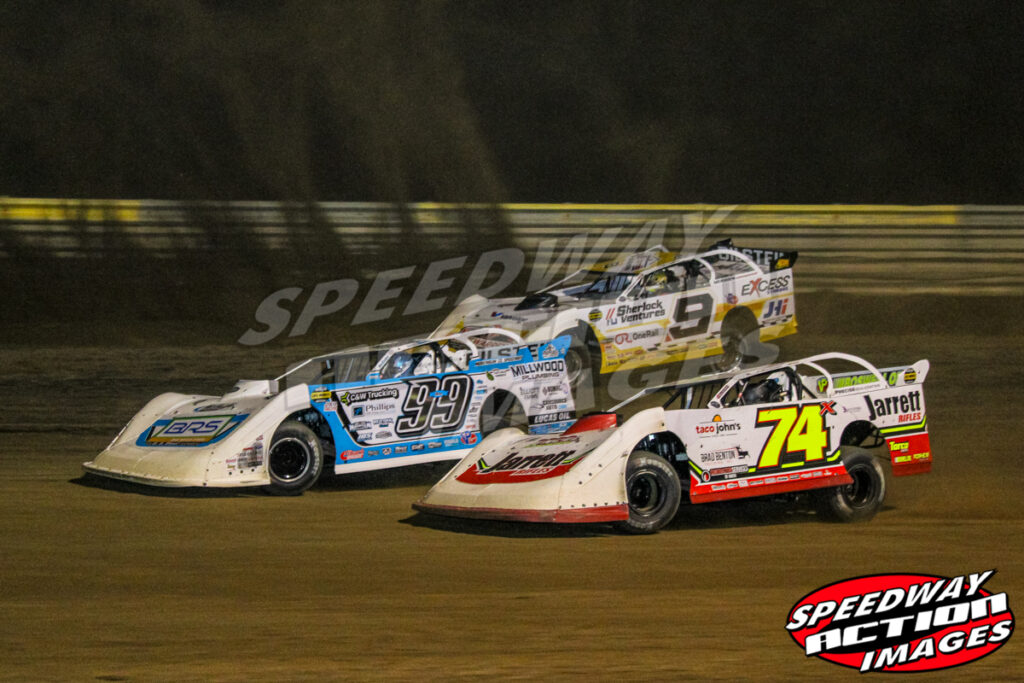
For a mid-week race to thrive, Race Control must operate with a relentless, unapologetic sense of urgency. The folks with their fingers on the caution lights and their voices on the PA system are the absolute dictators of the night’s momentum. If they are relaxed, the show stalls. If they hustle, the energy in the grandstands stays electric.
Keeping the program moving along isn’t just about starting on time; it’s about eliminating the dead air that plagues modern short-track racing.
Here is how Race Control can keep the mid-week show on the fast track:
- Master the Line-Up: The next class should be strapped in, fired up, and sitting at the entrance ramp before the current race takes the checkered flag. The moment the track is clear, the next field should be rolling. Five minutes of dead track time between six different classes equals a half-hour of wasted sleep.
- Rapid-Fire Cautions: Accidents happen, but sorting out a lineup shouldn’t take a dozen caution laps. Race Control needs to utilize driver radios efficiently. Make the call, align the cars, and go green. If a driver argues their position under yellow, send them to the tail. Mid-week racing has no time for on-track litigation.
- Streamline Track Prep: Track promoters need to be honest about their surfaces. While a perfectly manicured dirt track is ideal, a mid-week crowd will gladly accept a slightly slicker surface if it means skipping a 45-minute intermission for watering and grading.
- Cut the Fluff: Save the lengthy driver interviews, the six pace laps, and the drawn-out ceremonies for Saturday night. Mid-week fans want to see green-flag racing.
Leave Them Wanting More (and Awake)
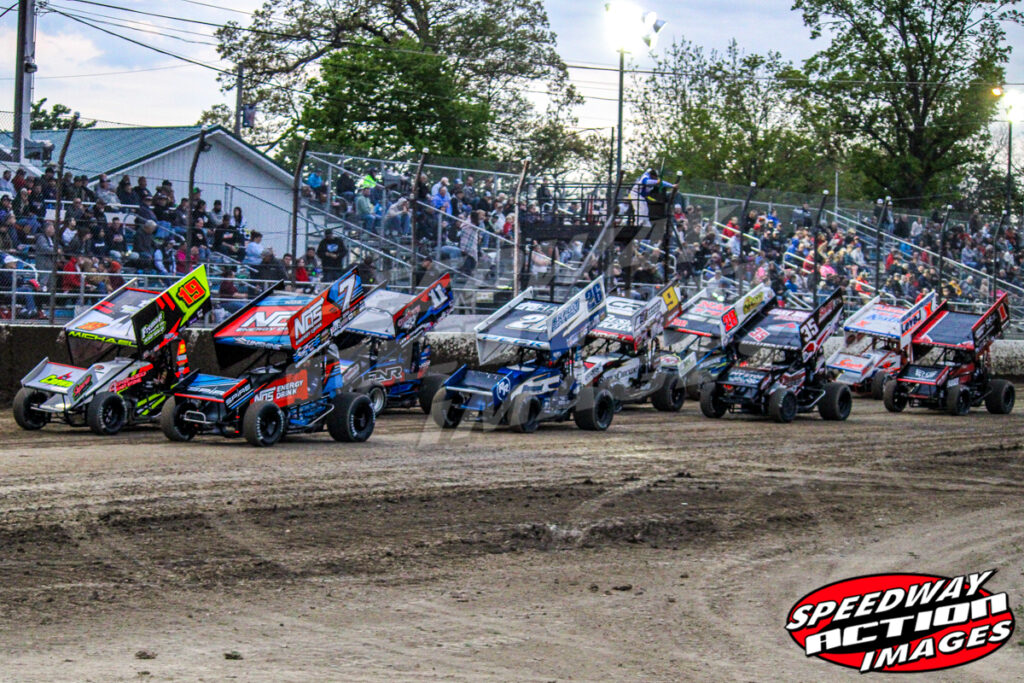
There is an old showbiz adage: Always leave them wanting more. In the context of mid-week racing, leaving them wanting more means sending them to the parking lot at 10:15 PM, buzzing about the feature race, rather than holding them hostage until midnight.
When fans and racers know that a track promoter respects their time, they will happily hand over their hard-earned money on a Wednesday night. They will buy the hotdogs, they will buy the t-shirts, and they will show up to work the next day tired, but smiling and telling their co-workers about the great time they had at the track.
Race Control holds the key to the mid-week hustle. It is time to treat the clock with the same respect as the checkered flag. Keep the cars rolling, keep the yellows short, and for the love of the sport, keep the show moving.
About the Author

Discover more from Speedway Action Magazine
Subscribe to get the latest posts sent to your email.